
The Spring Collections of 2022 were strongly influenced by the idea of lightness. Whether that means lightweight fabrics, brighter colors or liberating cuts.
Accessories are playful, colorful and propose increasingly sustainable, more plant-based materials, from deadstock fabrics to newer industrial waste materials. This season, collections showed a ratio of RTW to accessories of around 75/25. Although there are considerable differences for each brand.

Spring 22 Global Analysis
Global Assortment
RTW Segmentation
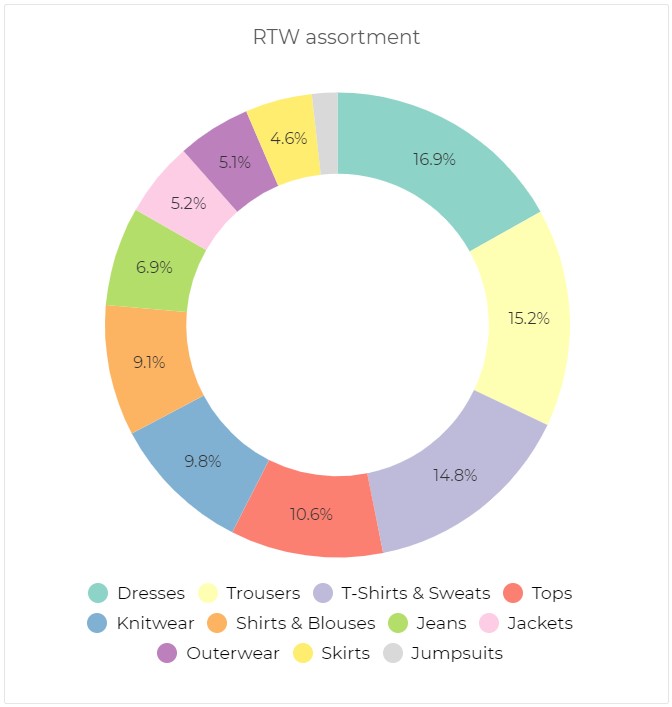
Within RTW, dresses account for 17% of the range. The piece is loosing shares compared to the previous year (-3pts%), but promises to increase towards high summer drops and the season’s occasion ranges that are set to boom in 2022. The dress category is closely followed by trousers (15%) and t-shirts & sweats (15%). Top-wear, including shirts, blouses, t-shirts and sweaters, adds up to a total share of 33,5%.
Trousers gain +2pts% from last year, with joggers loosing shares and flared pants, on the other hand, increasing. Talking about bottoms, skirts gain +1pts% and represent a total of 5% within the global RTW mix. Here, short skirts are clearly leading the way, showing +10pts% increase compared to last year.
T-Shirts have grown by +4pts% compared to SS21 and indicate that comfort and the display of individuality via placed graphics propose a strong component of collection narratives for Spring 22.
Accessories Segmentation
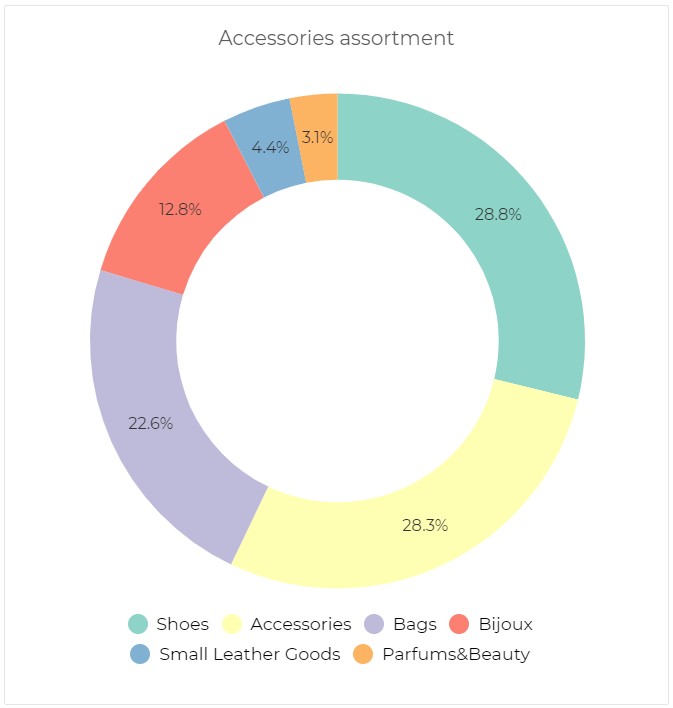
The accessories range of Spring 22 represents average 25% of the global assortment. Bags and Shoes are certainly statutory products, accounting for 52% of the mix, they certainly help to enhance the brand image for many premium players. Small leather goods and soft accessories compose 28% of the range, leaving 20% for accessories, bijoux, perfums and eyewear.
Color Assortment
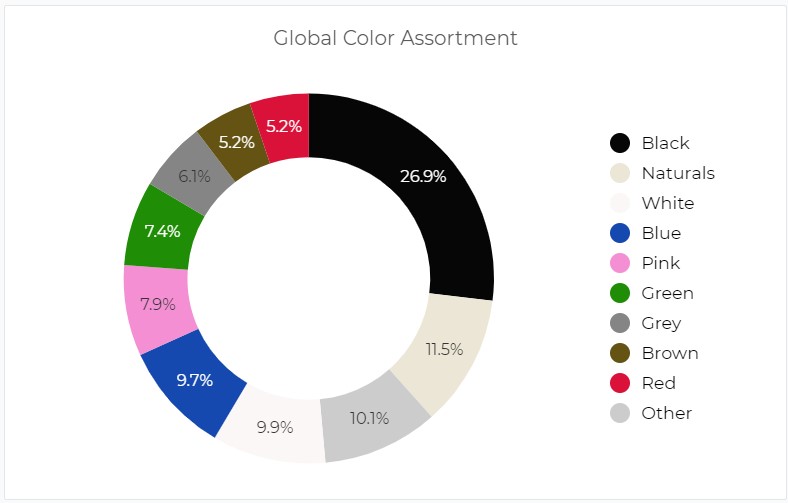
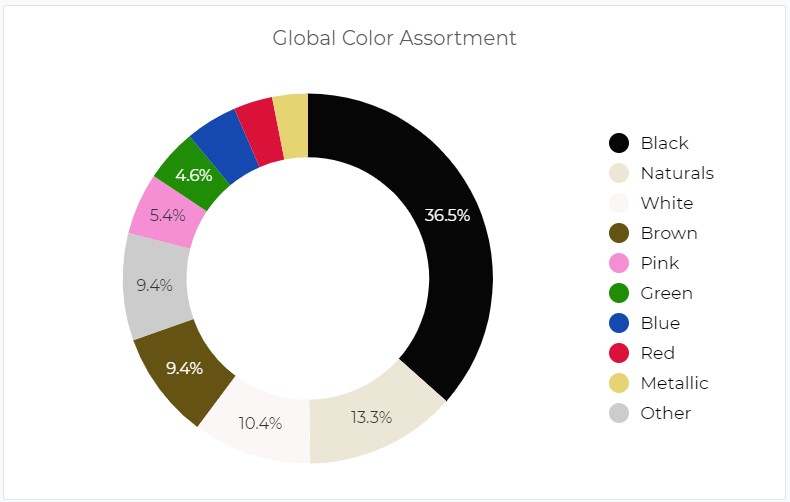
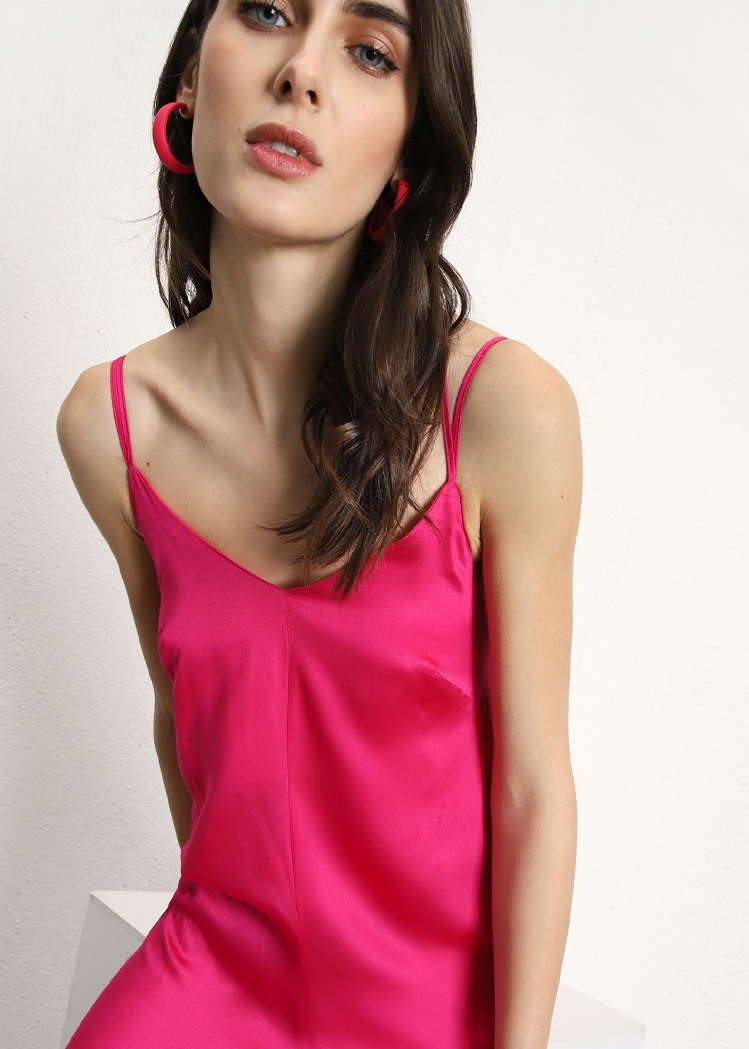
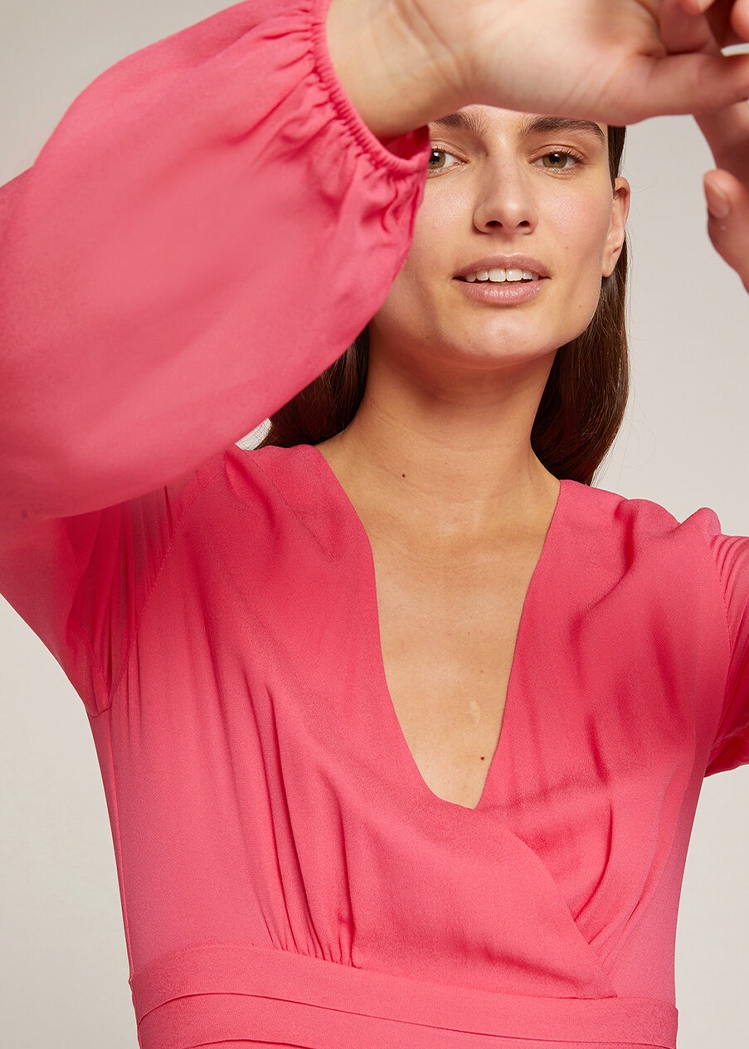
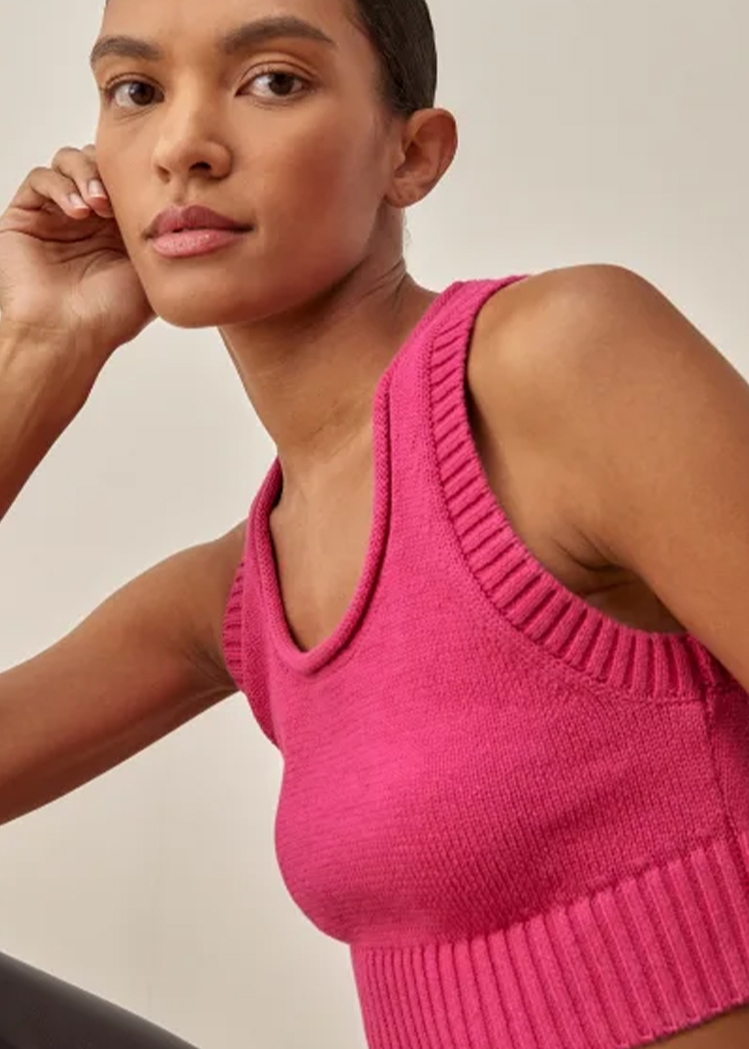
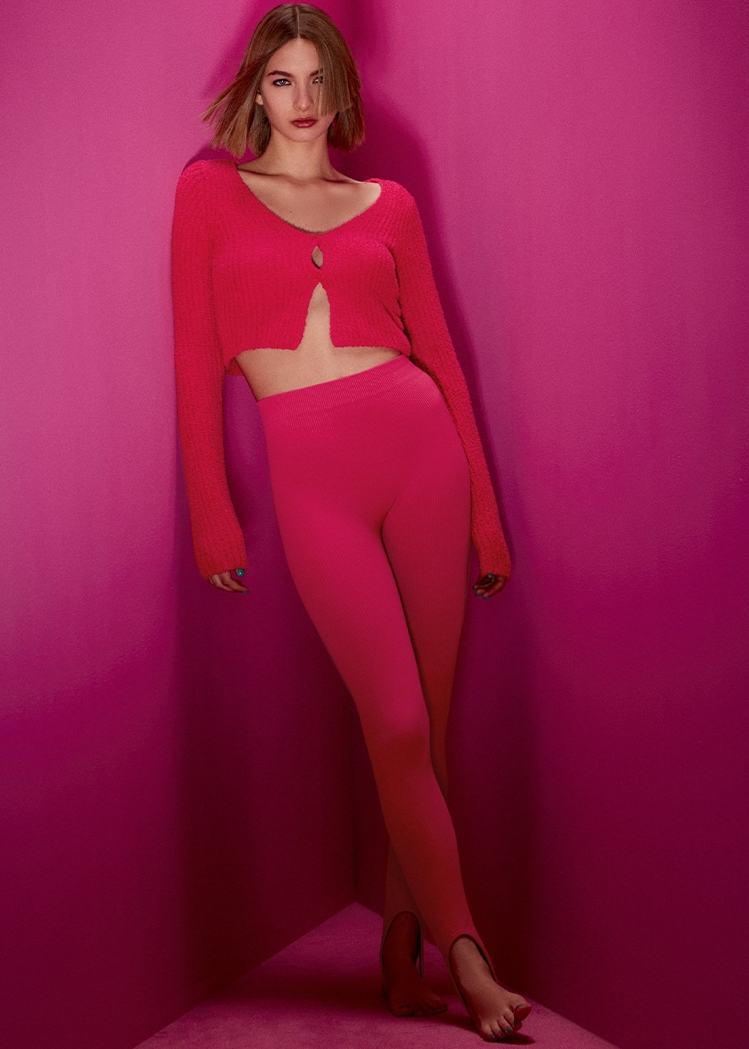
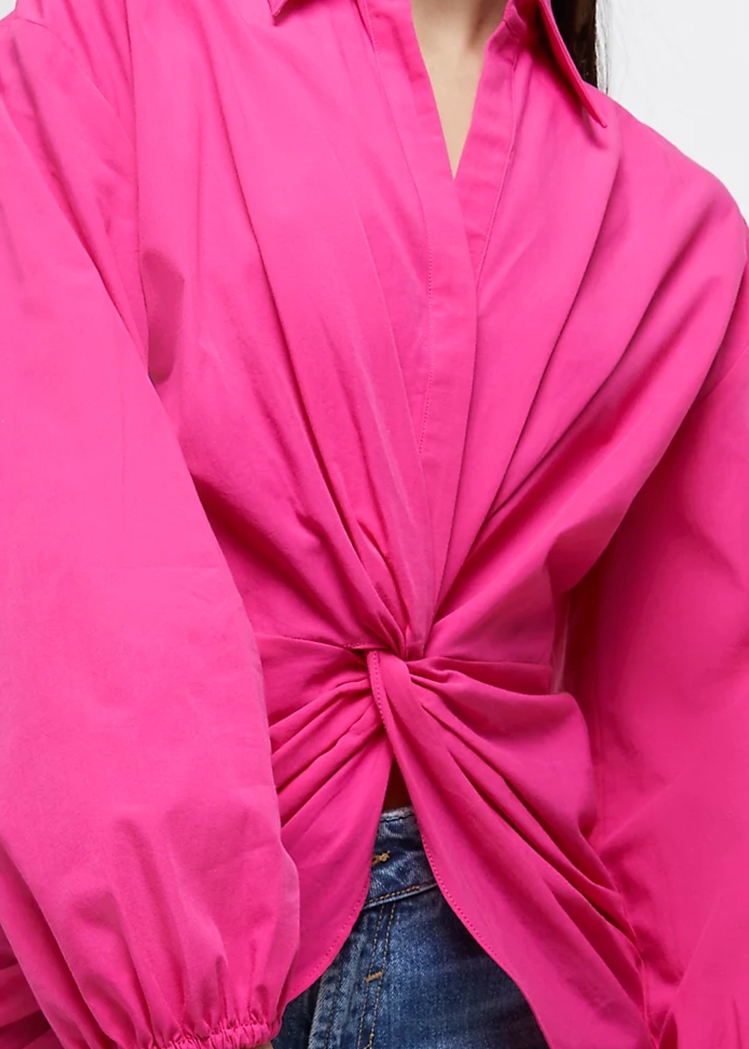
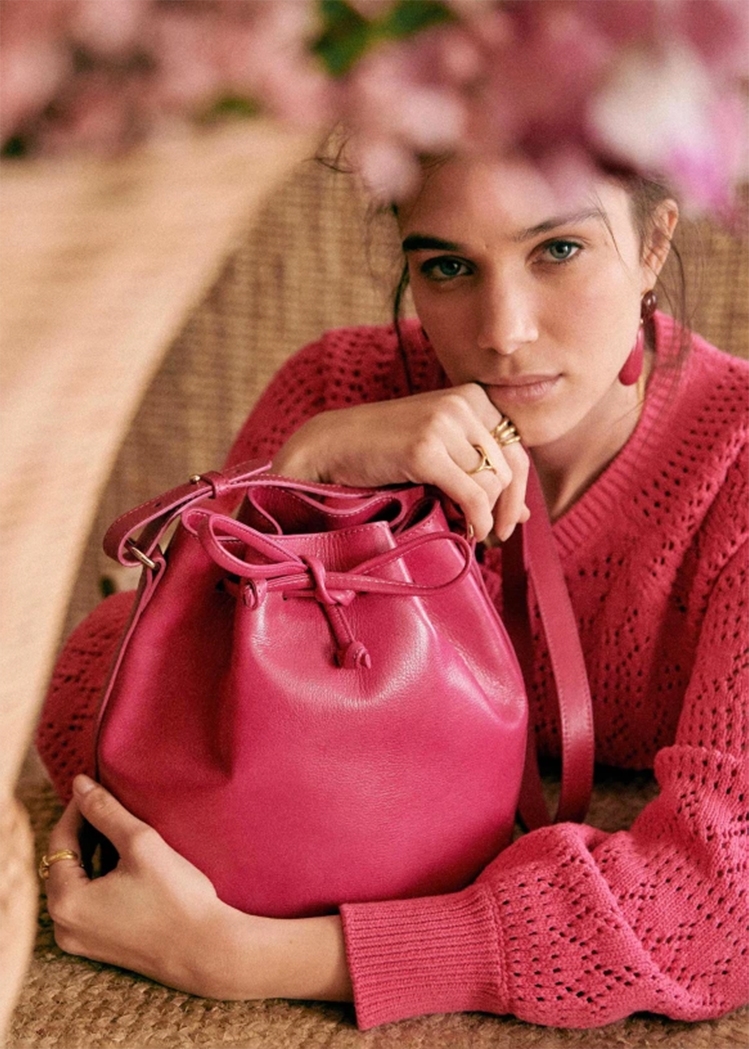
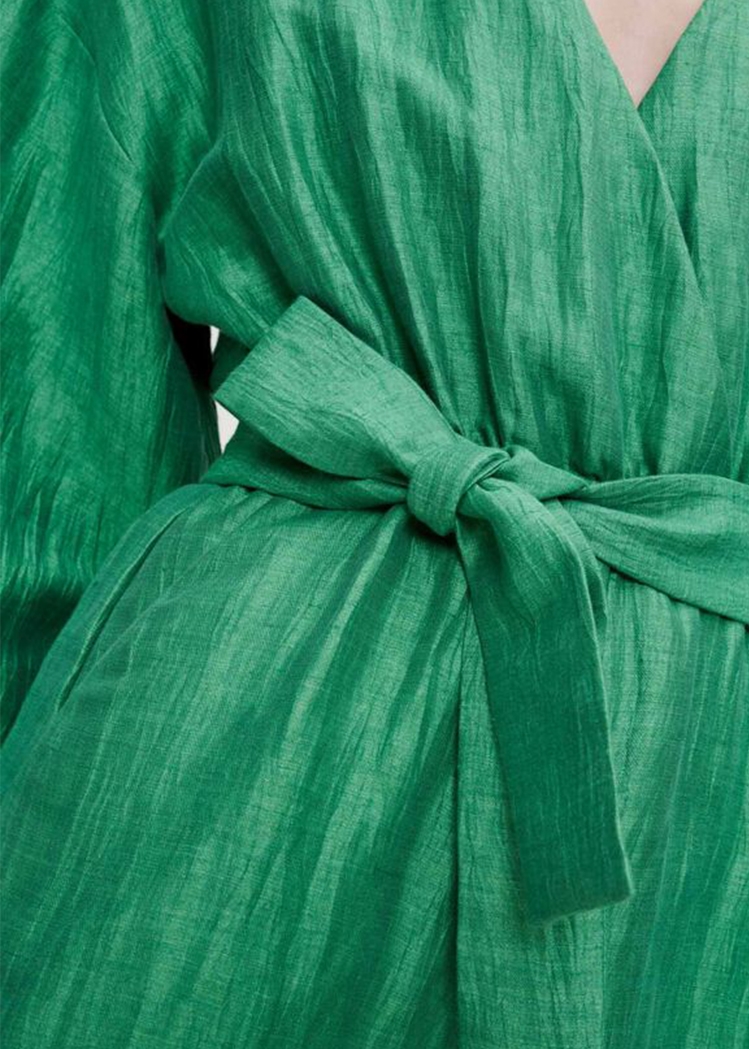
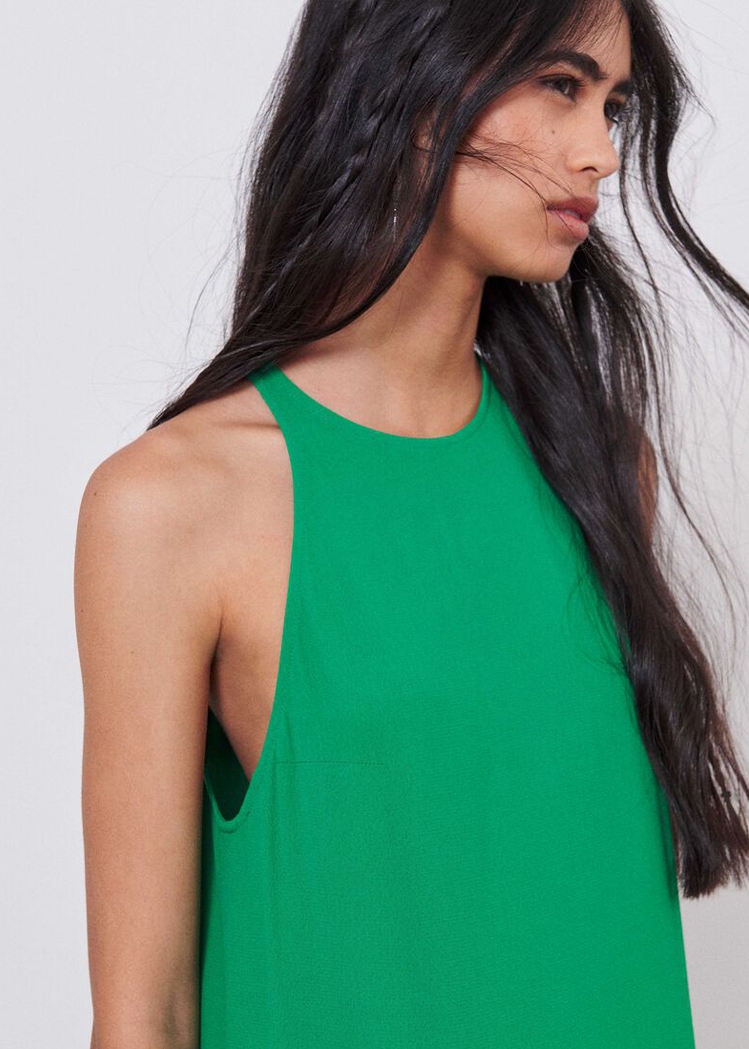
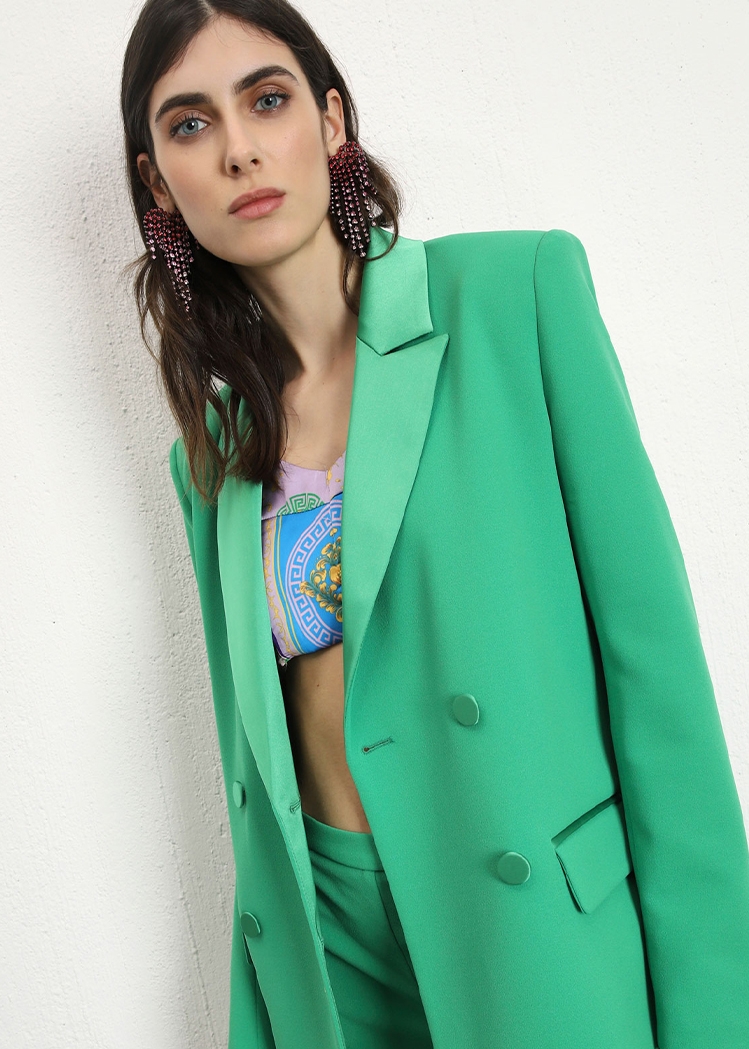
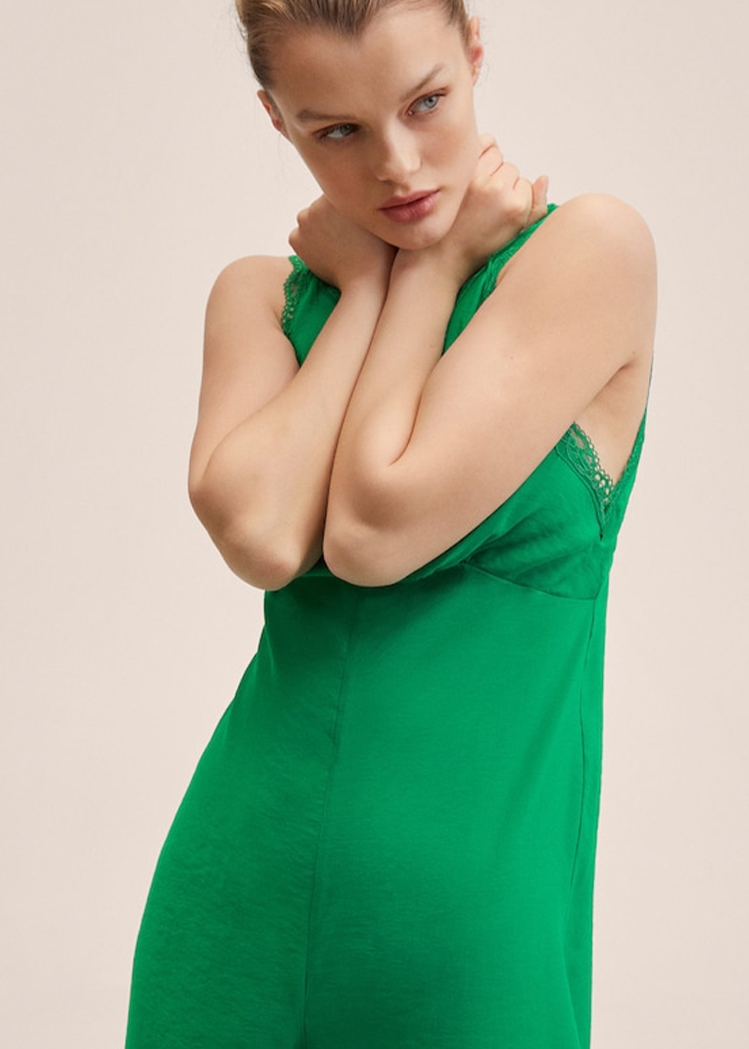
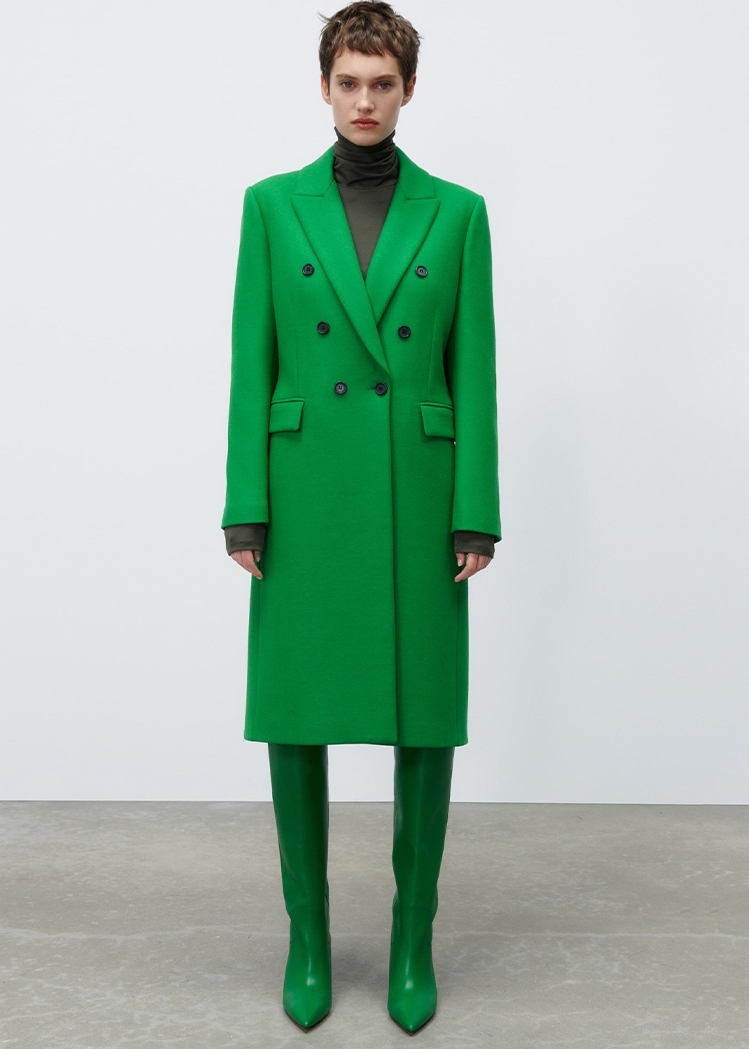
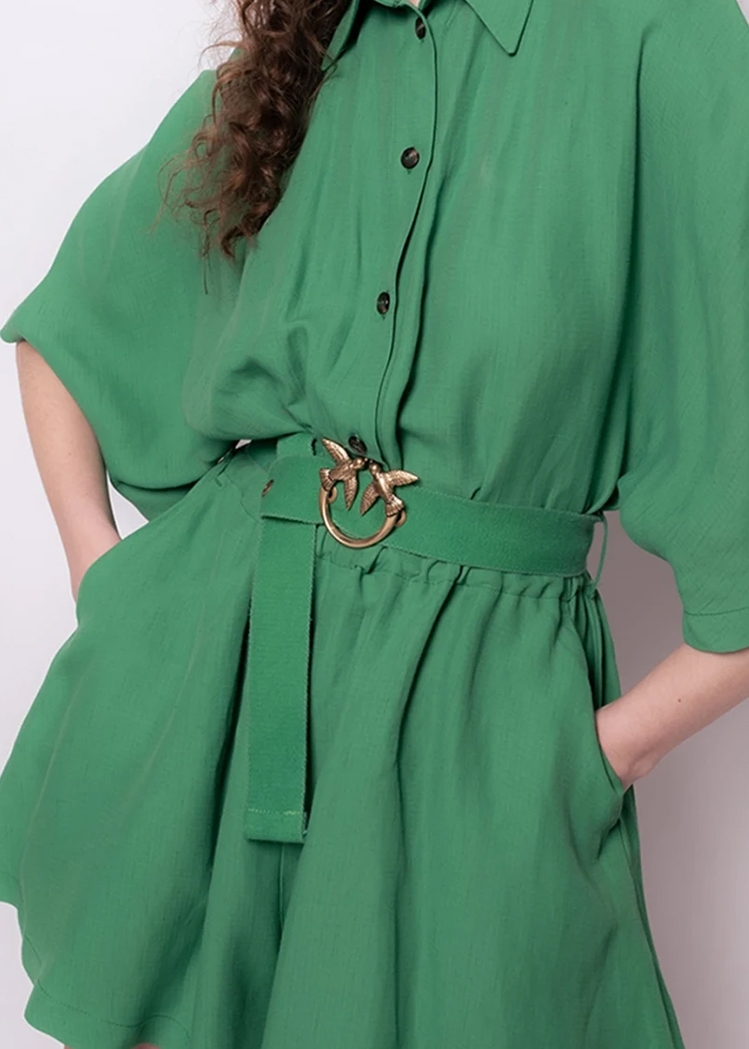
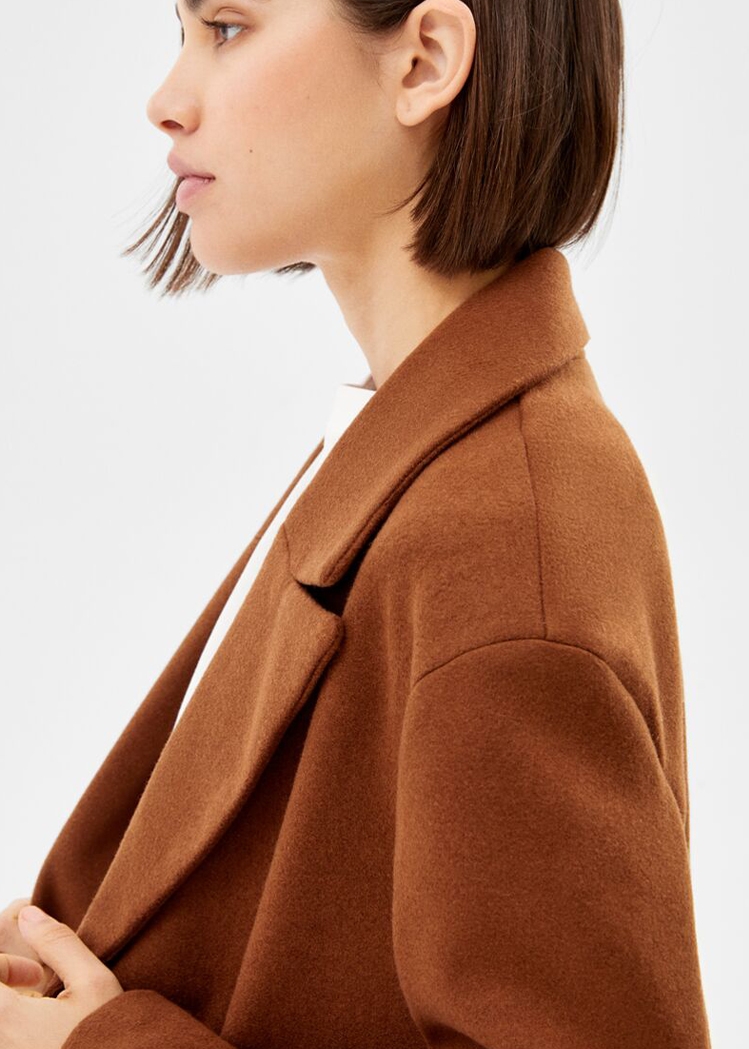
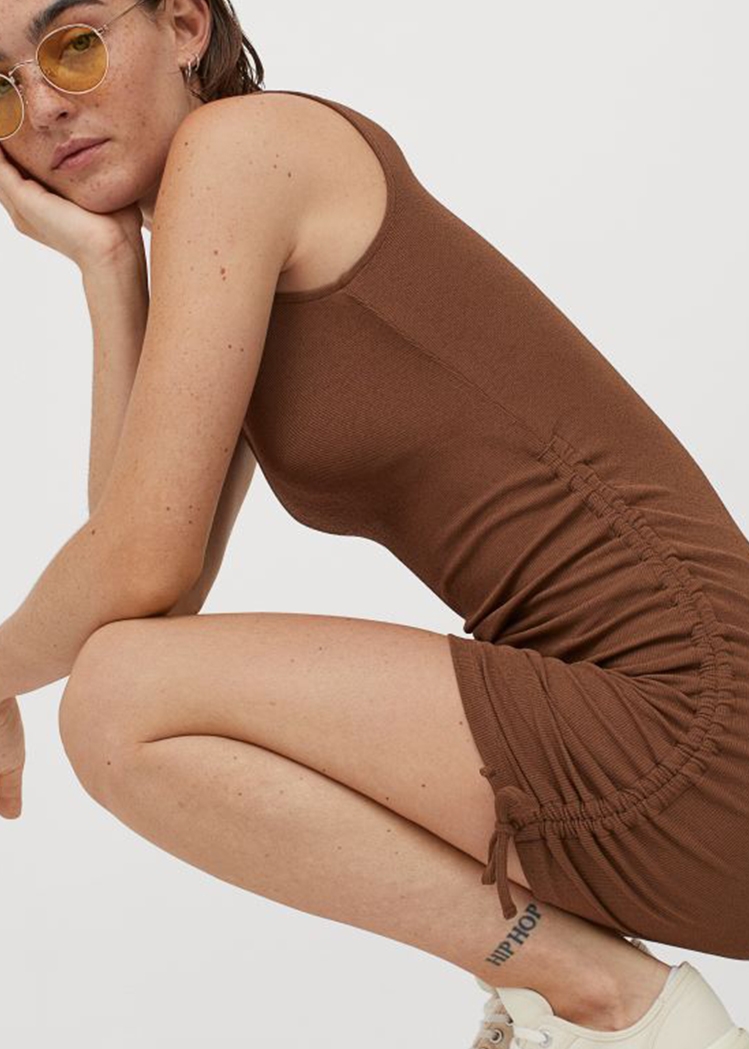
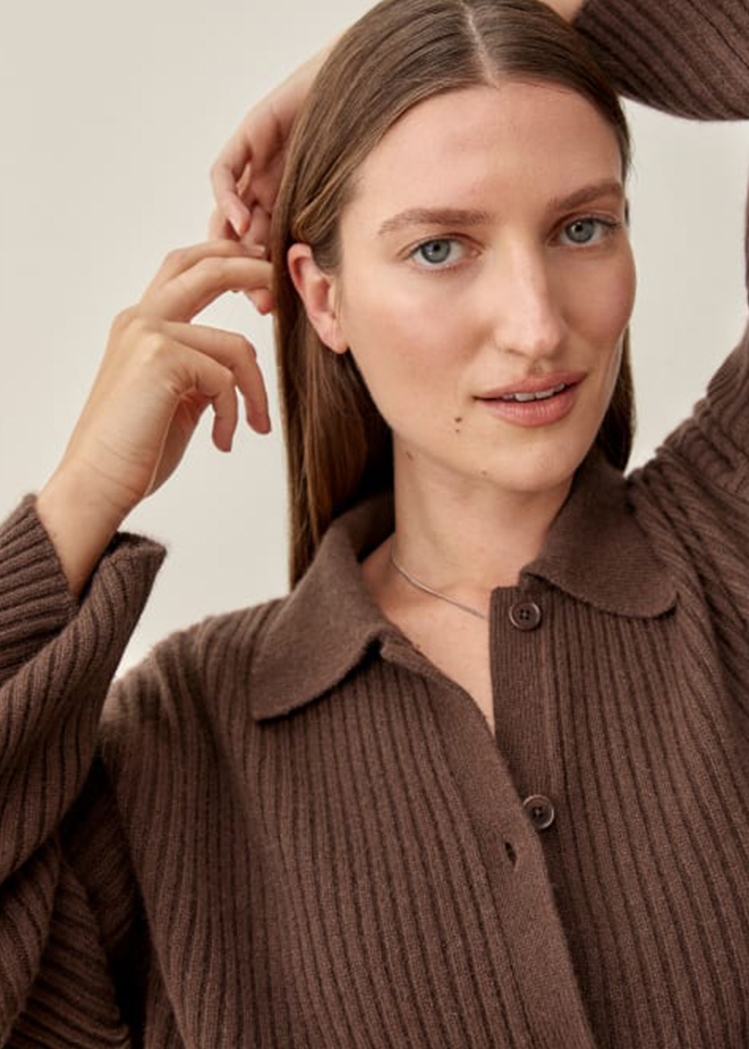
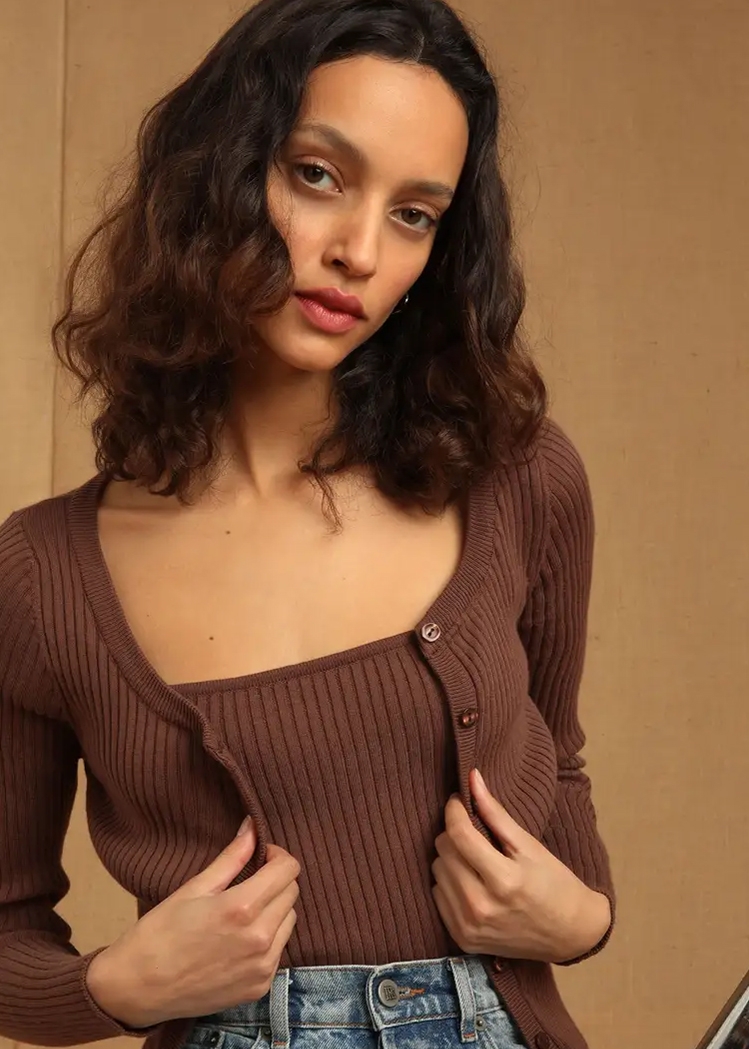
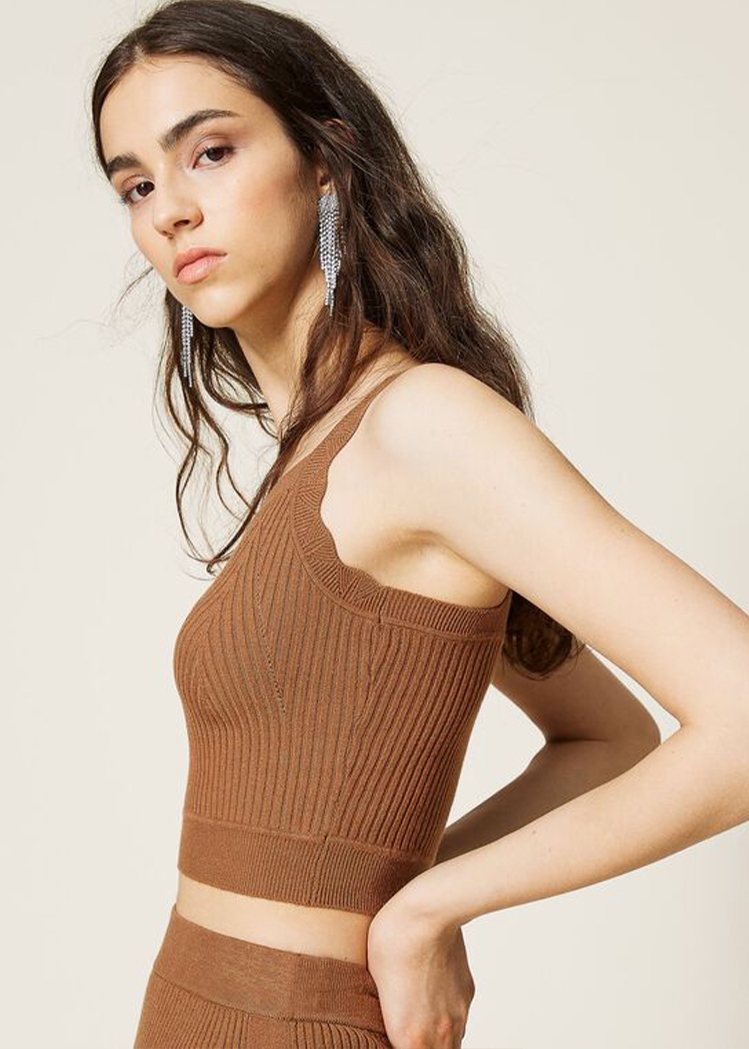
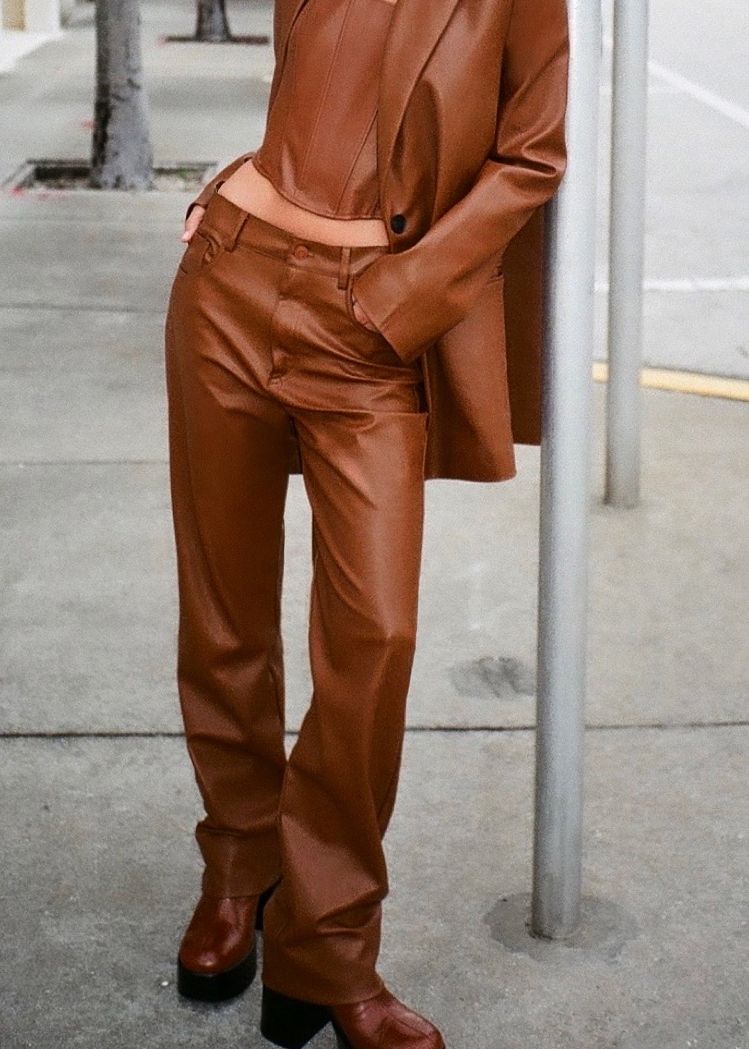
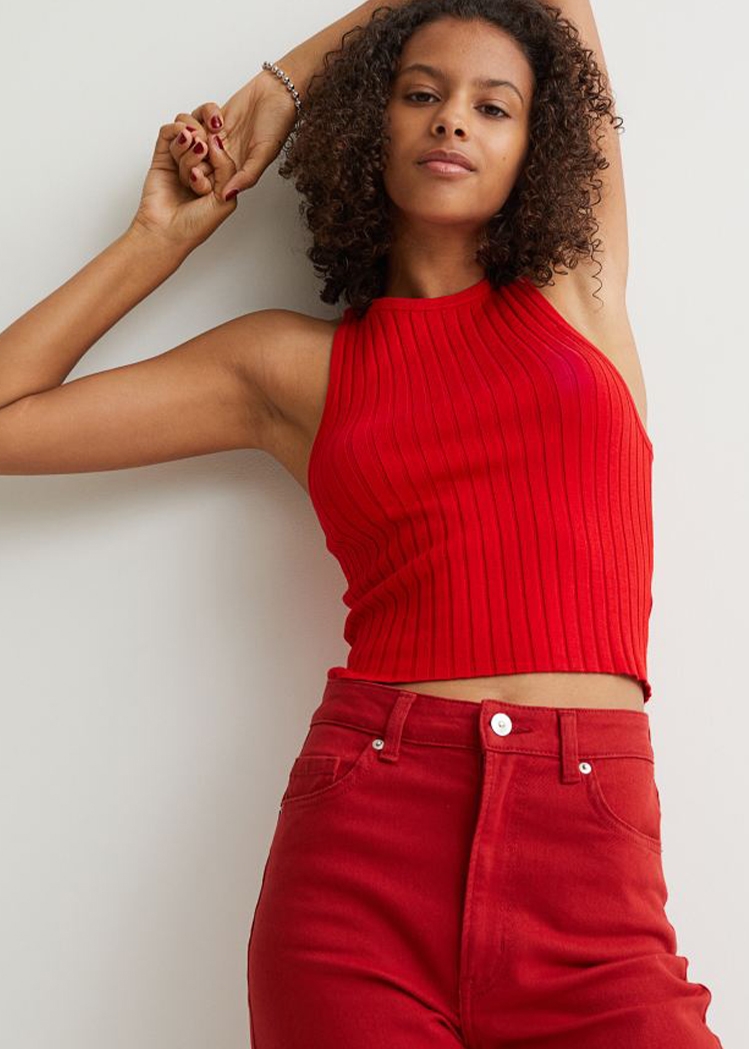
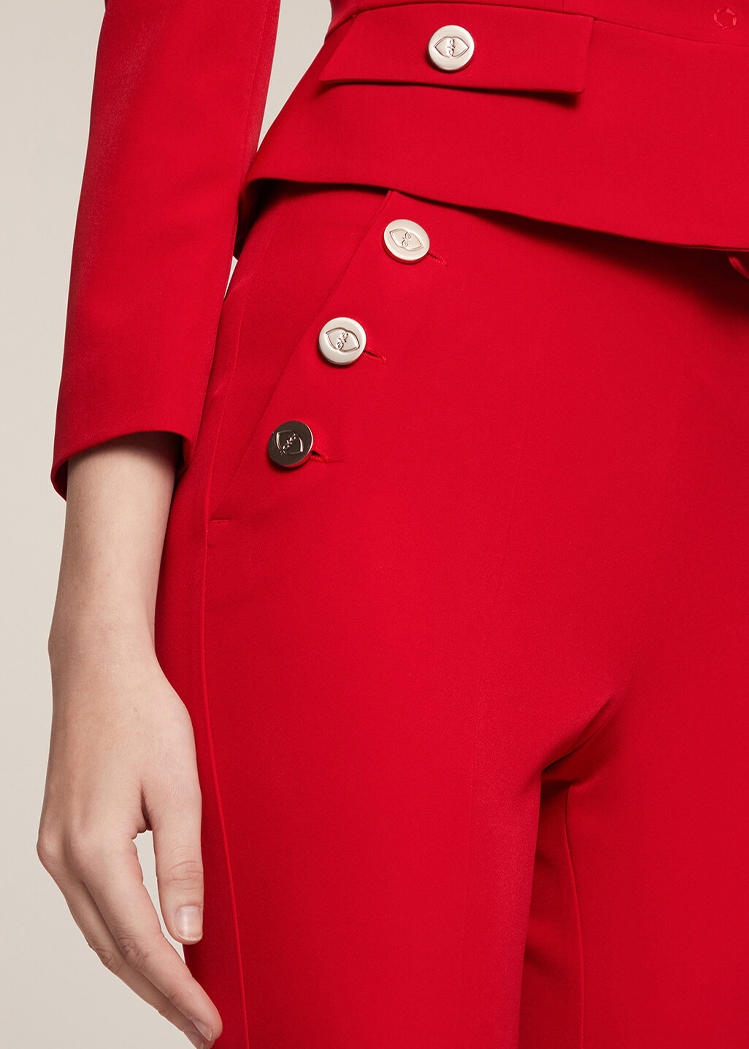
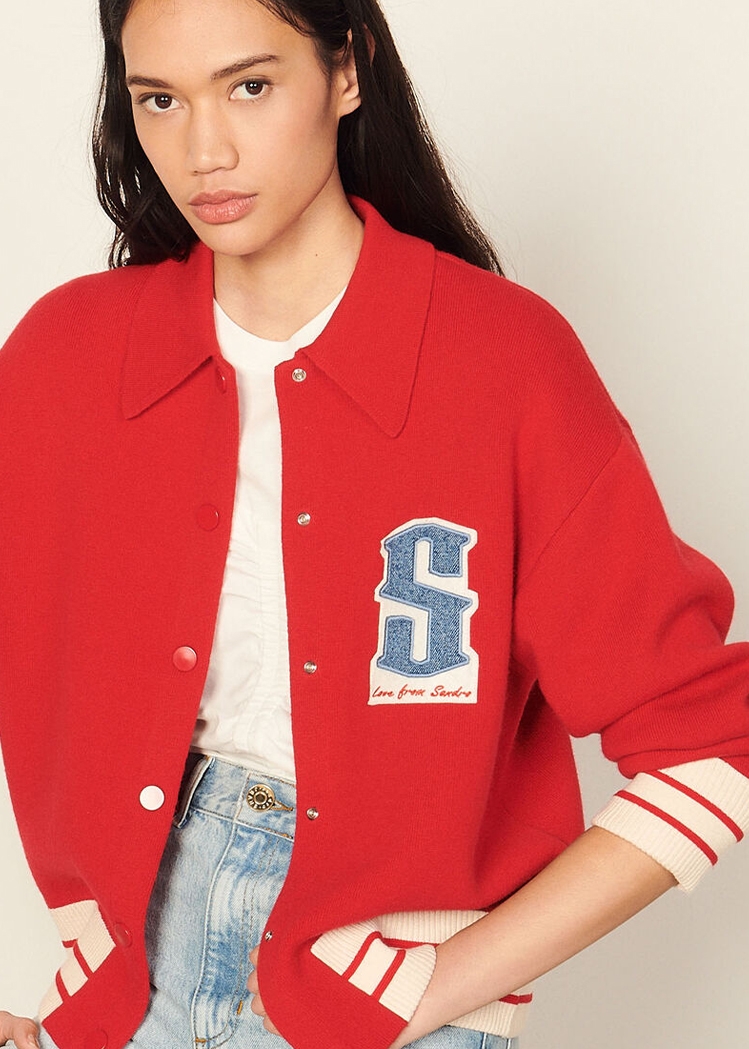
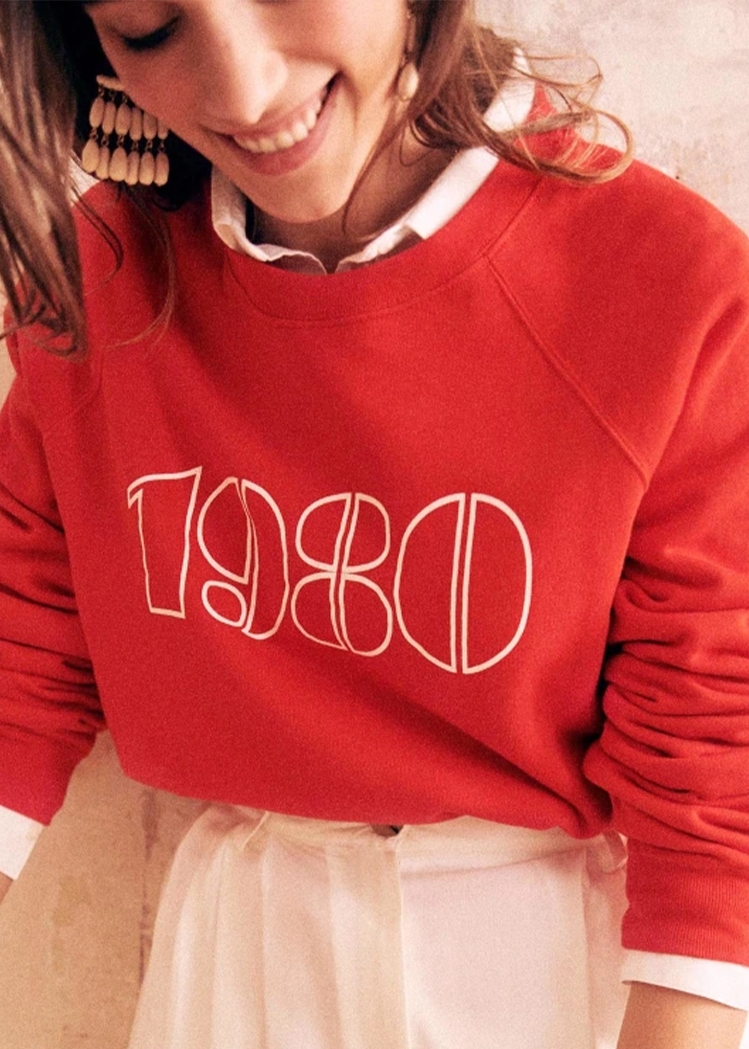
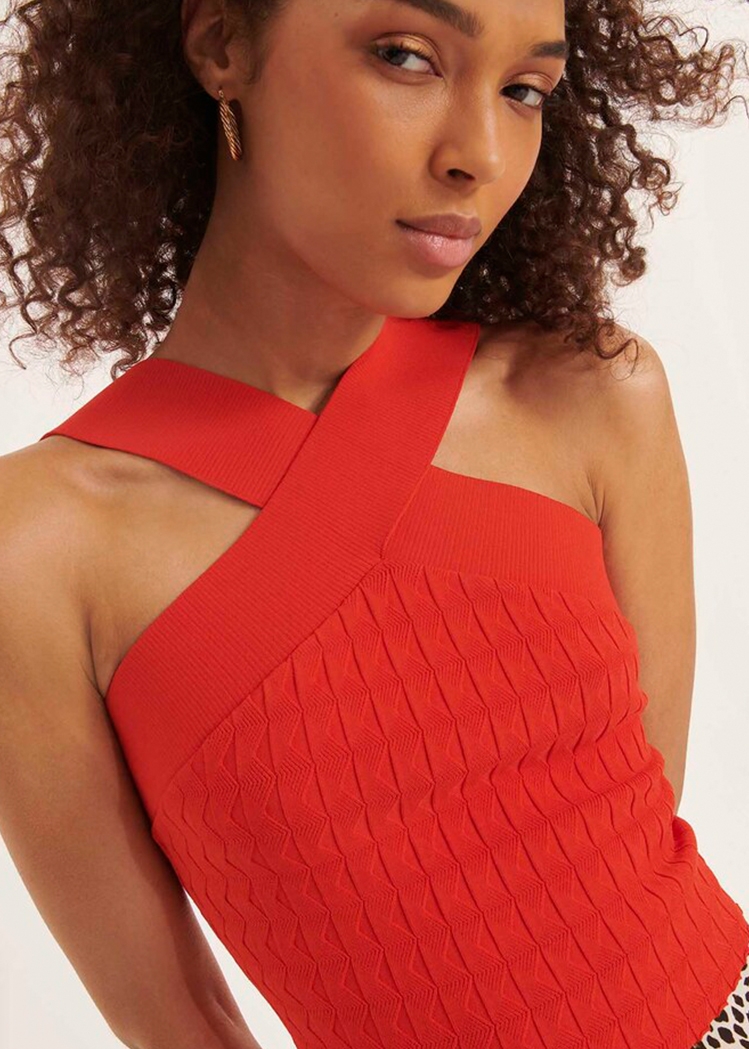
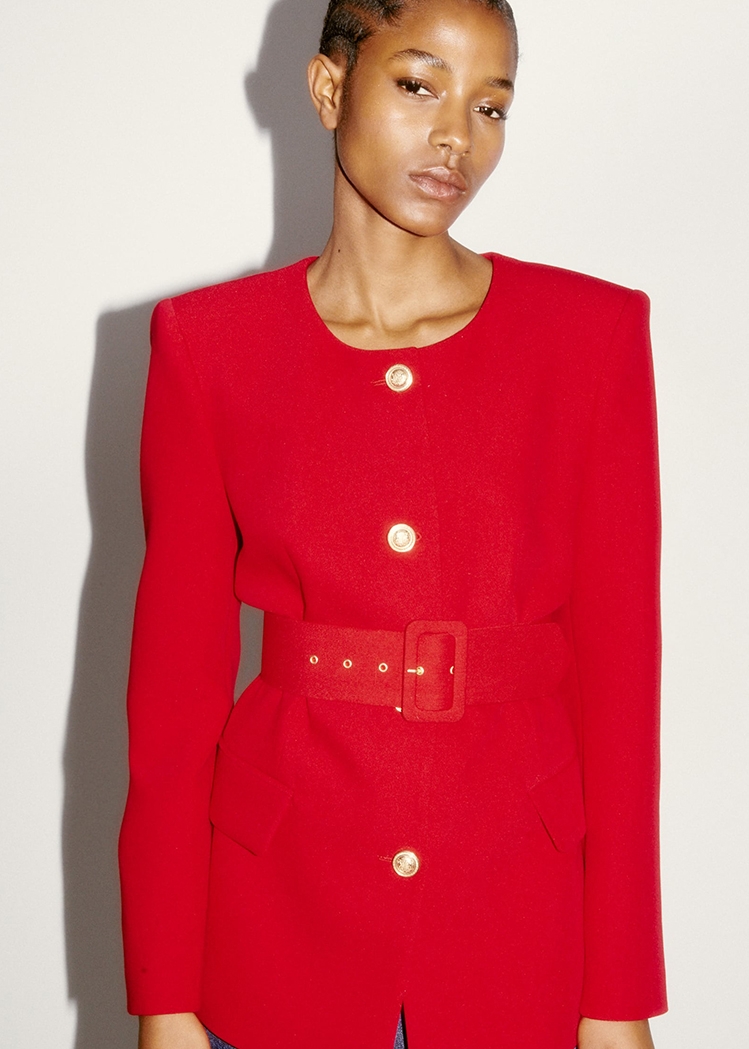
From our quantitative analysis black, as usual, is the leader of the colour chart, be it clothing or accessories. However, black shows a clear decline compared to the past seasons, losing -2pts% compared to SS21 for ready-to-wear and -3pts% for accessories. This decline proves that bolder colors are appealing to a customer looking for optimism and fun. Considering the global palette, pink tones take over from green, which remains on second range. More precisely, bright pink is the color of the season. For accessories, light colors including naturals and white have increased more than +3pts% and brown is back for iconic, long-lasting products, increasing +1pts% compared to the same period last year. Here too, pink takes over from red, followed by green, which has invaded Instagram thanks to the success of Bottega Veneta.
Rtw Global Color Range
Bags & Shoes Color Range
Pretty in Pink
Gorgeous Greens
Brownery
Lucious Red
Spring Fibers
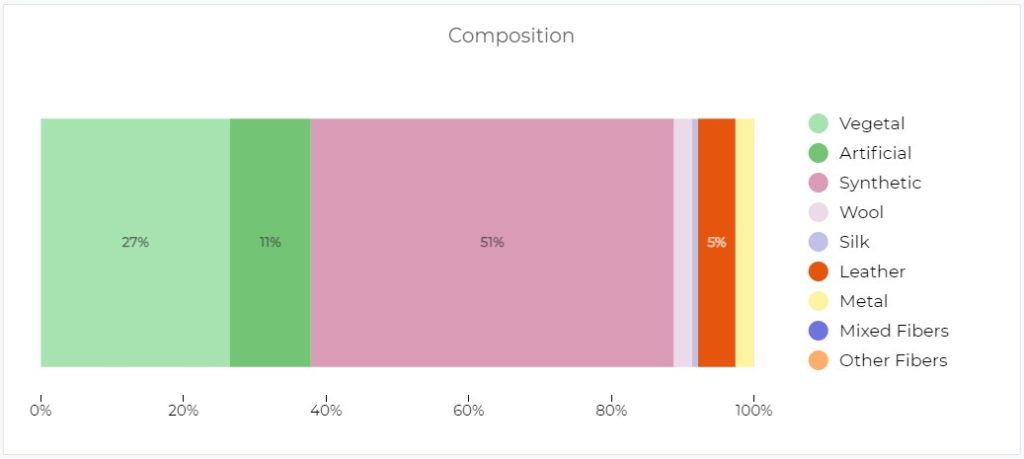
For vegetal fibers, fashion’s overreliance on cotton has led to steep price increases as well as environmental and political impacts. Retailers are relinquishing their reliance on cotton as prices inflate, reflecting the growing demand for other plant-based materials and energy-efficient fibers like hemp, bamboo, flax and jute.
The water and energy use associated with conventional cotton has simultaneously led to more conscious alternatives this season. Products described as having organic cotton components have seen a +17% growth YoY, mainly for T-Shirts. Recycled cotton is not yet as widely adopted but has seen an even more significant increase of +125% YoY. For denim manufacturing, water-saving techniques have seen a considerable investment, with related styles growing +32% YoY.
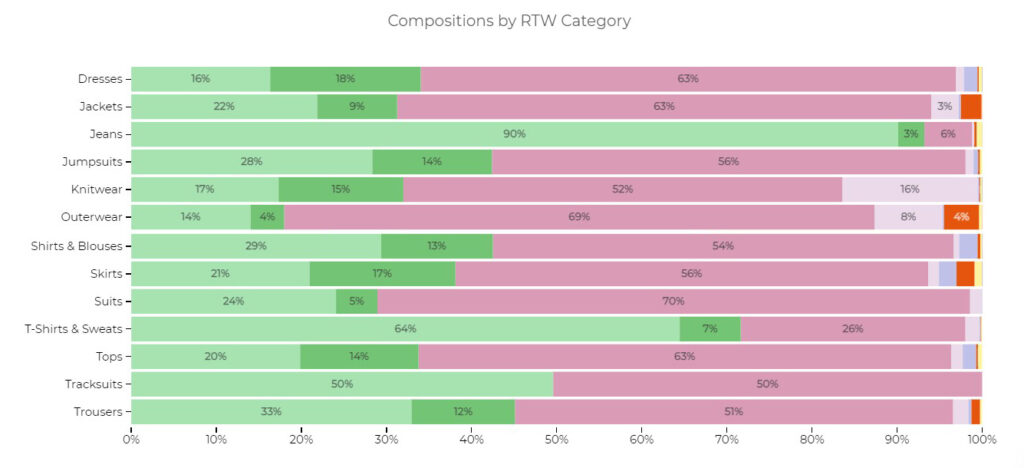
Fashion’s most popular and problematic fabric, polyester, accounts for 51% of the global fiber range. Of polyester products, 11% are described as recycled, growing +5% to a year ago. Despite the levels of overproduction and textile waste, most recycled polyester in the market come from polyethylene terephthalate (PET) bottles and not recycled garments. These can not be recycled at scale and still cause micro-plastic shedding, damaging waterways and marine life.
The market for synthetic leather is expected to reach $42.74mn by 2028 and provides a more affordable alternative to animal leather. With micro-plastic issues and big investment in recycled polyester, consider incorporating this material in products that do not need to be washed, such as handbags or footwear. Innovations in mushroom, apple, grape and cactus materials have dominated headlines across the industry. However, the bulk of vegan products in the market contain synthetics, indicating there is still work to be done in scaling zero-plastic sustainable leather.
Top Fabrics
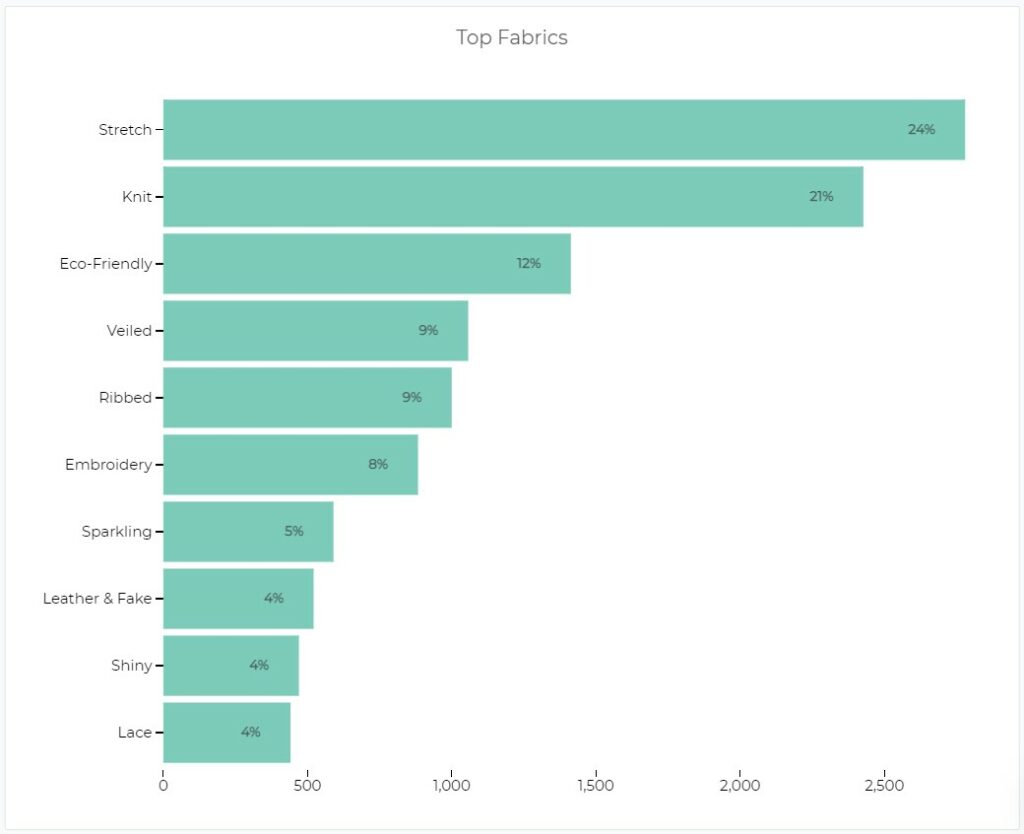
Comfort is still leading the way, as the top fabrics of spring 22 are showing: stretch materials and knitwear come in at first and second position. Similarly wellness and balance-oriented, eco-materials maintain a strong presence for summer, as explained in the composition section above.
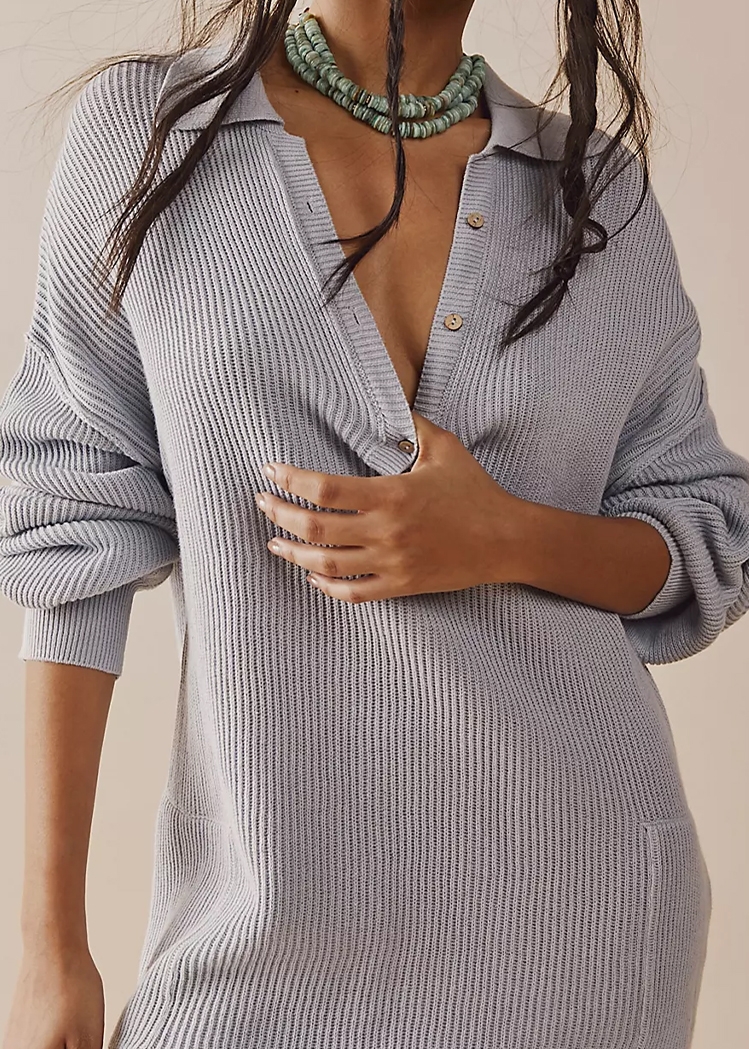
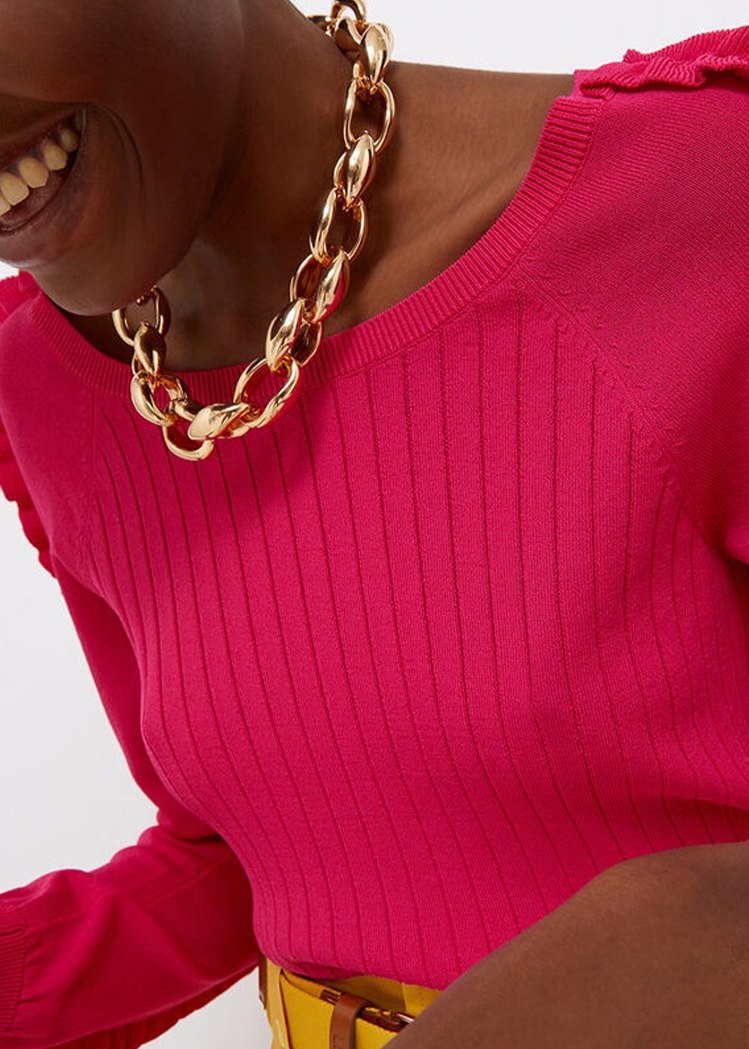
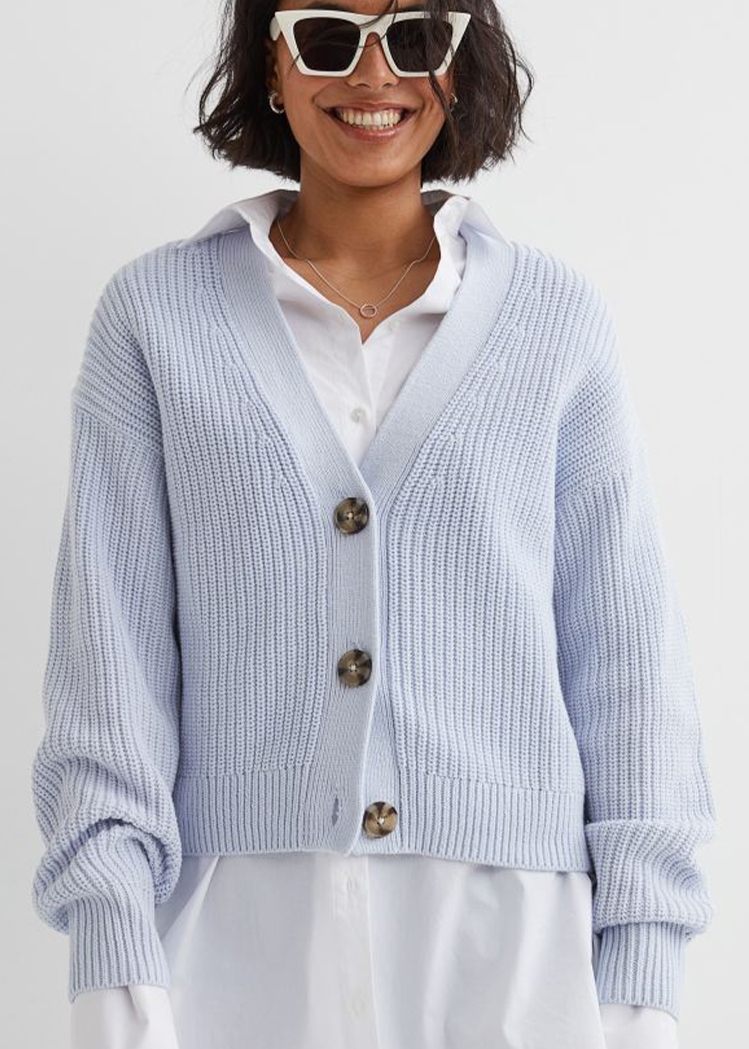
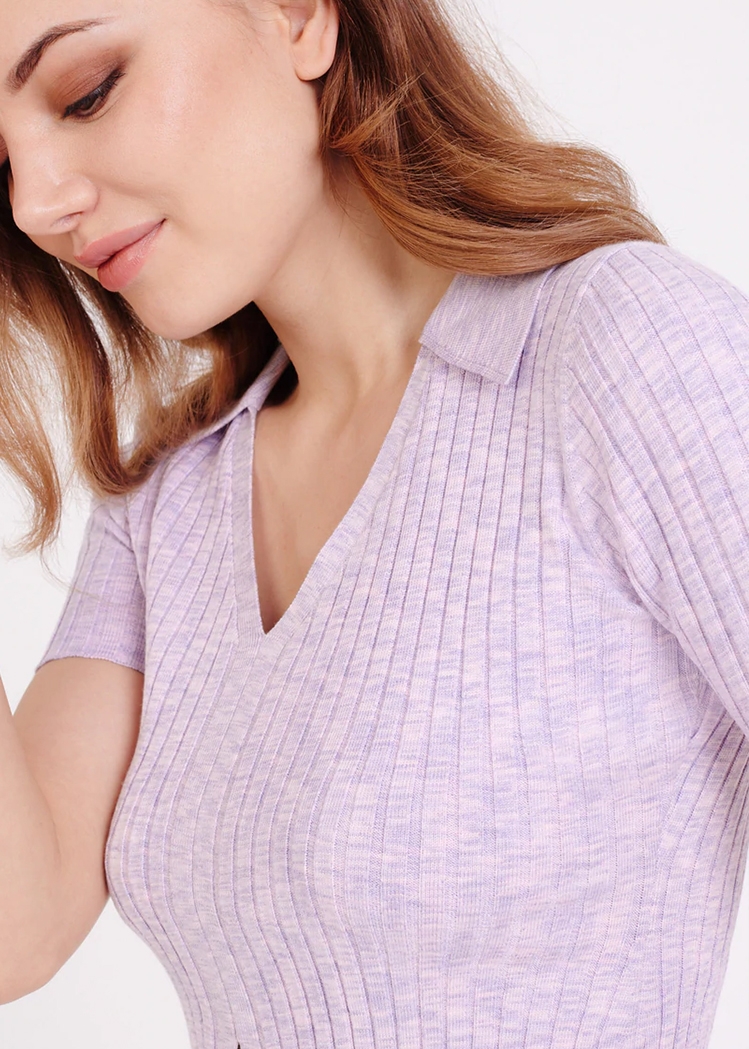
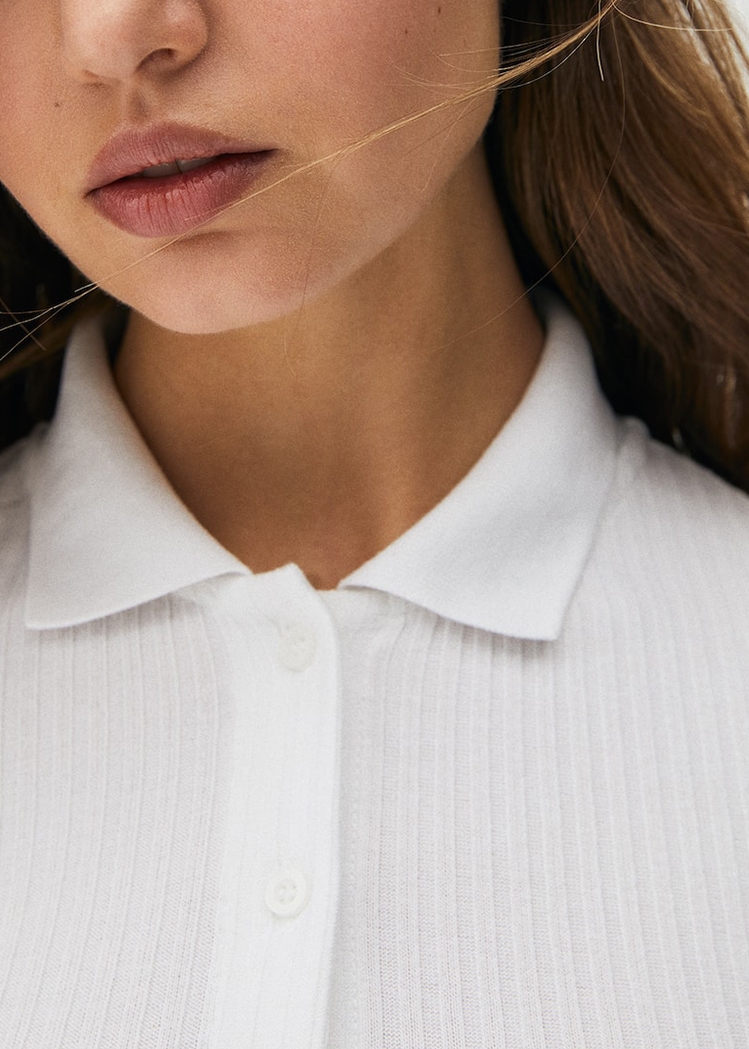
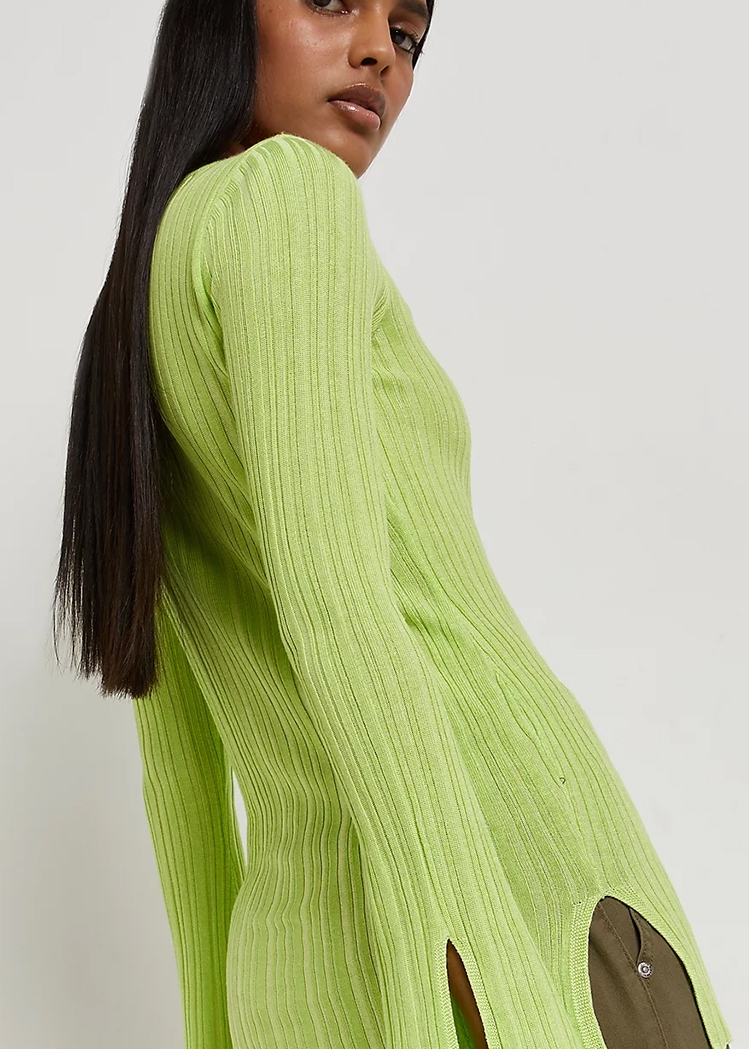
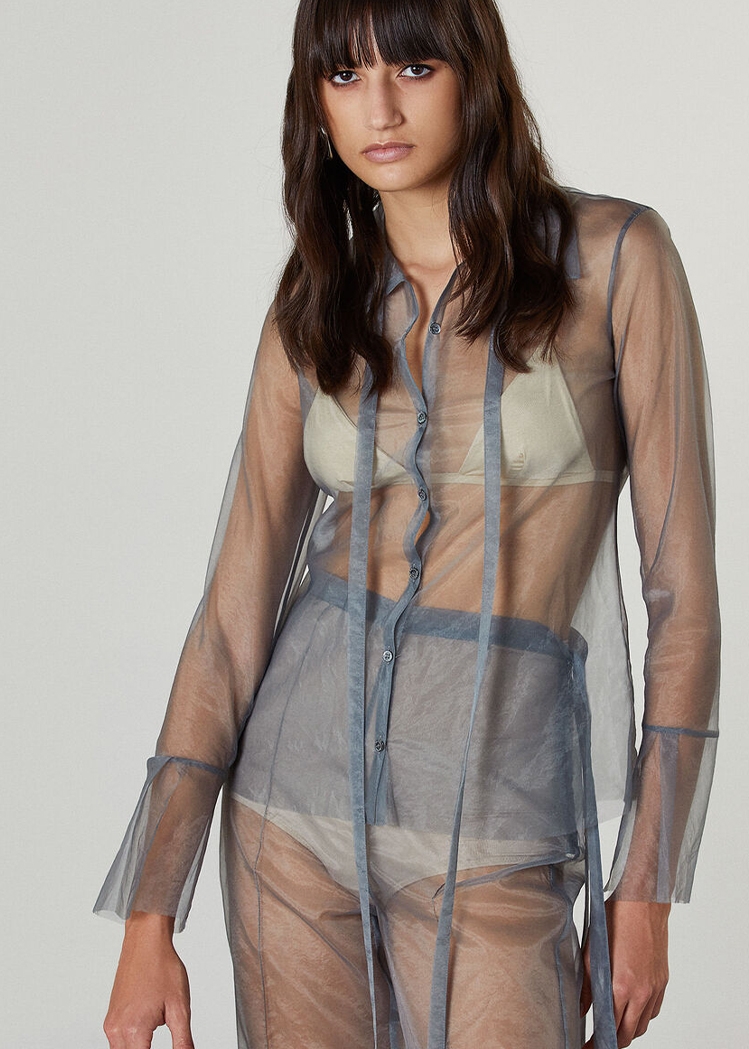
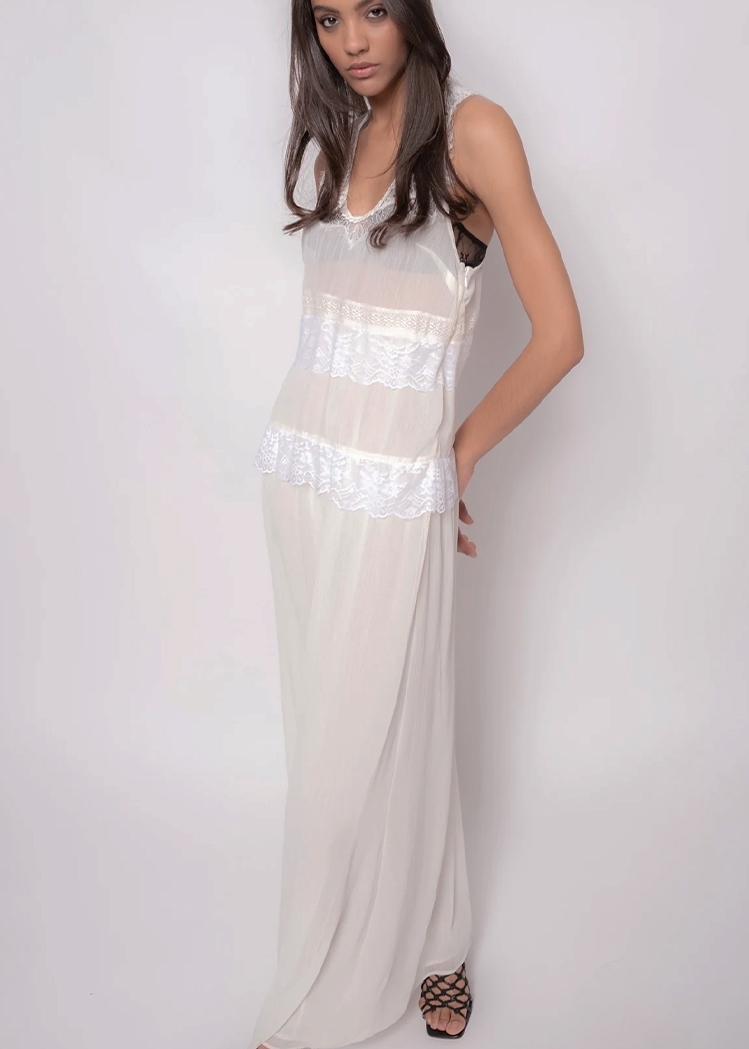
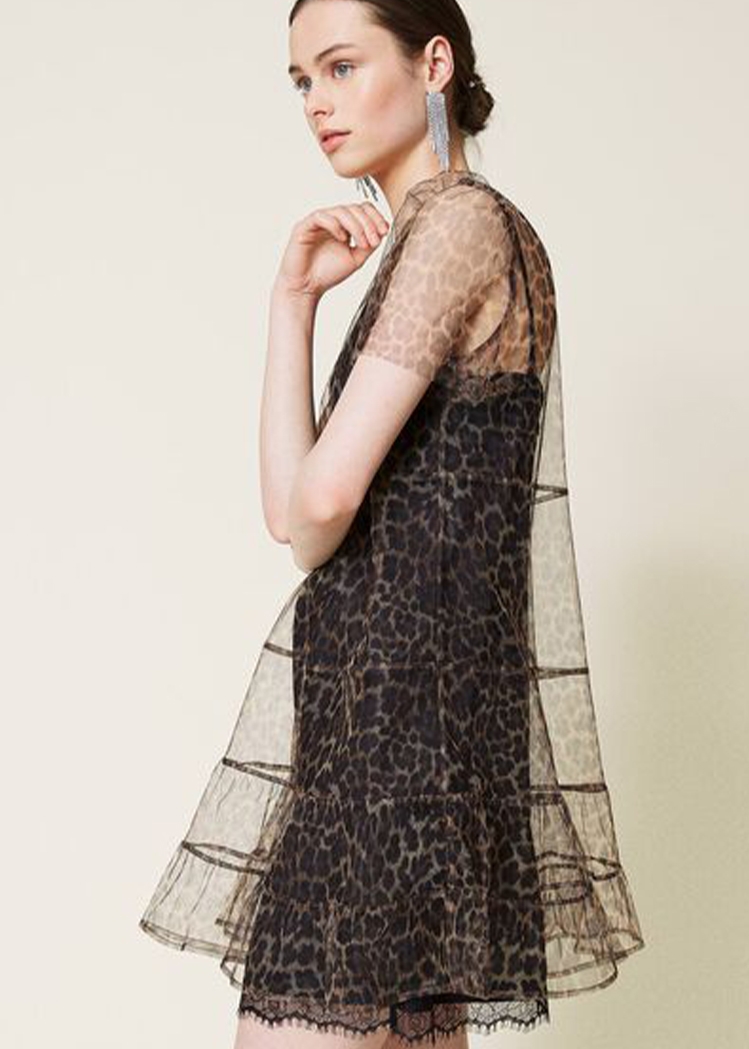
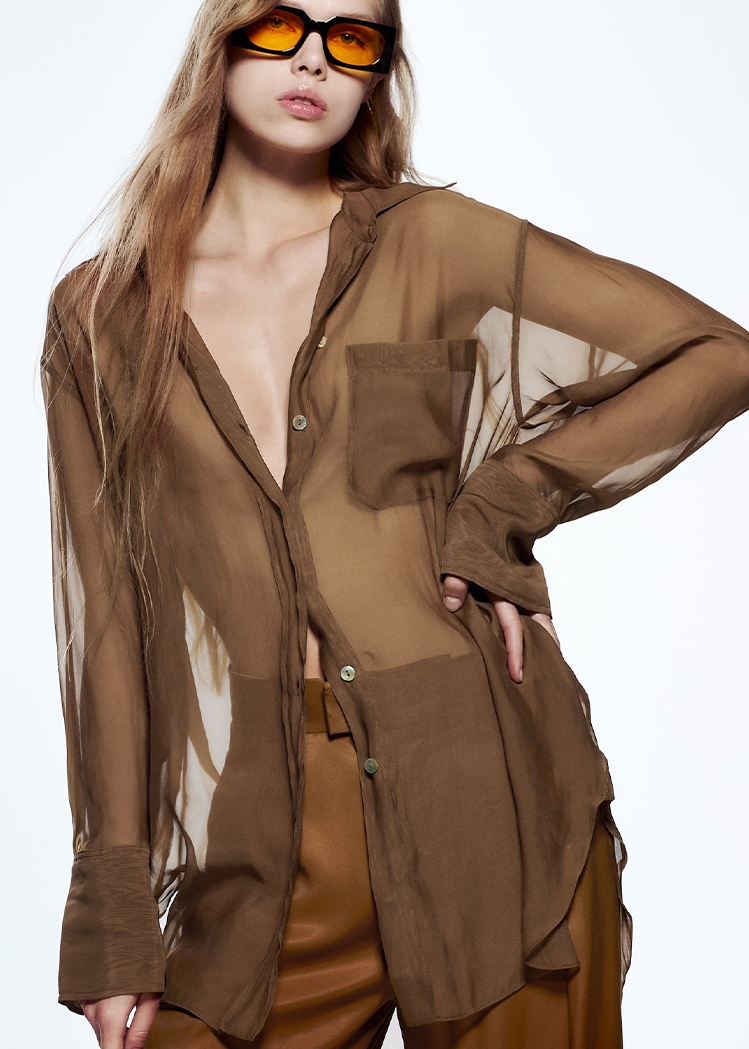
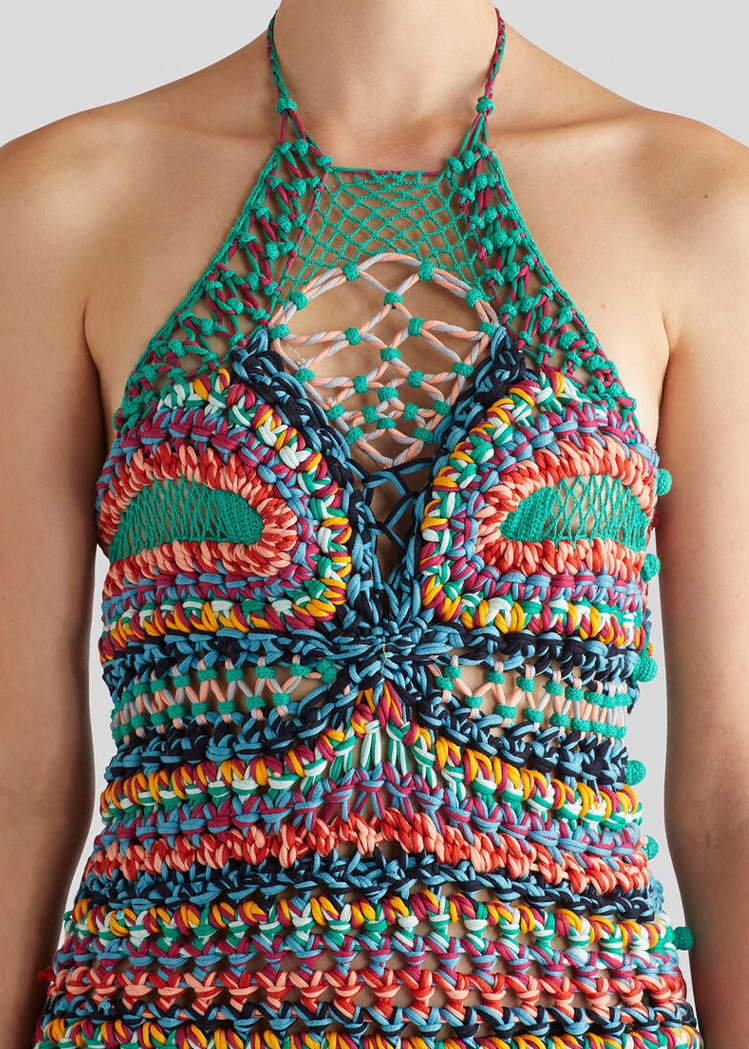
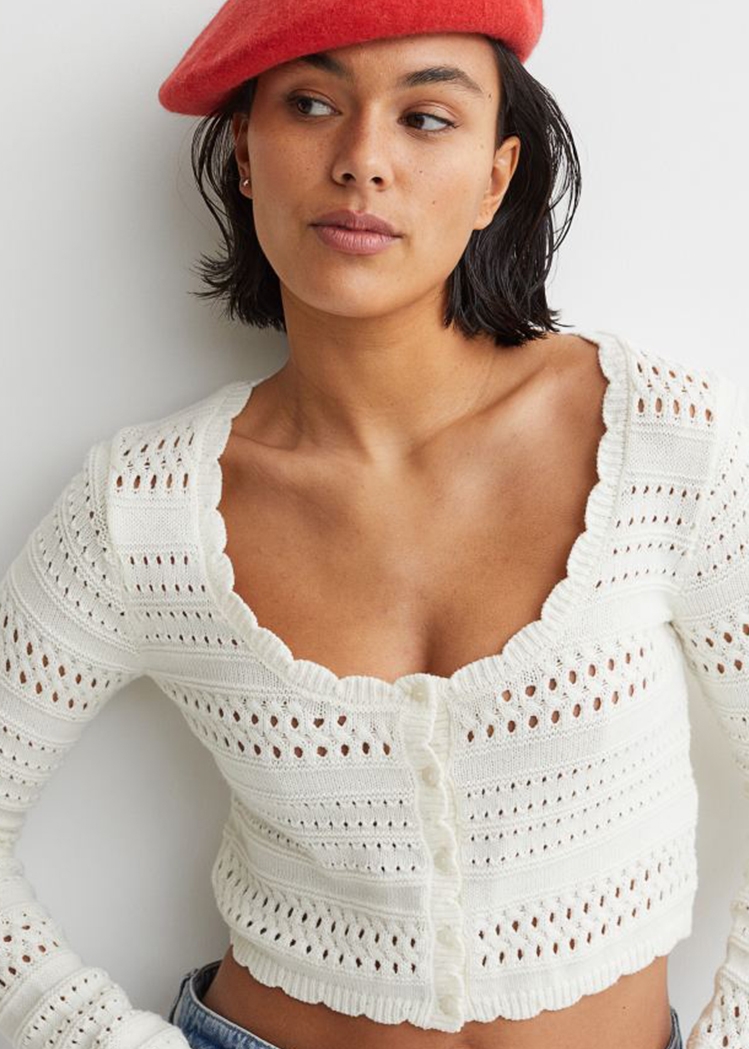
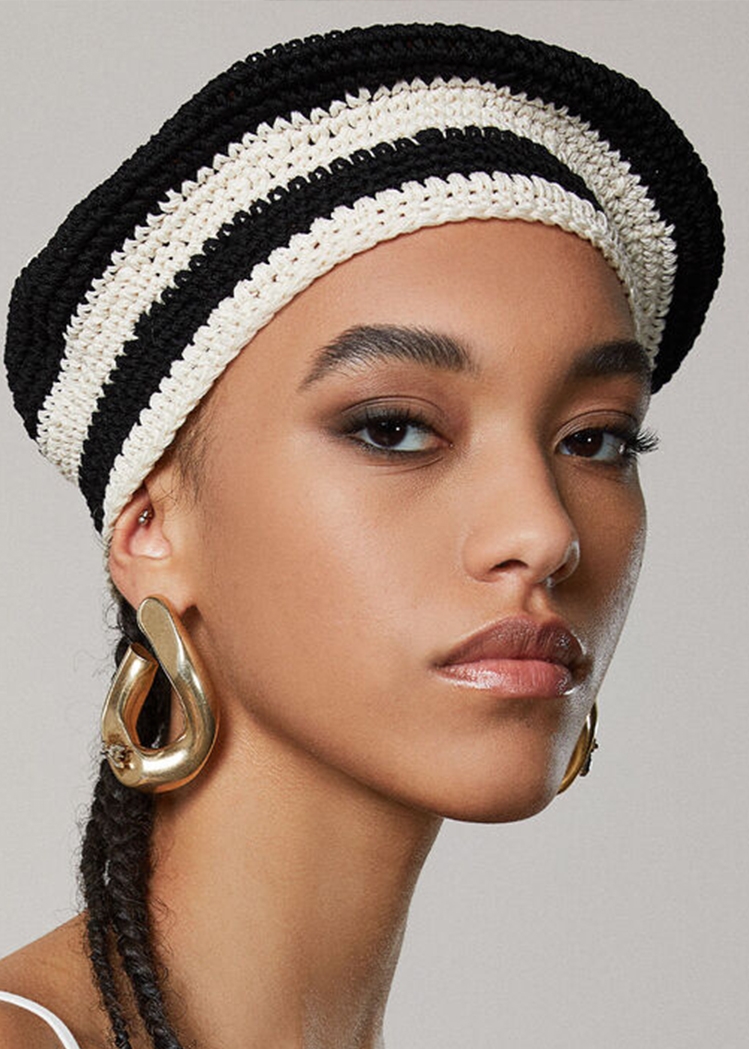
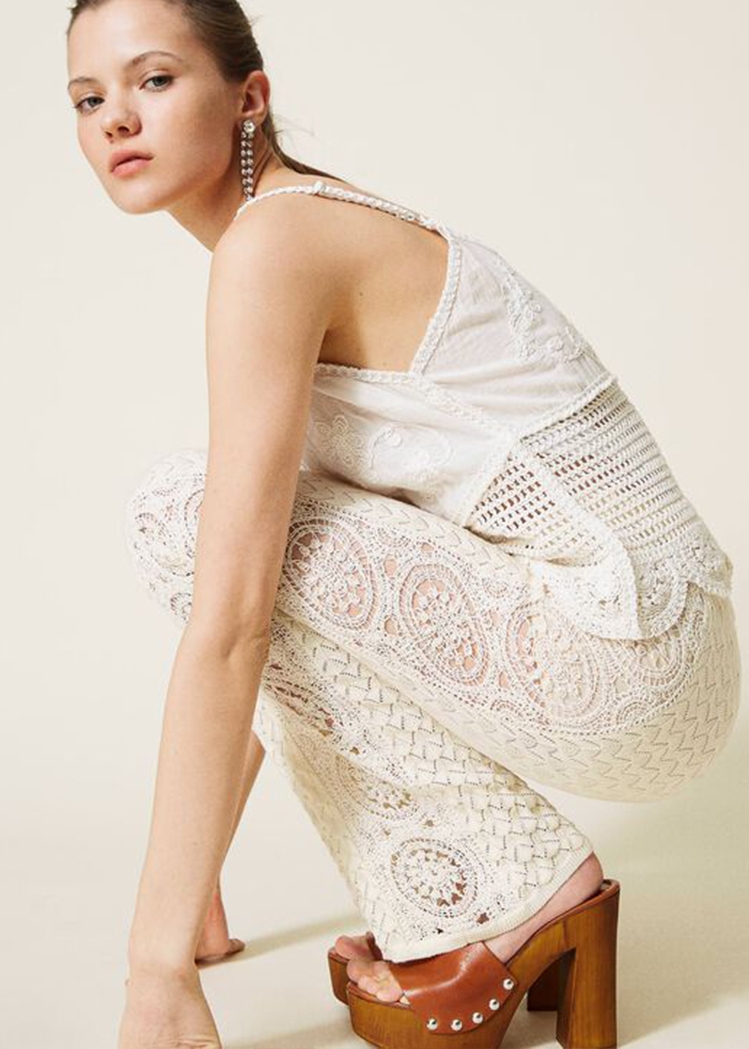
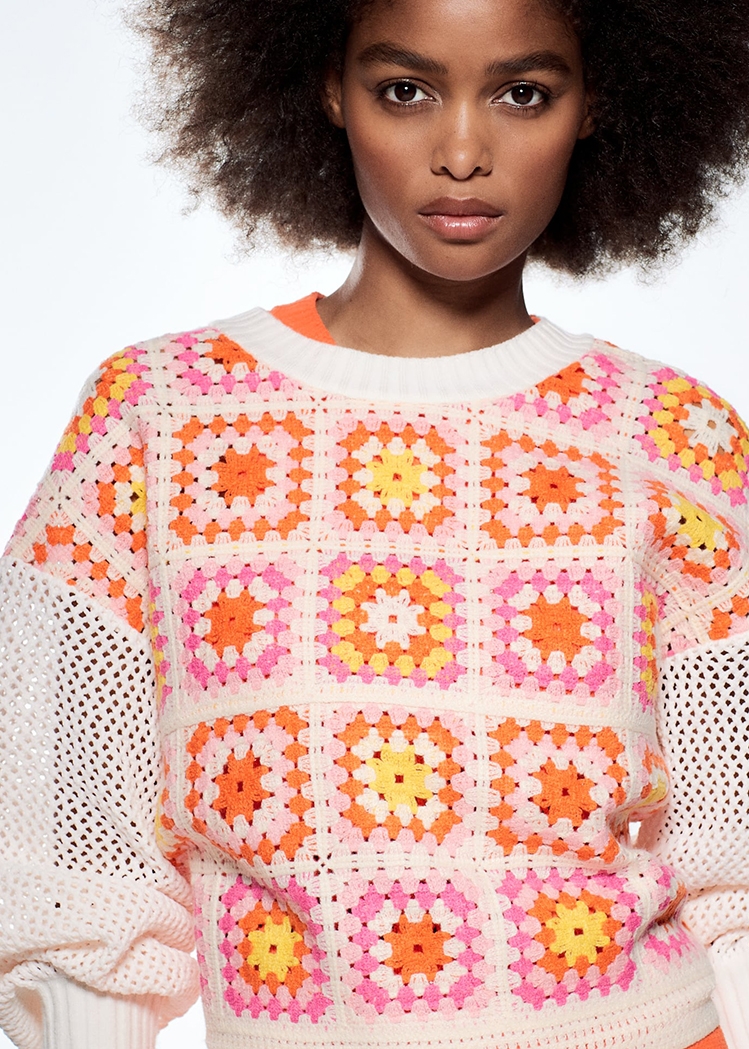
As an announced trend, transparent fabrics are a favored material this summer and represent slightly more than 9% of top materials. For dominating knitwear, ribs are a common jersey option. For the more trendy products, crochet is certainly the most visible textile.
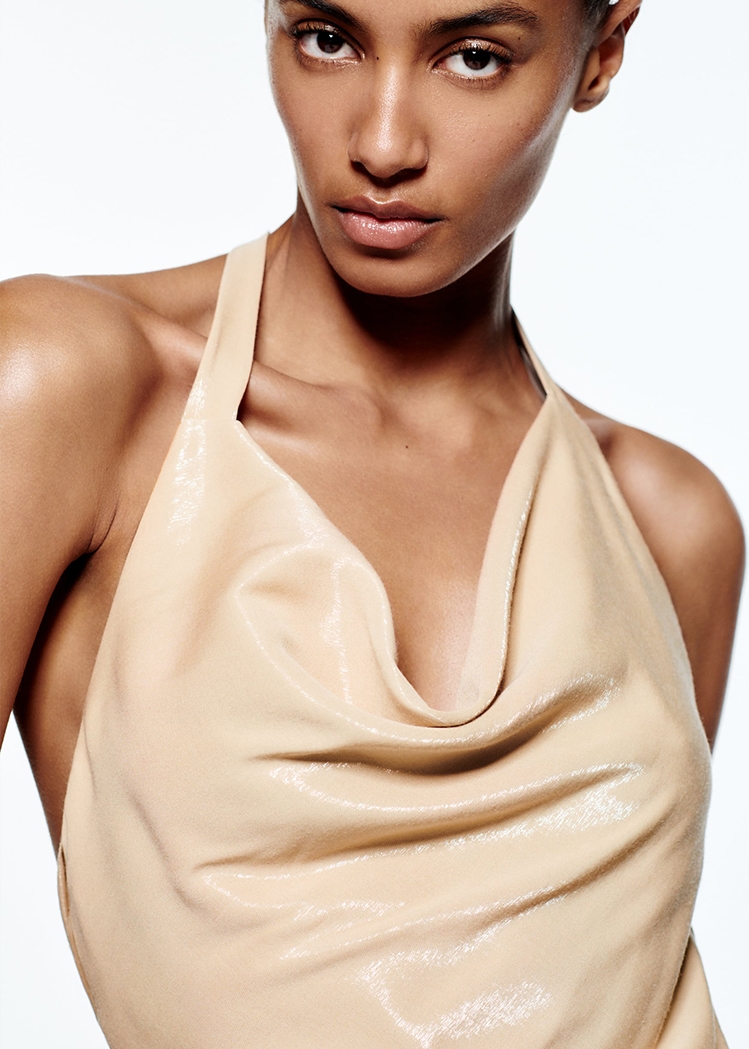
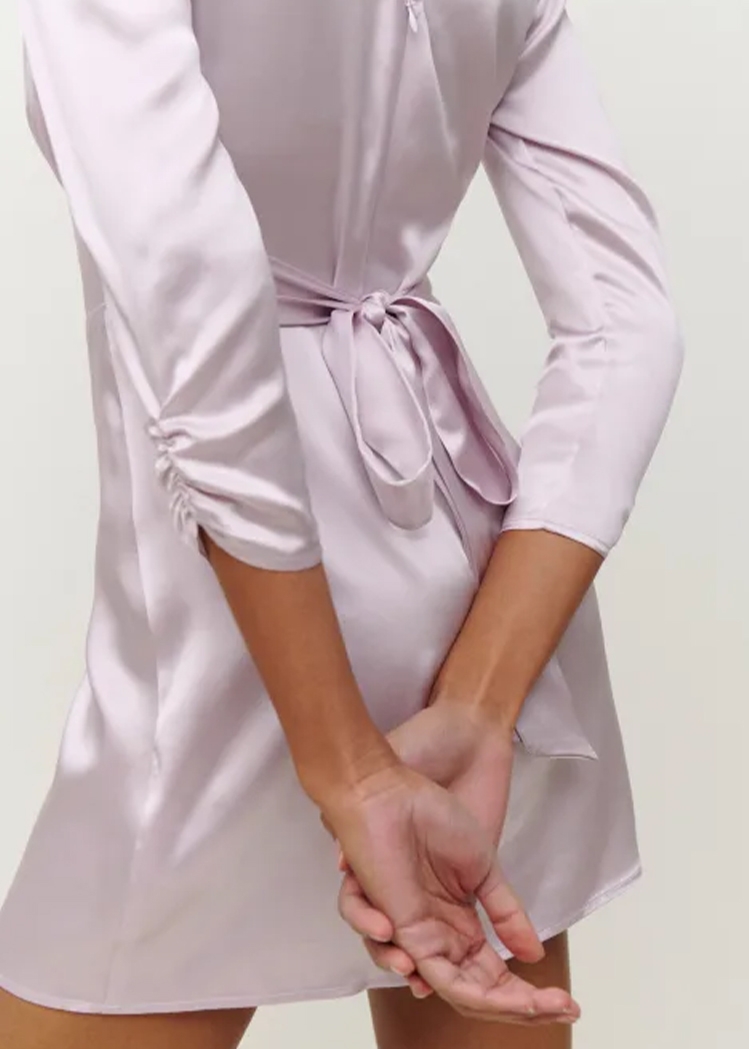
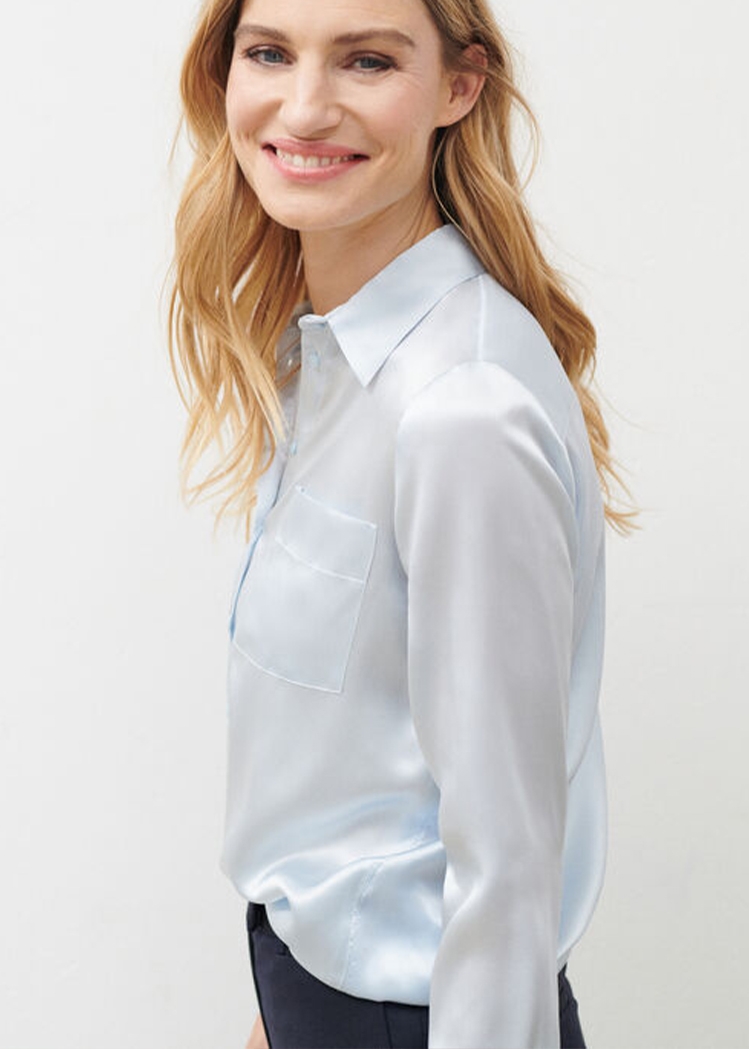
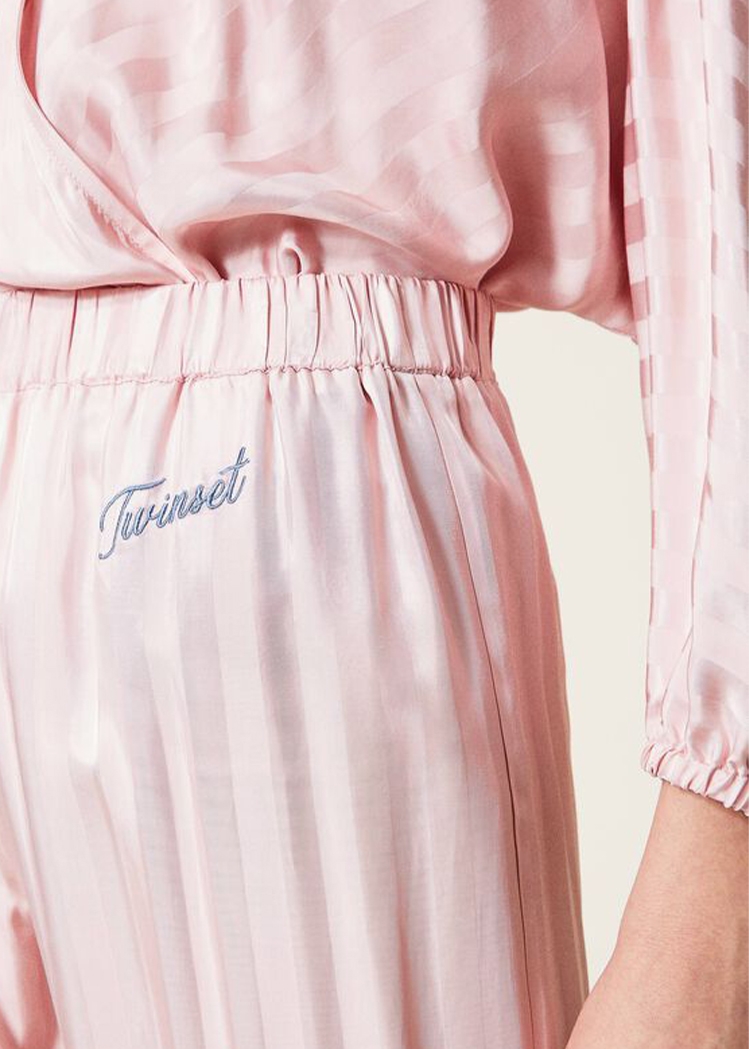
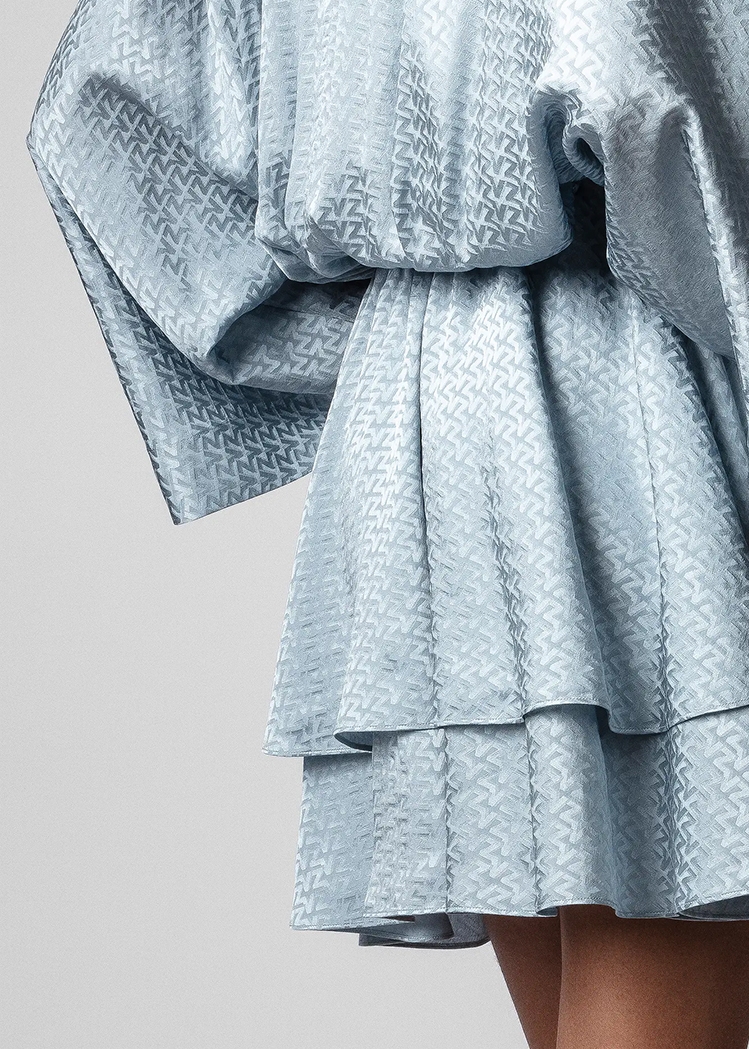
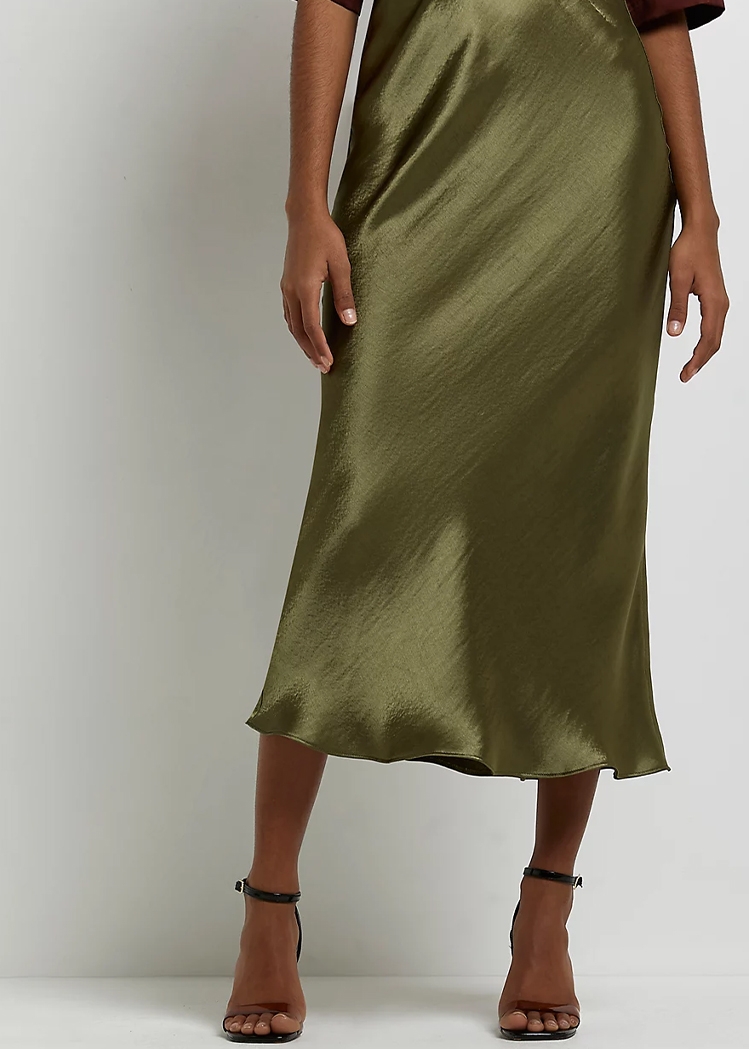
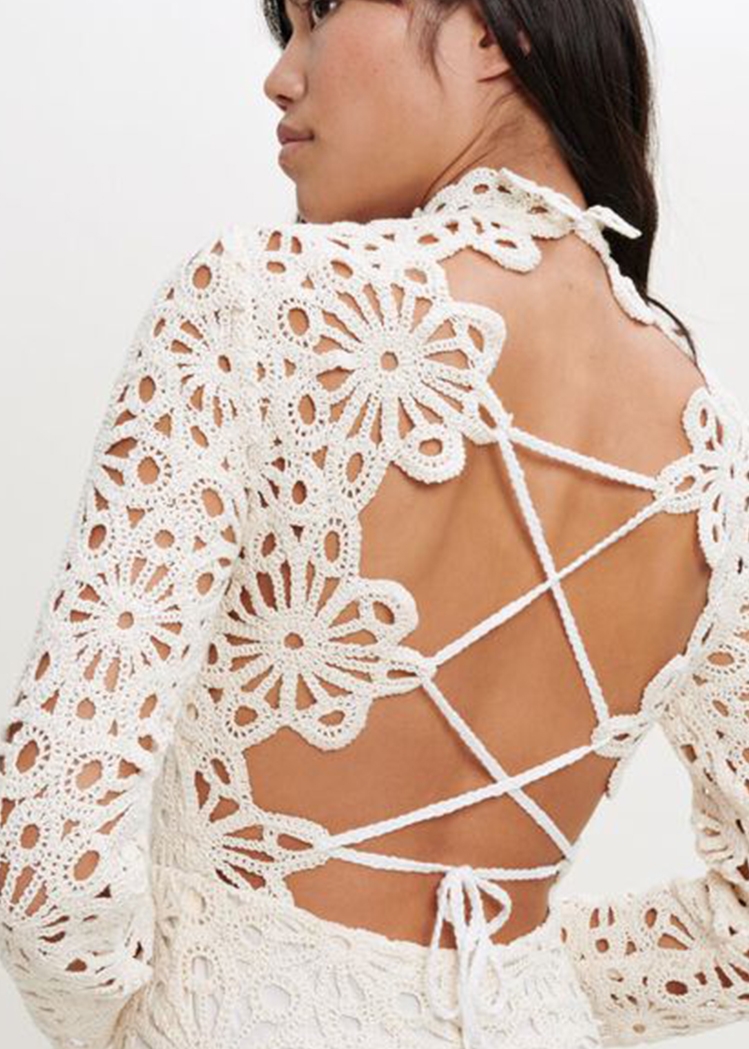
The desire to be seen again, is translated into sparkling touches that can be found in fabrics with lurex threads, metallic coatings and sequins. All of these special fabrics assert their presence once again, especially towards mid-March, as the ceremony season approaches. Glossy fabrics such as satin, on the other hand, perform better and are much more ductile and functional, being wearable from the office to any special event. Lace is interpreting those nostalgic blouses and lingerie codes that today blend strongly with those of ready-to-wear.
Ribbed Styles
Veiled Sheers
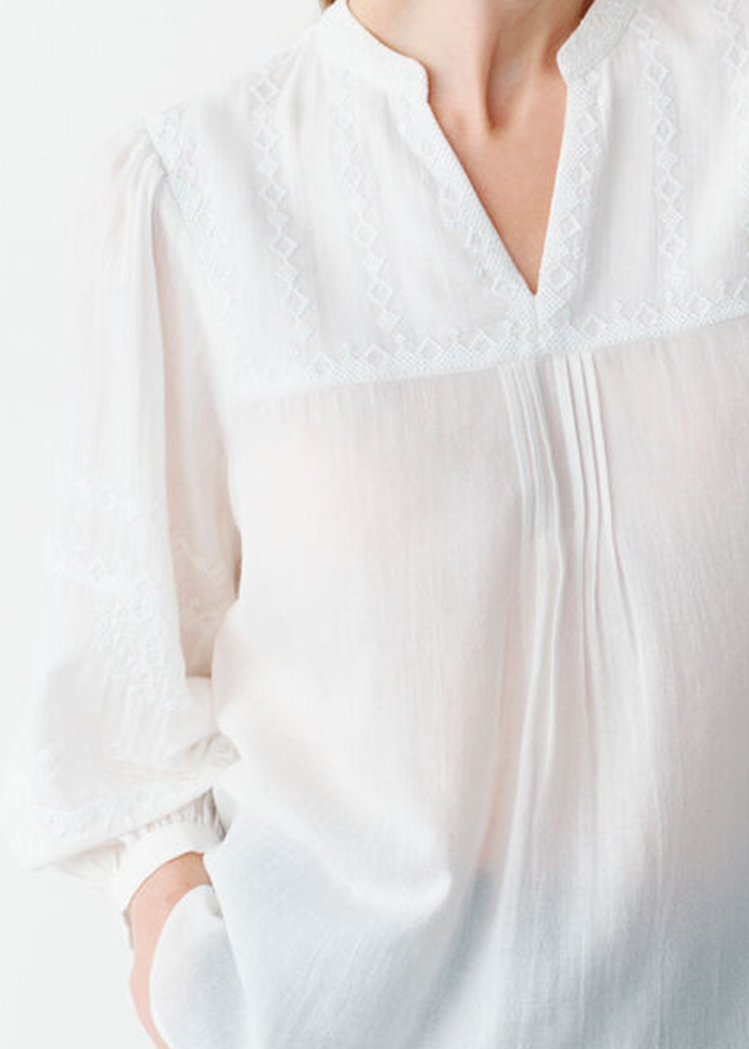
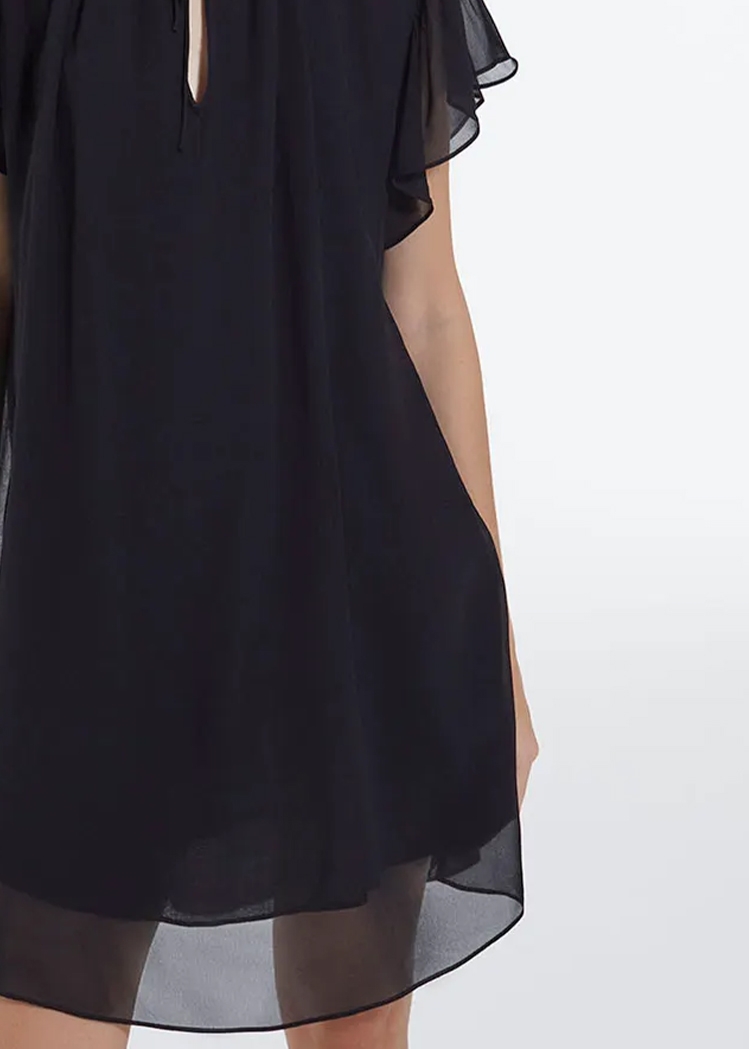
Slinky Silkies
Crochet Callings
Top RTW Prints & Patterns
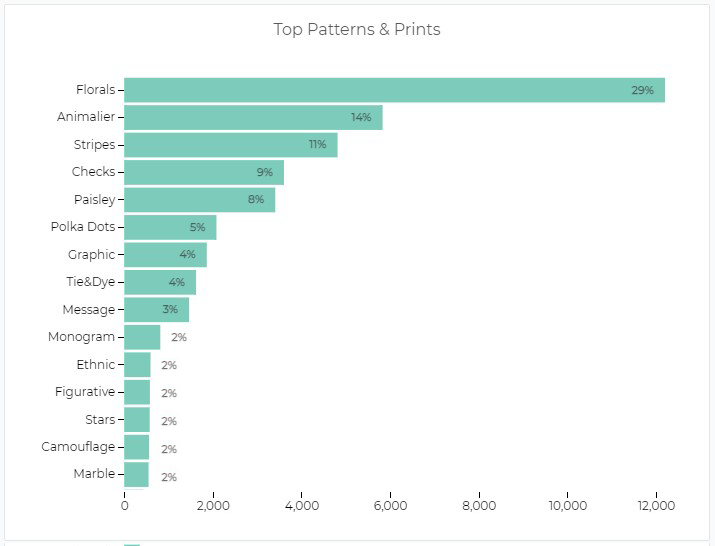
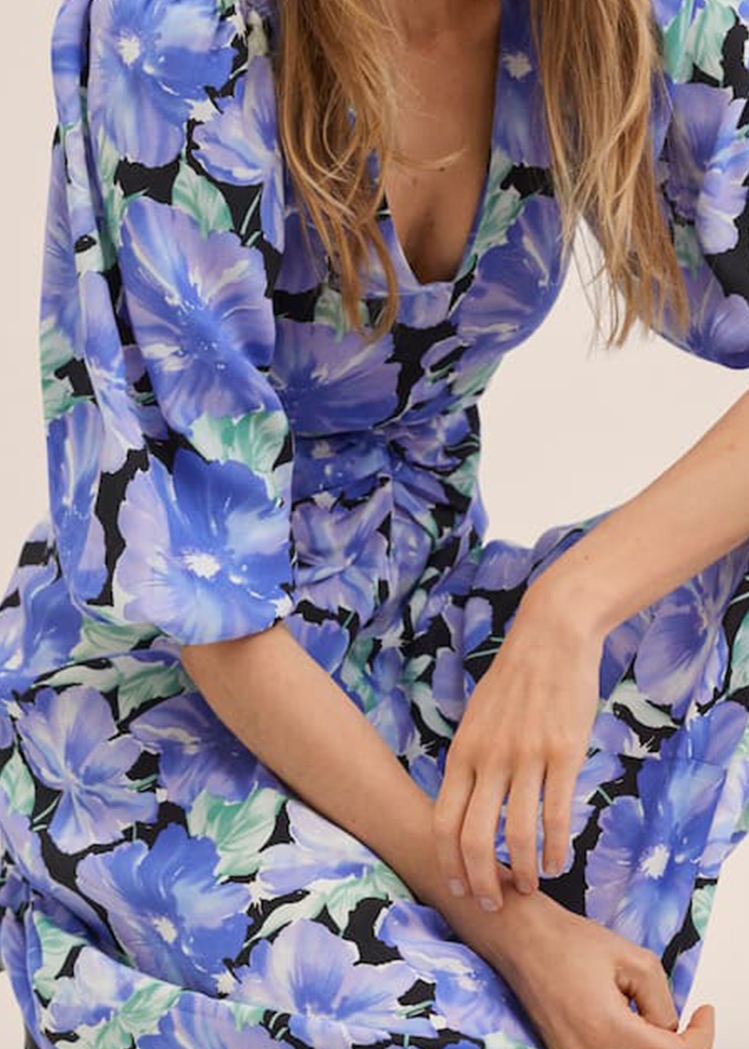
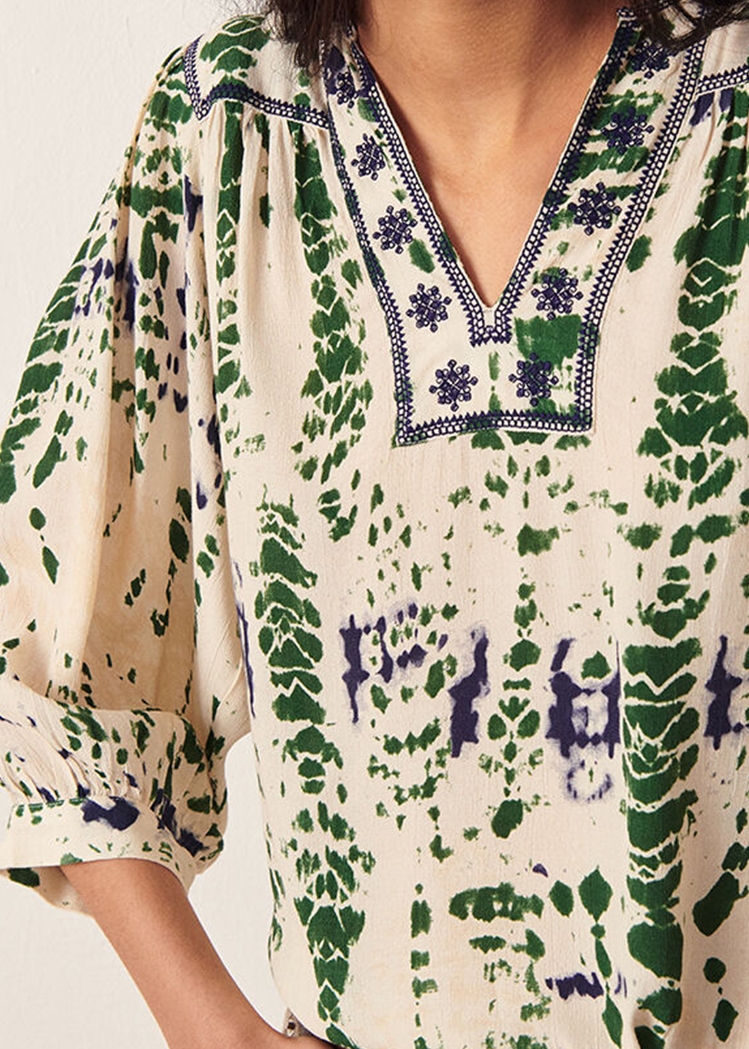
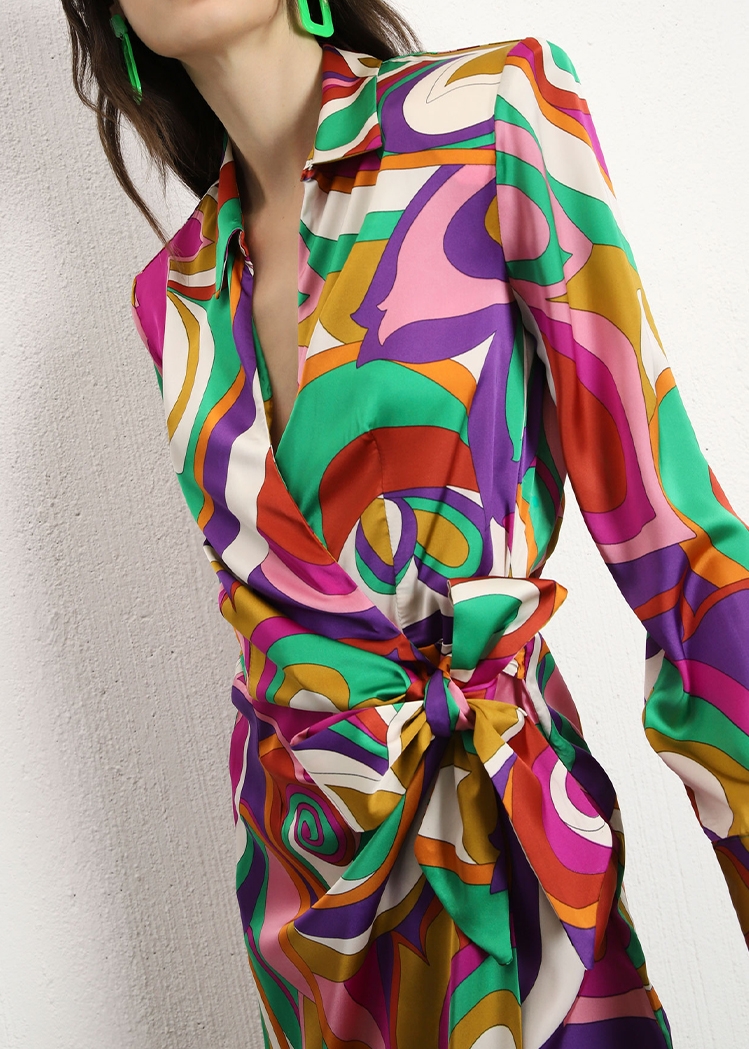
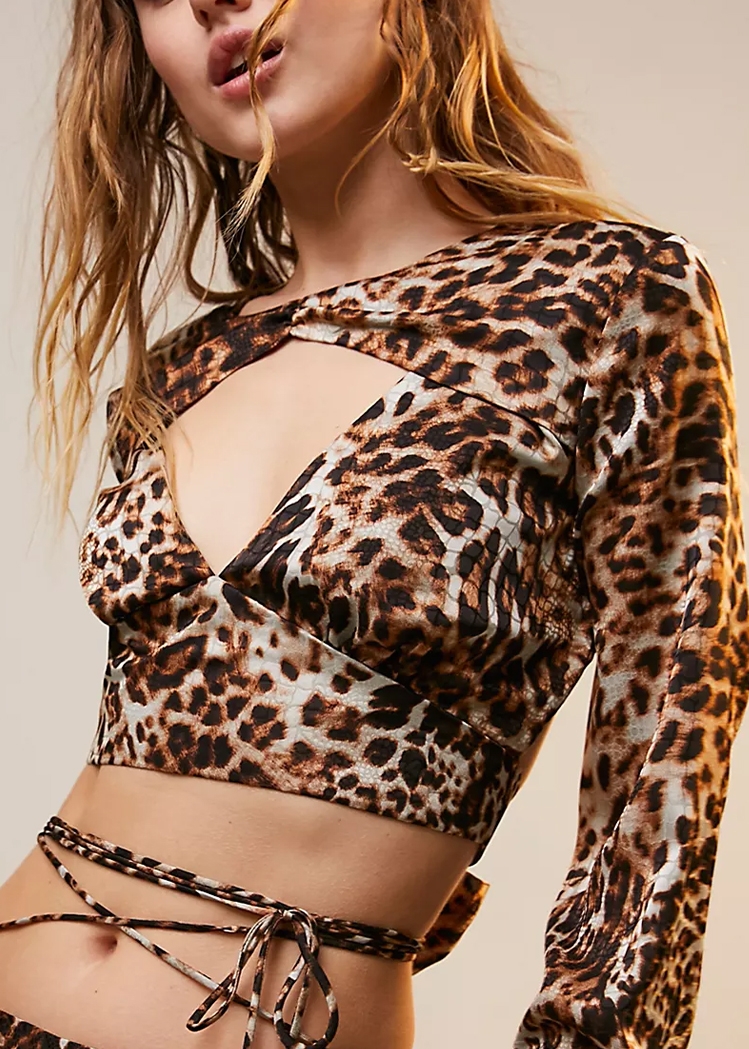
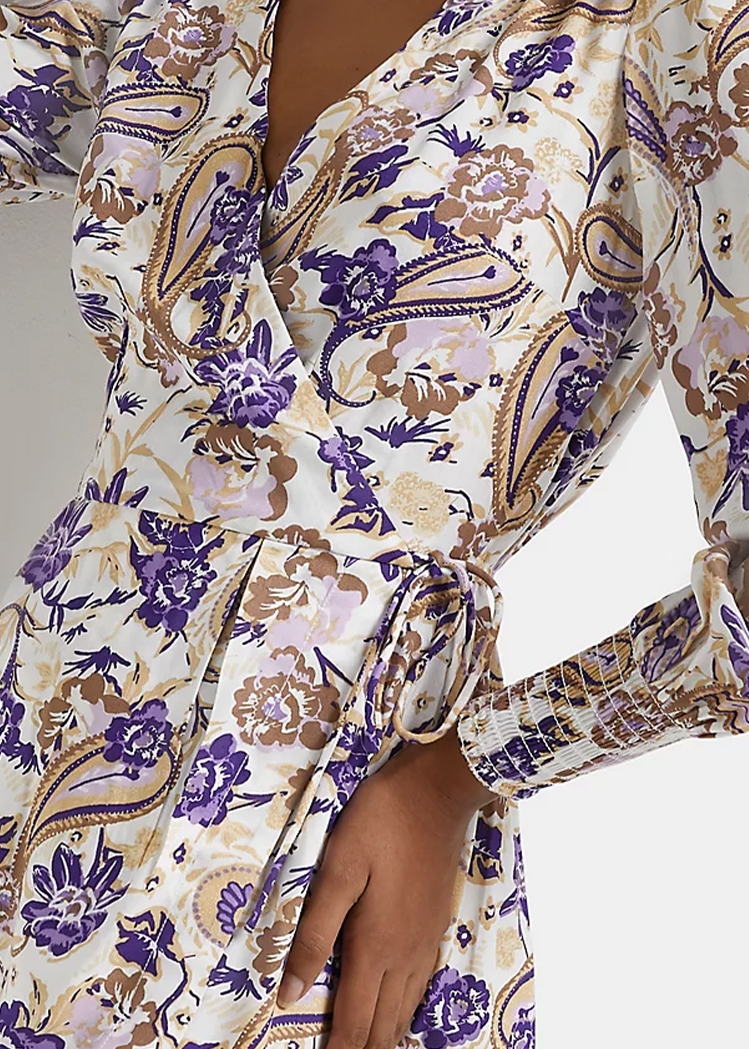
Florals are always the most representative and commercial pattern, making up for 29% of all prints and gaining +8pts% from SS21. Followed by animal prints that are representing 14% and loosing -4pts% compared to the last summer season. For RTW, leopard, zebra and snake are the most relevant animal designs, while lizard and crocodile are leading within accessory ranges. Checks and stripes are occupying 20% of assortments (-2pts% to LY), followed by paisley and geometric patterns. Currently, bohemian influence are translated into those paisley and ethnic prints and generate new interpretations of tie&dye with flower-like or blurred camouflage styles.
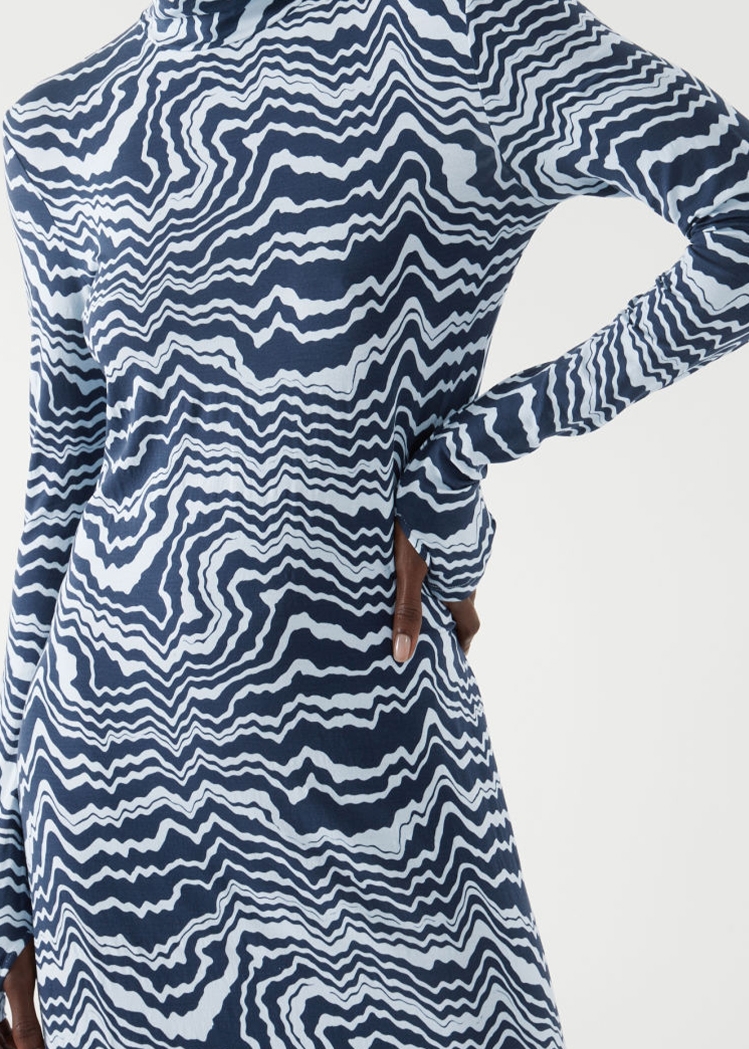
For the other geometric styles, a vintage trend is reframing retro geometric prints, openly inspired by italian brands such as Prada, Versace and Gucci, and playing with color contrast, as well as micro/macro effects.
Price Architecture
Inflation has been infiltrating retail. This has led designer brands to seize the opportunity to elevate their existing brand perception, while mass retailers increasingly feel the pressures of such rising costs. Some brands are fighting price increases by opting to discount less. The percentage of markdown assortments decreased YoY from 61% to 52%. At the same time, retailers have raised the prices of products that fit new lifestyles. Women are stepping away from leggings with a newer n#Normcore style that is pushing for a denim comeback, leading to jeans prices to increase. The pent-up demand for going out has bolstered the average price of several categories, as retailers are capturing spending from consumers that seek to dress up for lost time.
For this price analysis, categories are split in two markets: premium and high street. The analysis is done by comparing the same brands over the same period, year on year.
Premium Market Average Prices
Premium Market - Accessories Average Prices
Premium Market Price Architecture
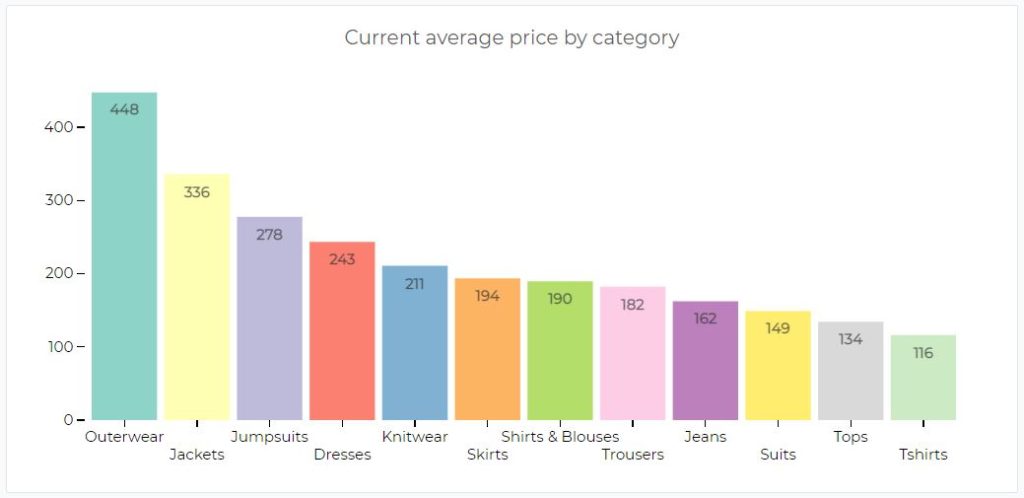
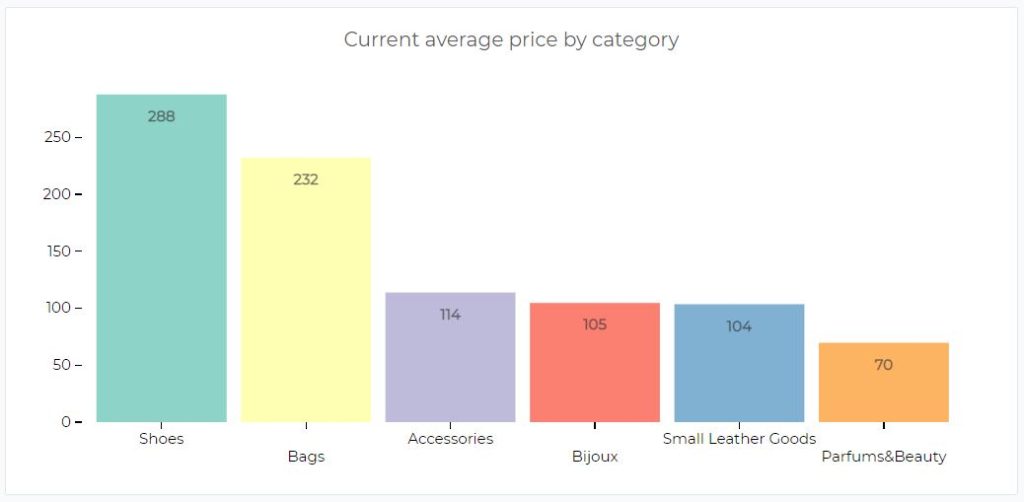
For the European premium market, the global average price of ready-to-wear decreased by -3% compared to last year. Collection average price were at 210 € for 2021 and went down to 203€ this season.
The quite constant pricing is showing that the premium market still has room for its margin and is able to keep fairly stable price tags, from ready-to wear to bags, shoes and accessories.
However, a substantial change in pricing strategy is underway, with actions and initiatives varying across different brands. Before setting your own strategy, have a look at your price dashboards on Livetrend Analytics.
High Street Market Price Architecture
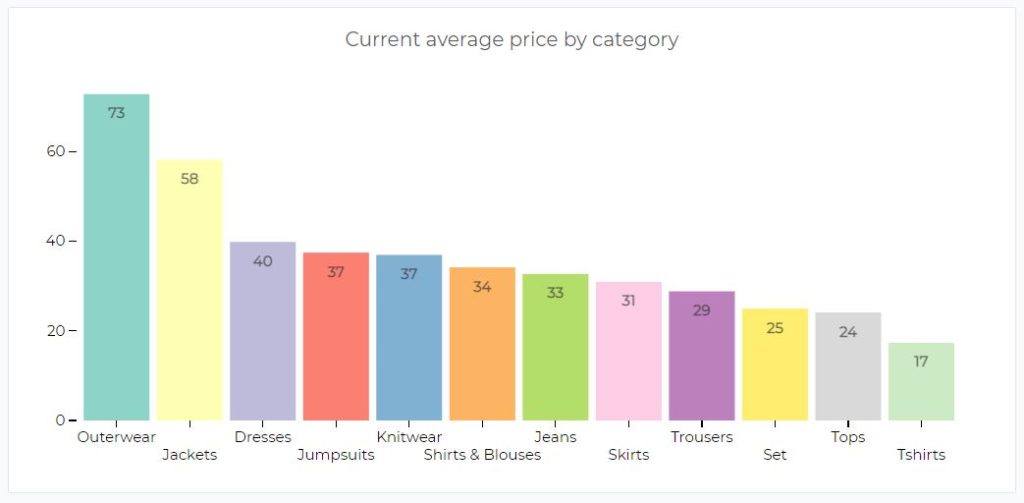
High Street market shows global average prices for ready-to wear of 37€, while the average price for premium brands finds itself at 203€. This difference does not only trace back to the different clientele but the product range proportions that strongly differ between the two markets.
For womenswear, dresses and tops have seen the largest price increase, comparing 2021 to 2022. Y2K essentials, including tanks and cami tops, become more affordable than last year as retailers address their assortments towards Gen-Z. The pricing on all other analyzed styles has inflated compared to the past two years.
While the dress category was rocky during the pandemic, it heated up as restrictions ease. This allows retailers to reposition their prices this season and capture the spending of today’s dressed-up consumer.
Coming back from sweat pants, jeans are now showing a came back, growing +4 pts% in average price.
For accessories, bags and shoes have seen their prices increase and footwear has shown +11pts% difference and bags +9pts% compared to 2021. Jewels are another category to show a distinct price rise of +6pts%.
After the increase in petrol, gas and electricity prices, you have to plan your price strategy with more accuracy to retain the best price but increase your margins, aiming to produce less but better.
High Street Market - RTW Average Prices
High Street Market - Accessories Average Prices

The data you need to master your market
This analysis is done by collecting e-commerce data based on in-stock products during the first trimester of 2022 .
High street labels are the first to take on upcoming trends and develop micro-trends especially for the younger markets and thanks to their attractive pricing. Bershka is a brand to keep on the radar for this target. Compared to that, premium brands are less experimental, betting more on core and iconic products, less influenced by micro-trends and more focused on products that will last over time.
Dresses are finally back this summer and ceremony styles are trending across this category. Y2K proposes a strong influence on different categories again. Mini skirts are taking up 43% of skirt ranges, confirming the announced trend. Jeans are certainly making a come back, accounting for half of the trousers. Low rise and cargo pants are the more fashionable elements that have been injected in every collection but remain quantitively with lower impact.
To adjust your SS22 storytelling, make sure to push these products on attractive silhouettes adapted to your brand. At the same time, encourage a slower fashion consumption by putting iconic everlasting product on the forefront of the right style mix that actualizes them in a more contemporary look.
Category:
Date:
26 April 2022
Tag:
#archive