
BIODEGRADABLE LEATHER
Animal leather that biodegrades by 75% in 90 days. Its production requires less water and dye than the one of common leathers.


This Sustainability Guide for accessories is done in collaboration with Assocalzaturifici, the national association representing Italian shoemakers, part of Confindustria Moda Italia. It has about 650 member companies and represents the excellence of Italian footwear. Livetrend is also partner of Micam Milano, the world’s leading footwear fair promoted by Assocalzaturifici. The Italian fashion association believes research and study of trends to be an essential step in the production of fashion collections and cannot afford to ignore the new technologies. Beginning with 2022, Micam Milano will be collaborating with Livetrend, that has demonstrated how a solution empowered by artificial intelligence can be the most effective tool for responding to the new requirements of the fashion market. Micam has asked Livetrend to put its «savoir-faire» into footwear and work on specific algorithms to detect trends for shoe category. Aware of the importance of reducing the ecological impact of its members production, Assocalzaturifici has developed VCS, a trademark registered in Italy and Europe based on ISO 26000 guaranteeing a sustainable approach, manufacturing excellence and quality. Livetrend has provided the Sustainability Radar to track sustainable novelties and trends to inform responsible brands and to promote sustainable topics.
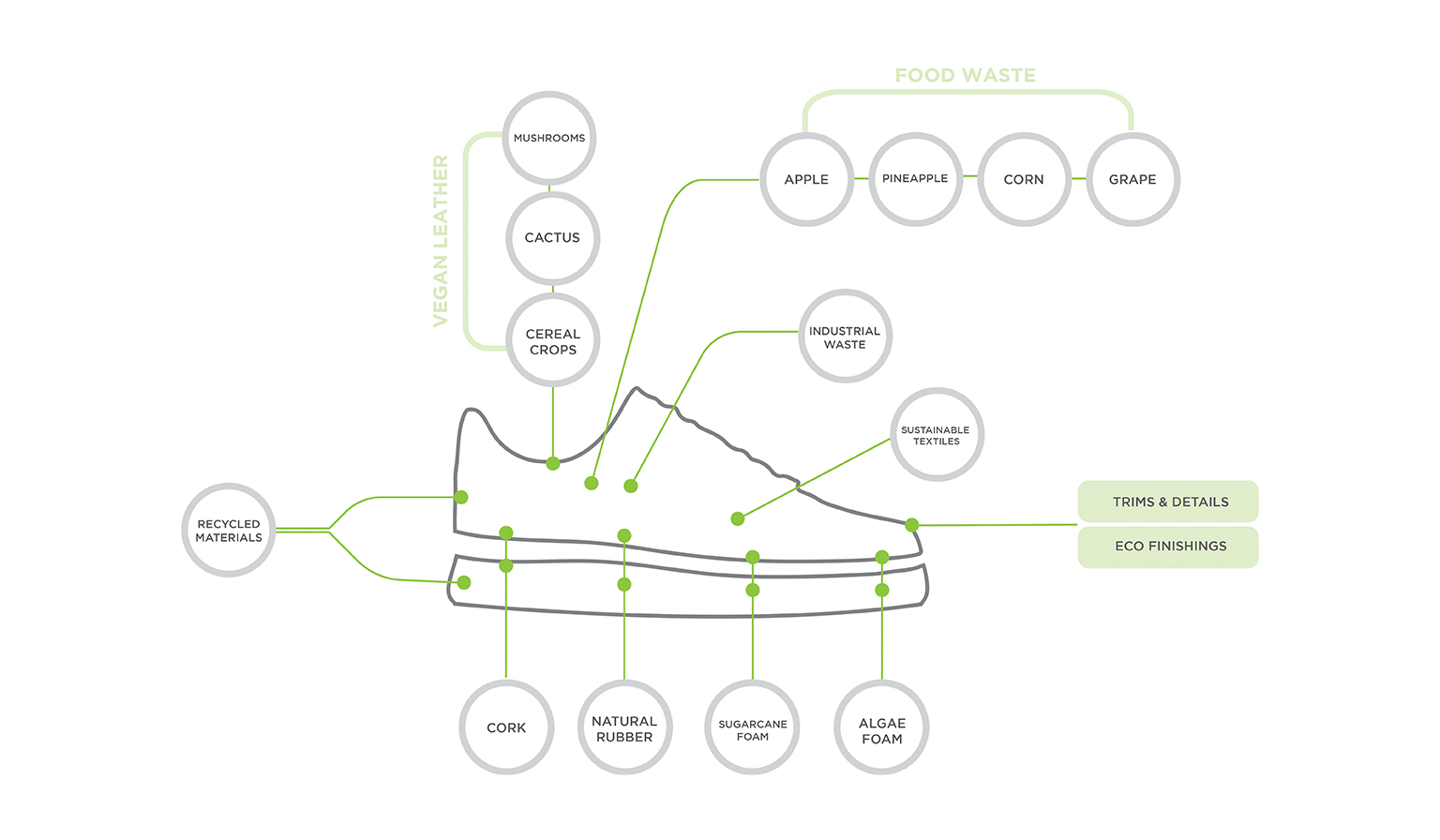
Over the past years, sustainability became an integral part of society as climate change became a more urgent matter. Consumers demand transparency in communication and new solutions to take actions within their purchases. Interest in ``vegan leather`` is growing, manifested by searches for Vegan Running Shoes increasing by +200% over the last year. While people gained stronger awareness of new options on the market, they started to consider more unconventional niches of sustainable products as well. Searches for Cactus Leather increased by +200% compared to the previous year, while searches for Mushroom Leather Shoes increased by +80%. With plastic remaining an important issue to solve, it is not just by innovating in materials, but also via new recycling solutions that environmental matters can be approached by circular approaches to waste and by clearing landfills for recycled products. Searches for Shoes Made from Recycled Ocean Plastic increased by +70% over the last year, showing that considering such new sustainable-living when designing and producing: answer the impelling need for positive change!
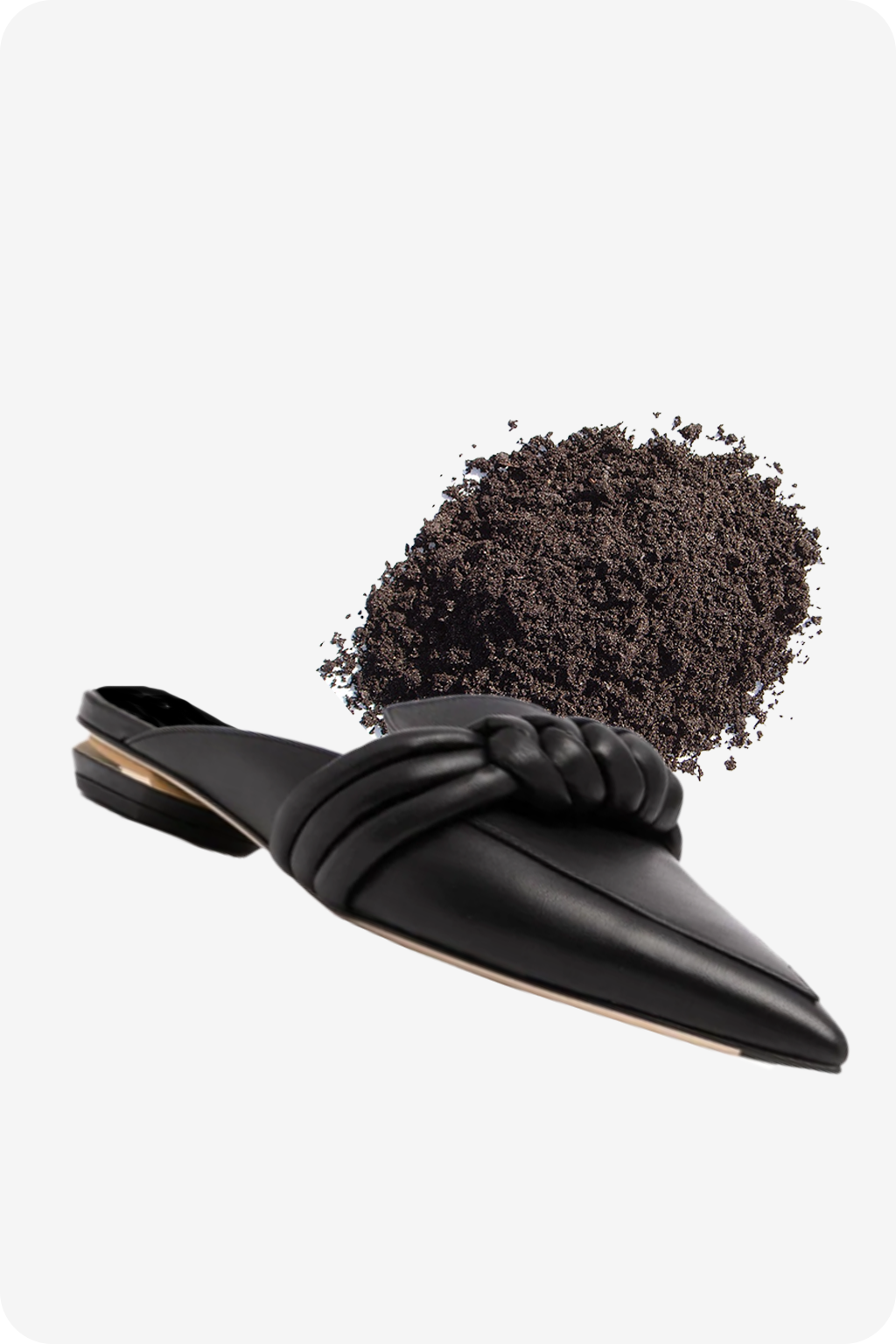
BIODEGRADABLE LEATHER
Animal leather that biodegrades by 75% in 90 days. Its production requires less water and dye than the one of common leathers.
Credit: Nicholas Kirkwood/Nature-L ®
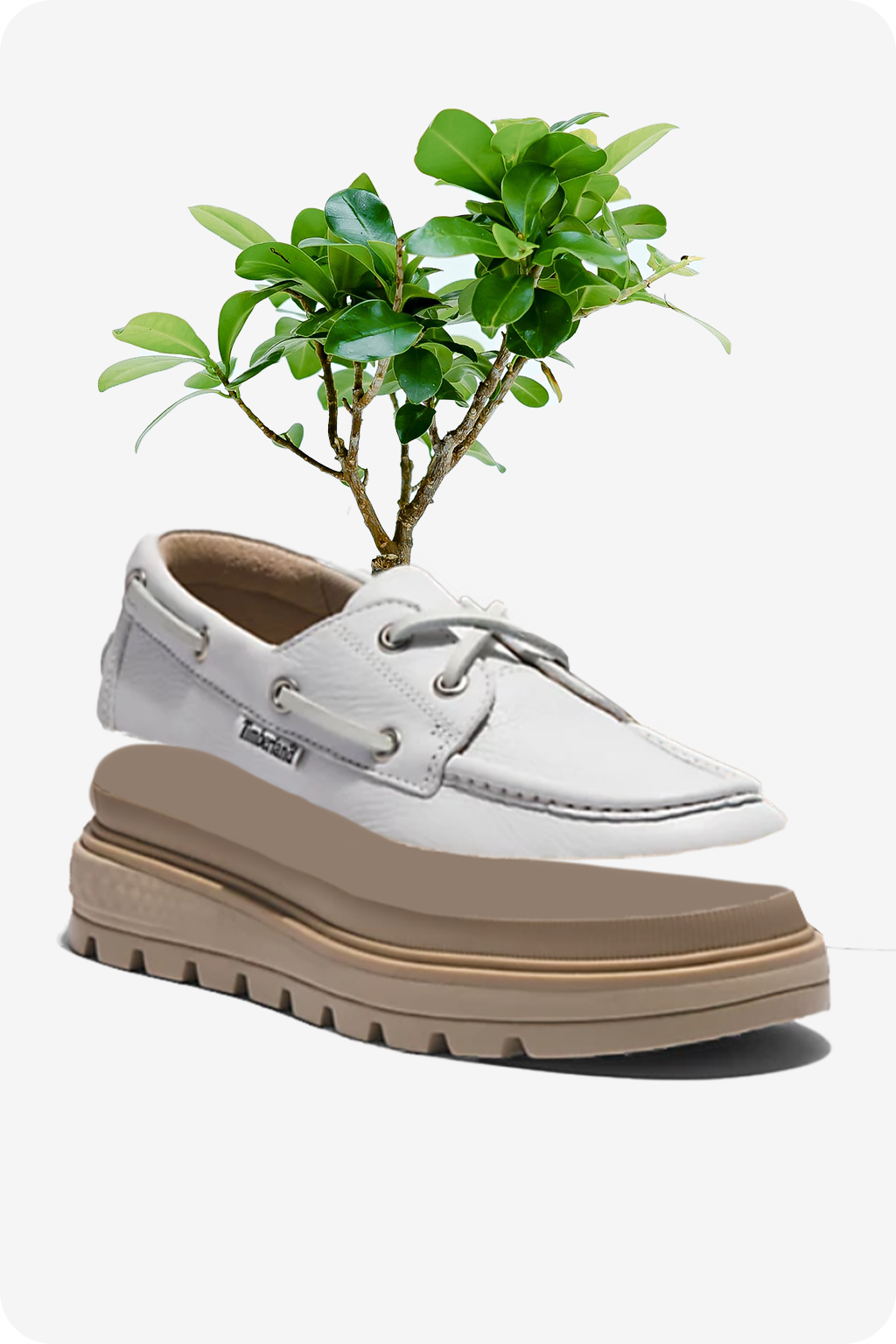
REGENERATIVE LEATHER
Leather sourced from regenerative agriculture. Farmed lands get the chance to periodically rest, absorb carbon, retain water and restore biodiversity.
Credit: Timberland/Earthkeepers ®
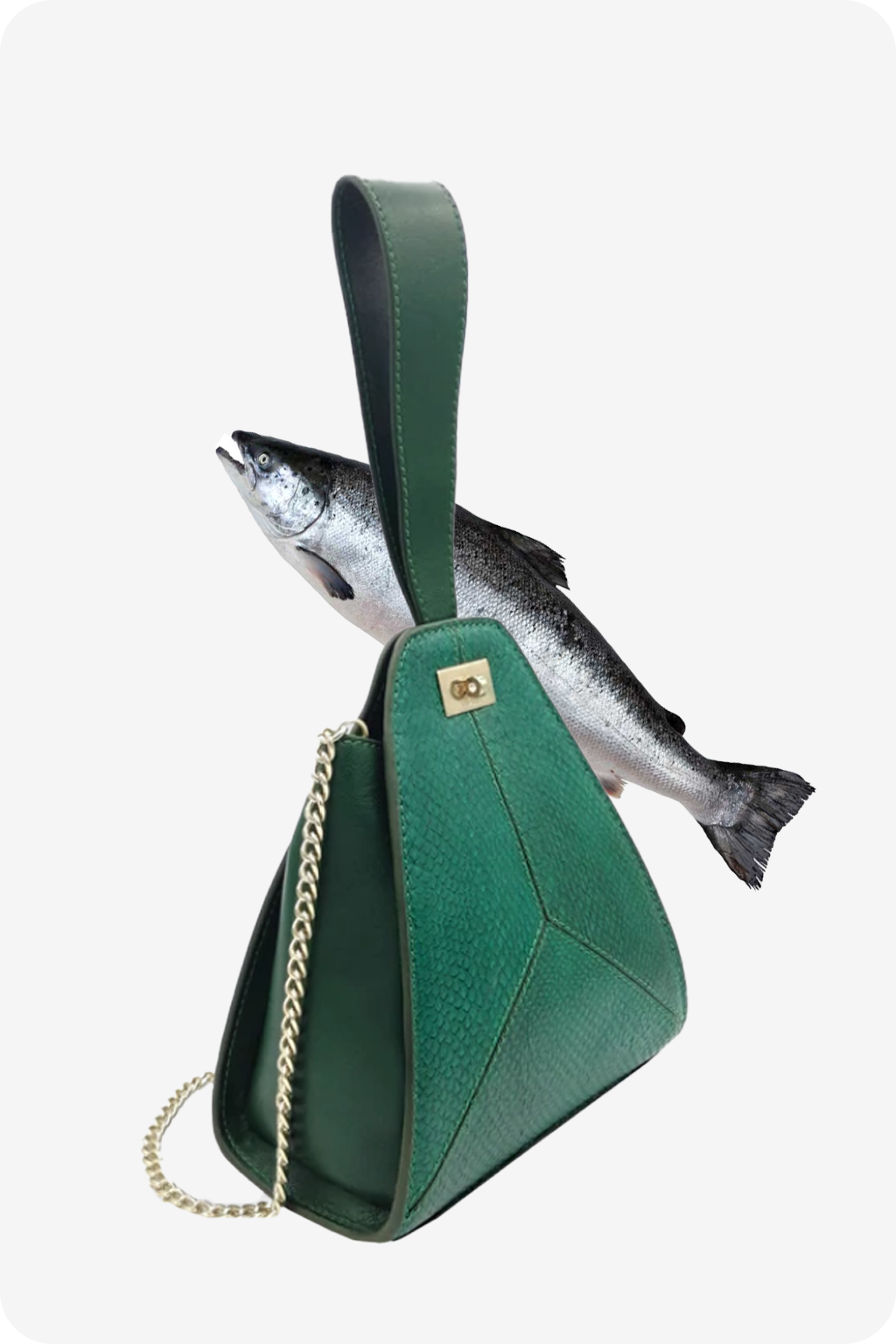
FISH LEATHER
Recycled fish leather from the waste of agro-food industry, as salmon skin is only consumed in 1% of products.
Credit: Thalie/Ictyos ®
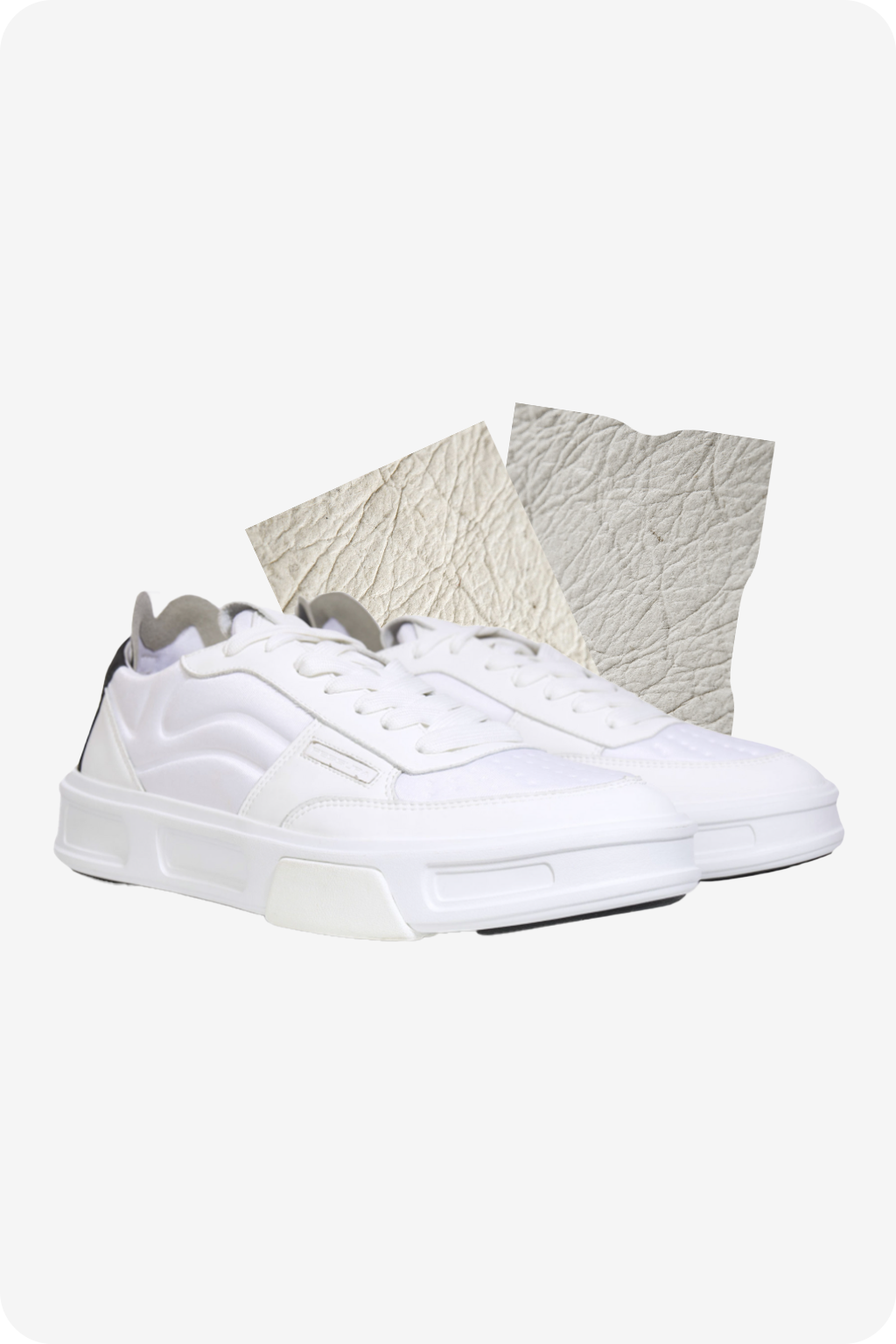
RECYCLED LEATHER
Leather made with a minimum of 50% leather fibers processed and fused with synthetic ones close to look, smell and feel as animal leather.
Credit: Fessura/Flyleather ®
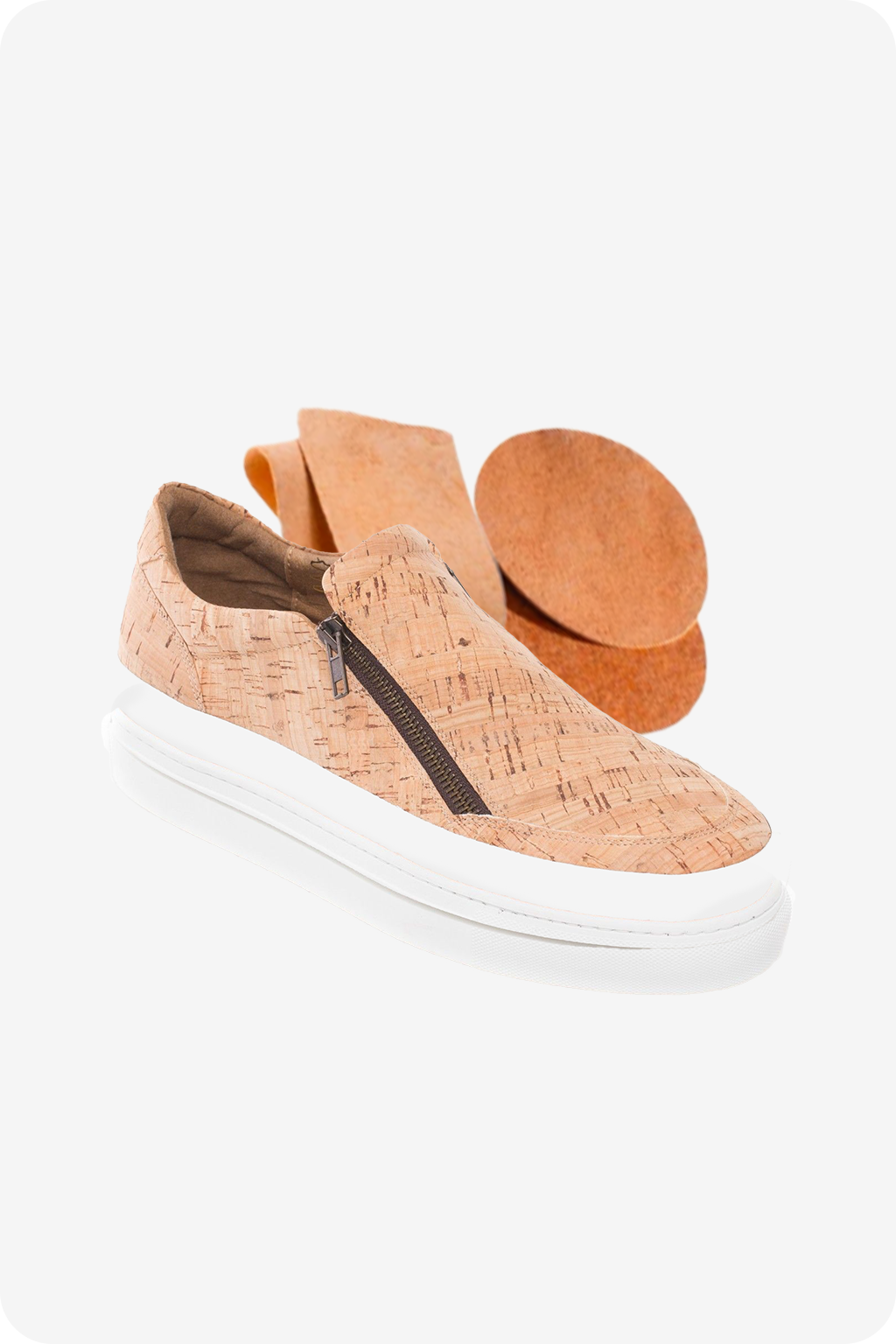
CORK LEATHER
Cork farming has a negative carbon footprint. The leather is harvested from coark oak and it does not requires the tree to be cut down.
Credit: Nae Shoes
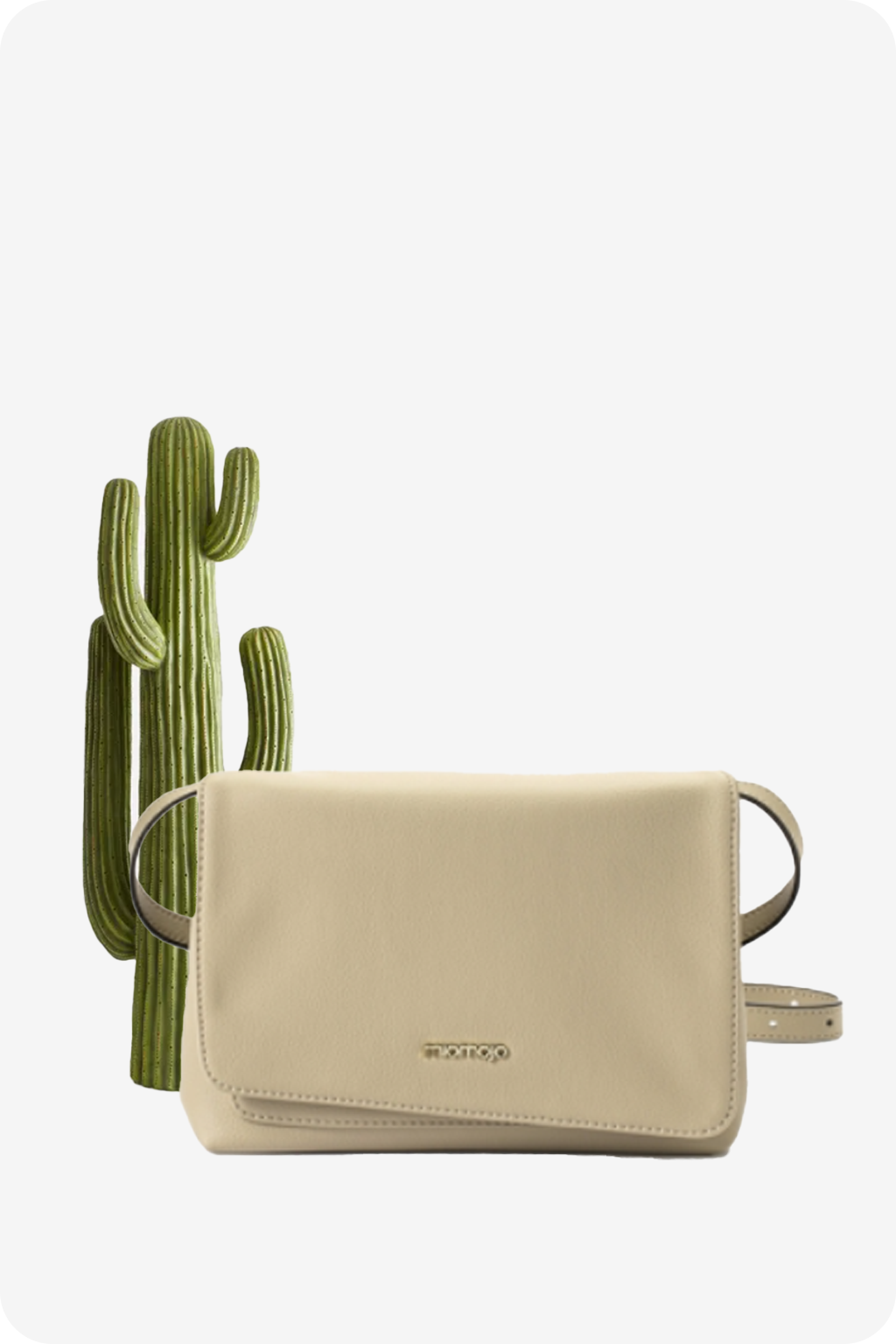
CACTUS LEATHER
Cactus can grow with rain water and the plant remains unharmed. Its production enriches the soil’s micro-flora and micro-fauna.
Credit: Miomojo
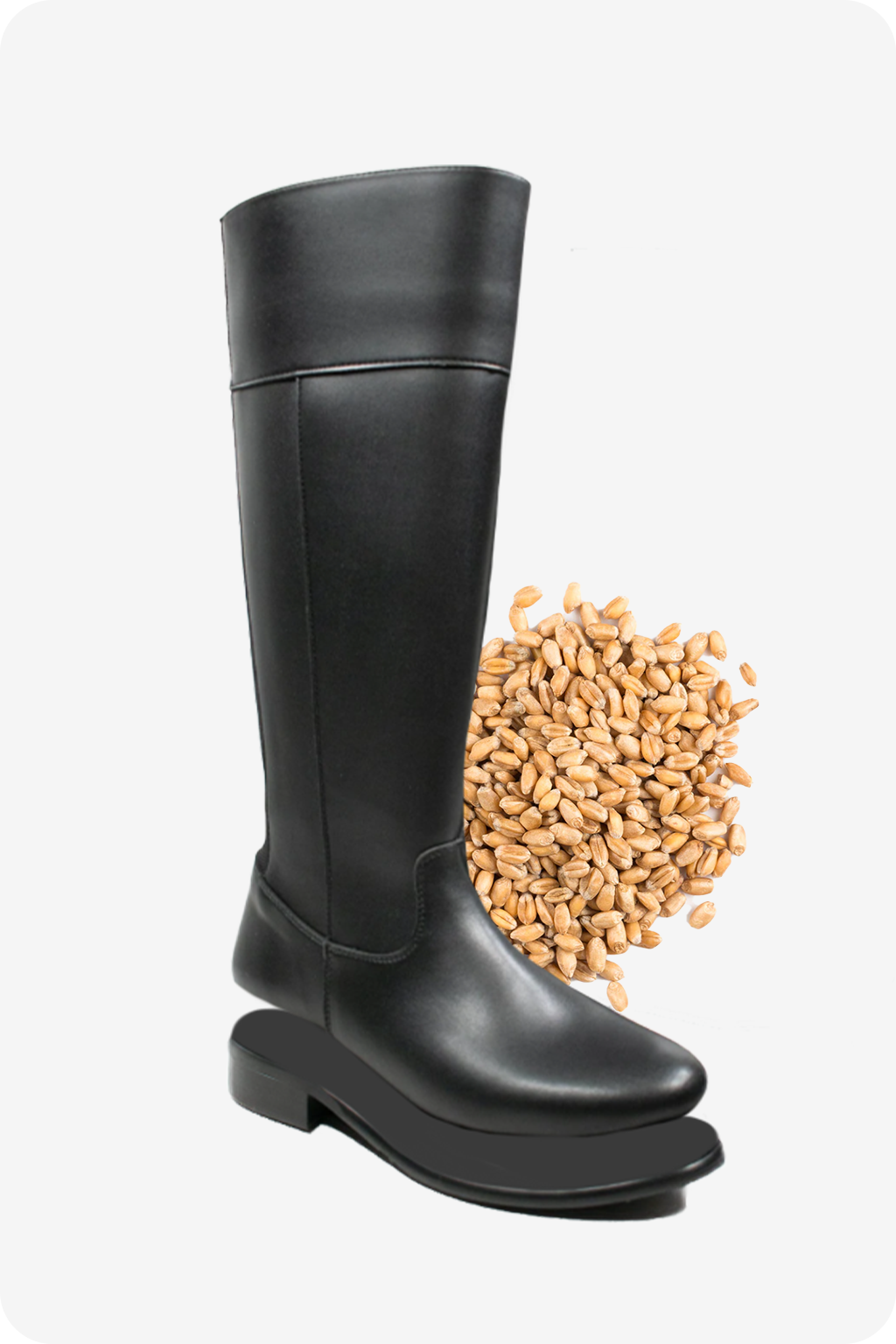
CEREAL CROPS LEATHER
This vegan leather is produced with bio-oils sourced from organic cereal crops with 69% of bio oil and only 31% of PU involved.
Credit: Wil's Vegan Store
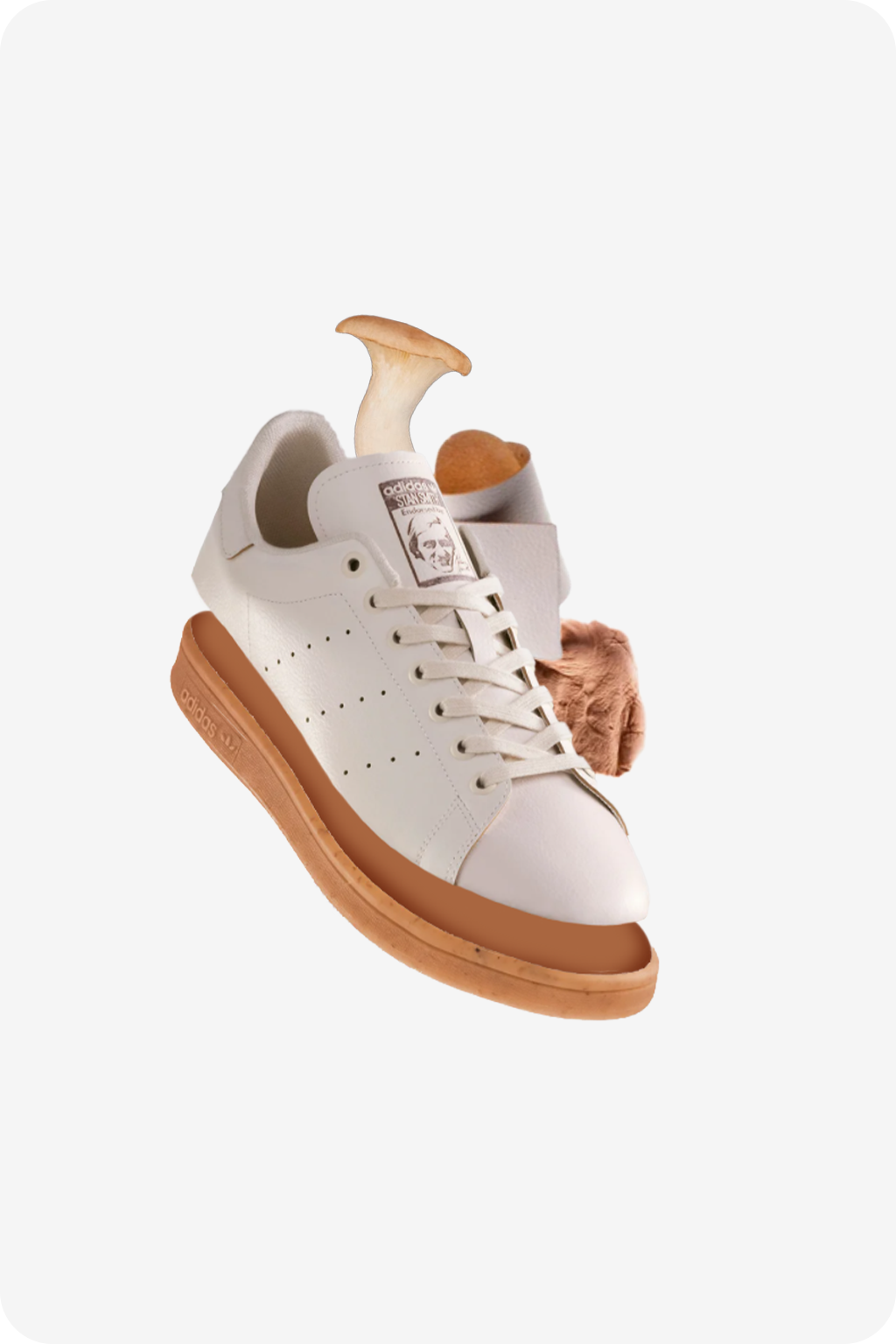
MUSHROOM LEATHER
Mycelium is an infinitely renewable source. To produce Mylo leather, the mycelium is growth within days, unlike the resource intense process of raising livestock.
Credit: Adidas
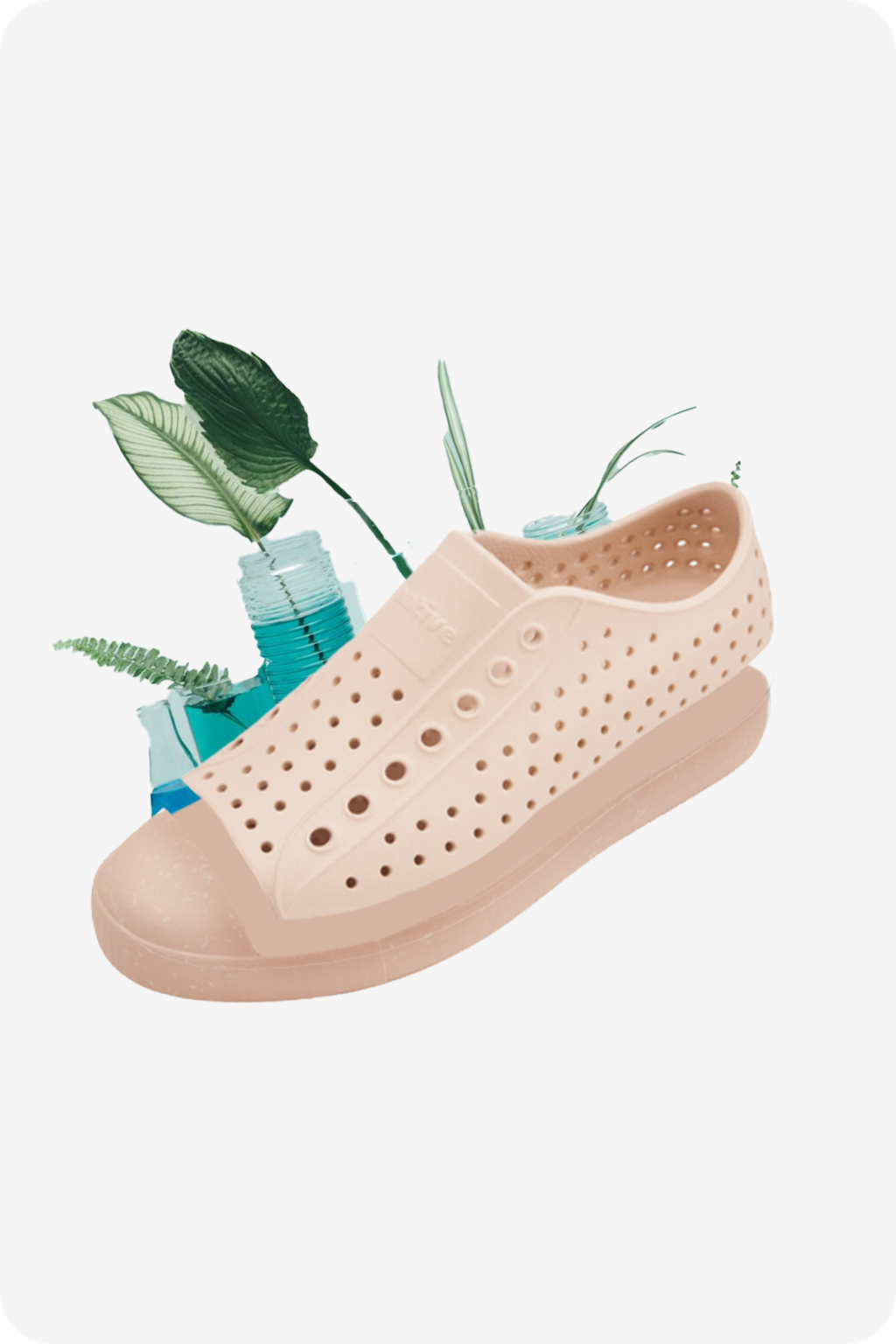
ALGAE FOAM
Algae is the fastest growing, most abundant plant. Harvesting harmful algae from waterways helps to keep marine ecosystem in balance.
Credit: Native Shoes
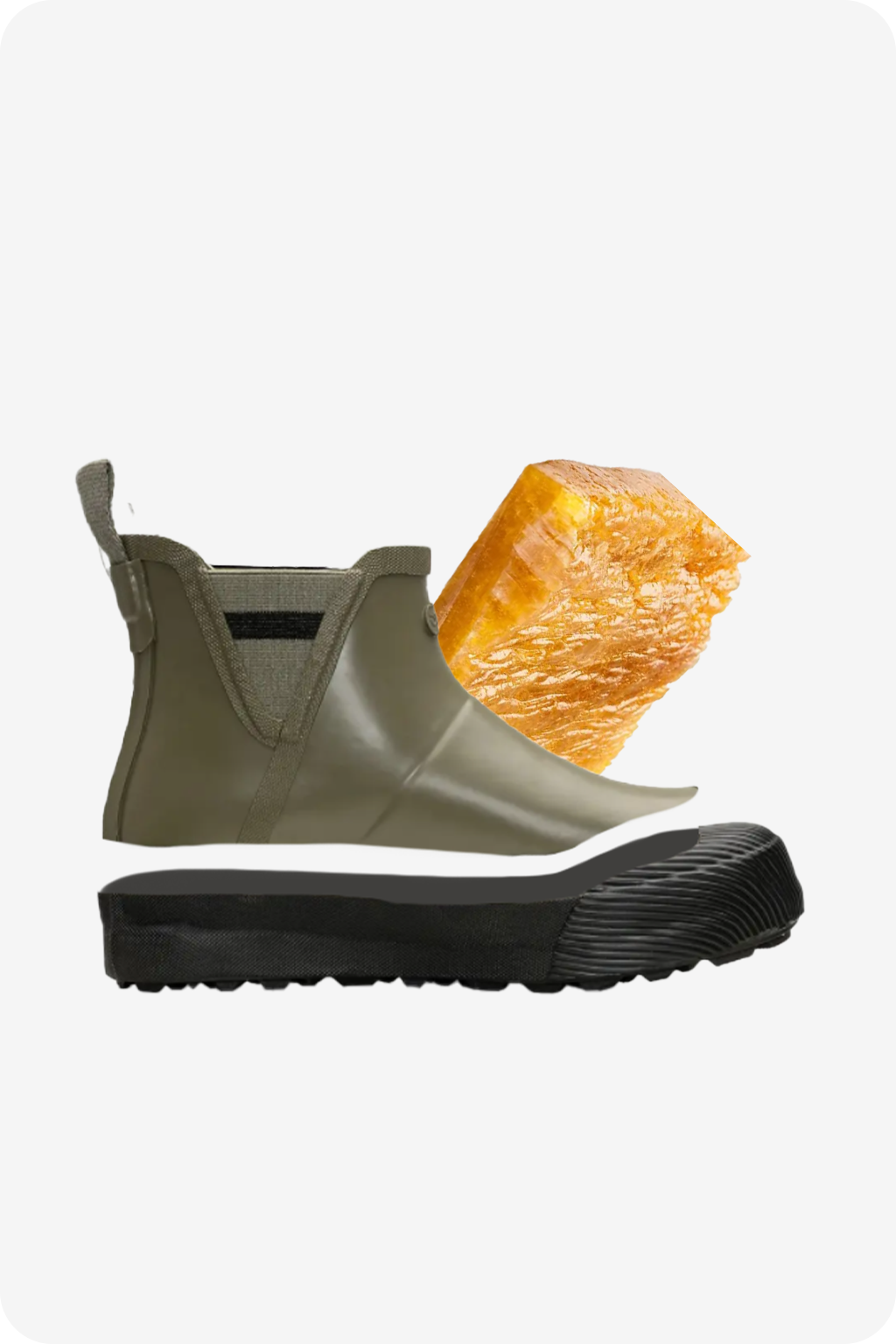
NATURAL RUBBER
Harvesting Hevea Milk has a positive effect on the tree. The pockets of air in the rubber micro structure provide comfort and shock absorbance.
Credit: Viking Footwear
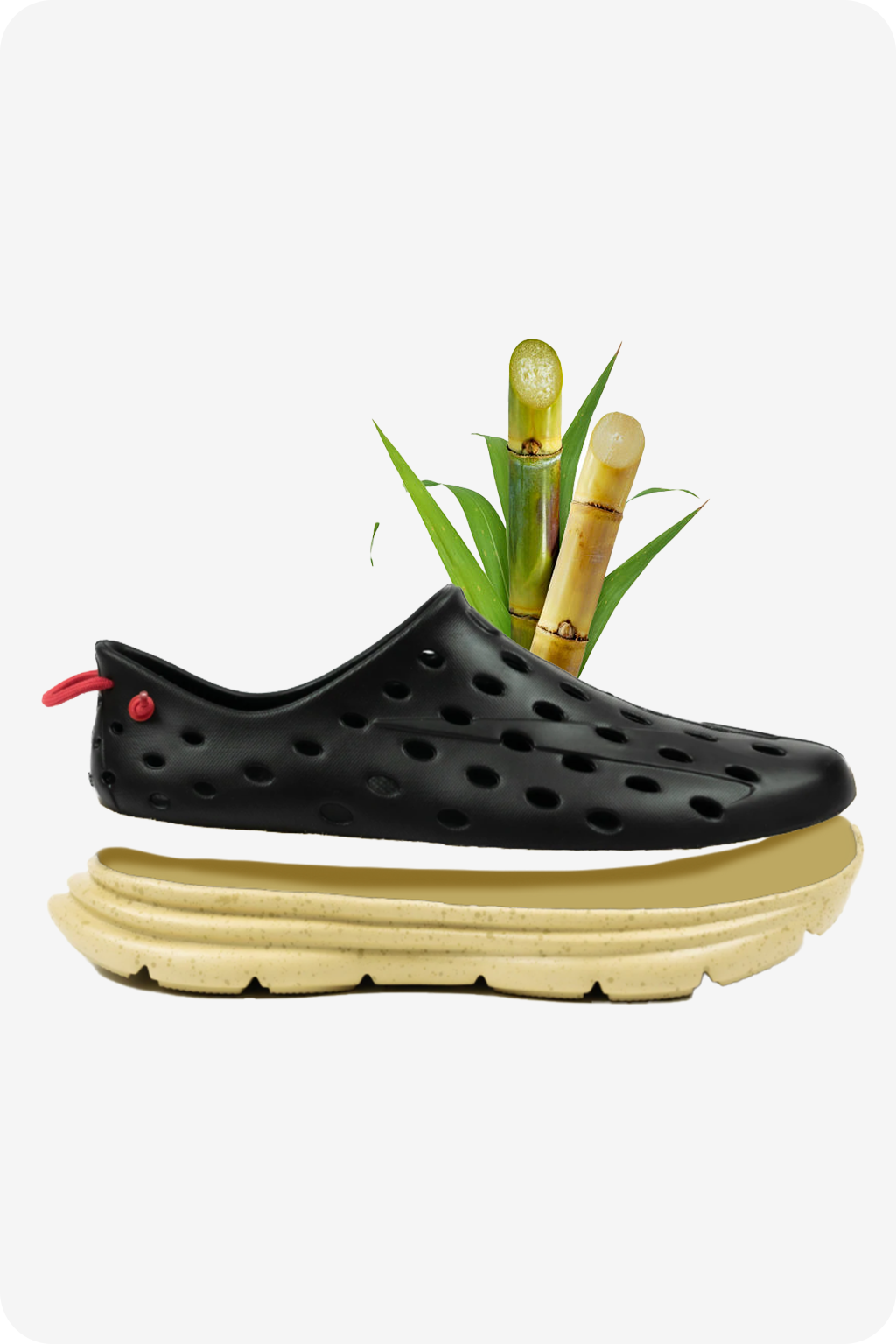
SUGARCANE FOAM
Sugarcane is a fast growing, carbon neutral crop. Sugarcane biomass is extracted to power the mill and fertilize the next year’s crop.
Credit: Kane Shoes
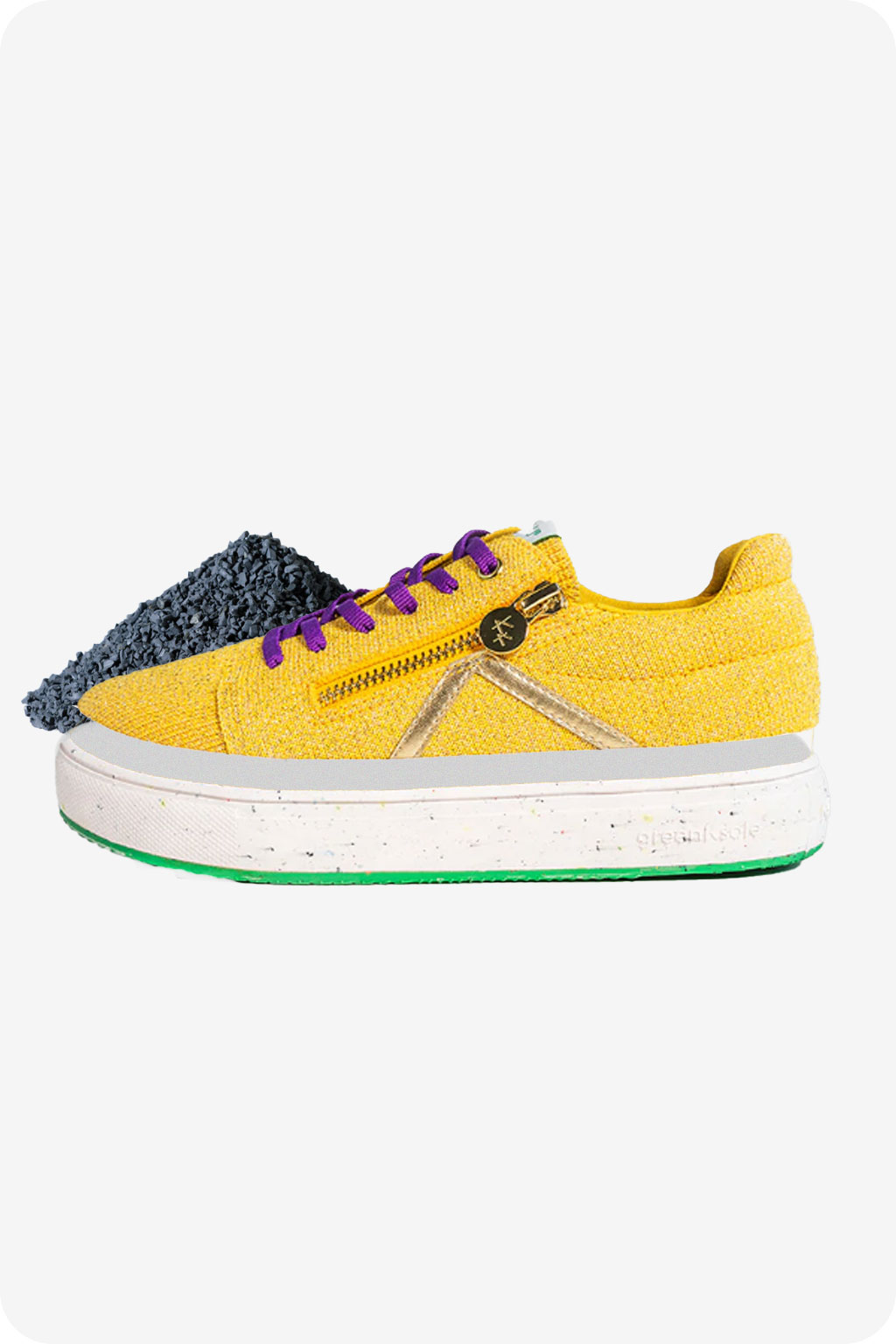
RECYCLED RUBBER
With a blend of natural and recycled rubber, the outsole is lightweight, durable, grippy and designed for multi-environment traction.
Credit: Kolulu/Greenksole ®
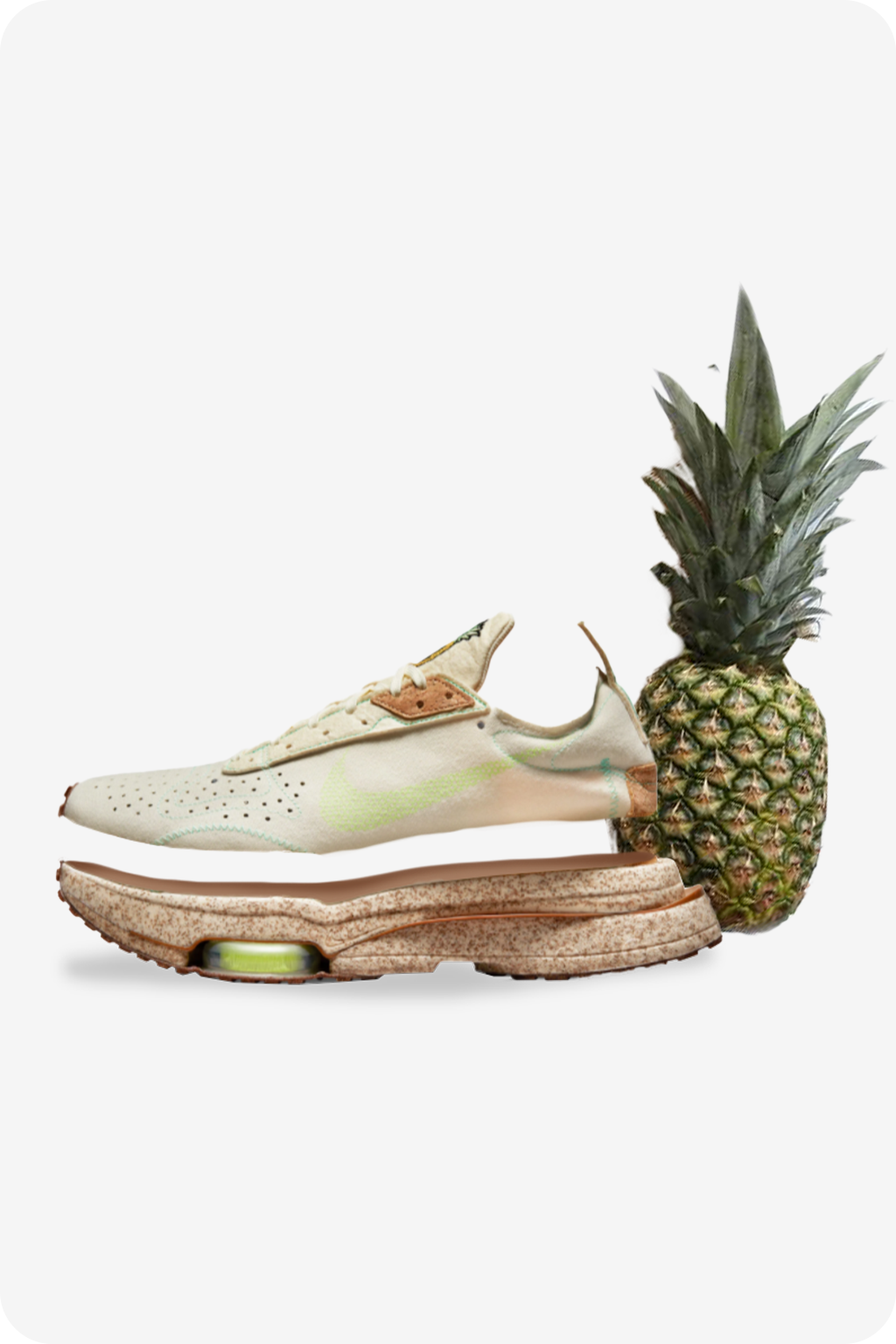
PINEAPPLE LEATHER
Reusing the yearly waste of 40 tons of pineapple leaves. It takes only 16 pineapples to create one square meter of pinatex ®.
Credit: Nike/Pinatex ®
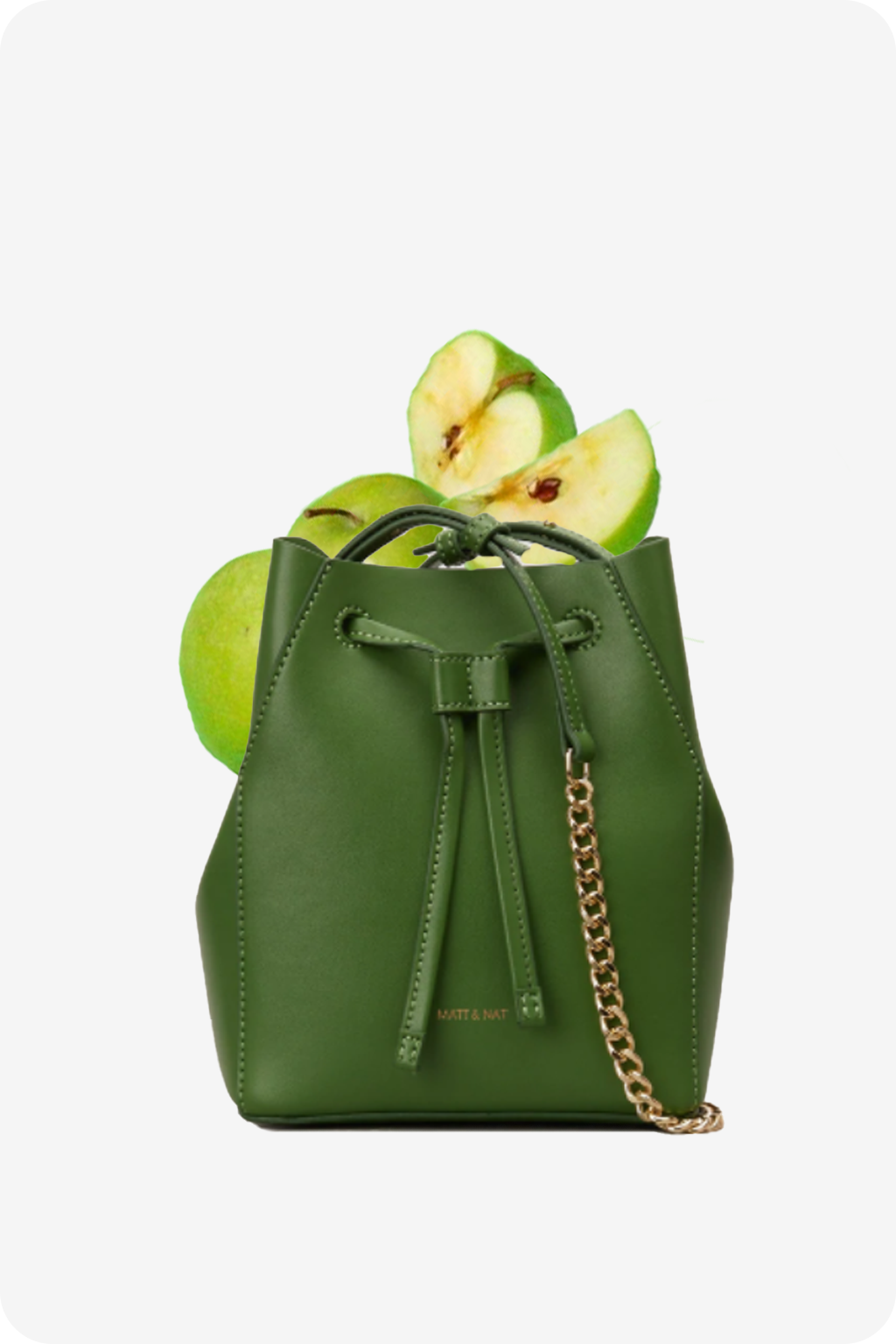
APPLE LEATHER
Repurposing apple skin waste of the food industry. Apple leather is a skin-like material available in a wide selection of colors.
Credit: Matt&Nat
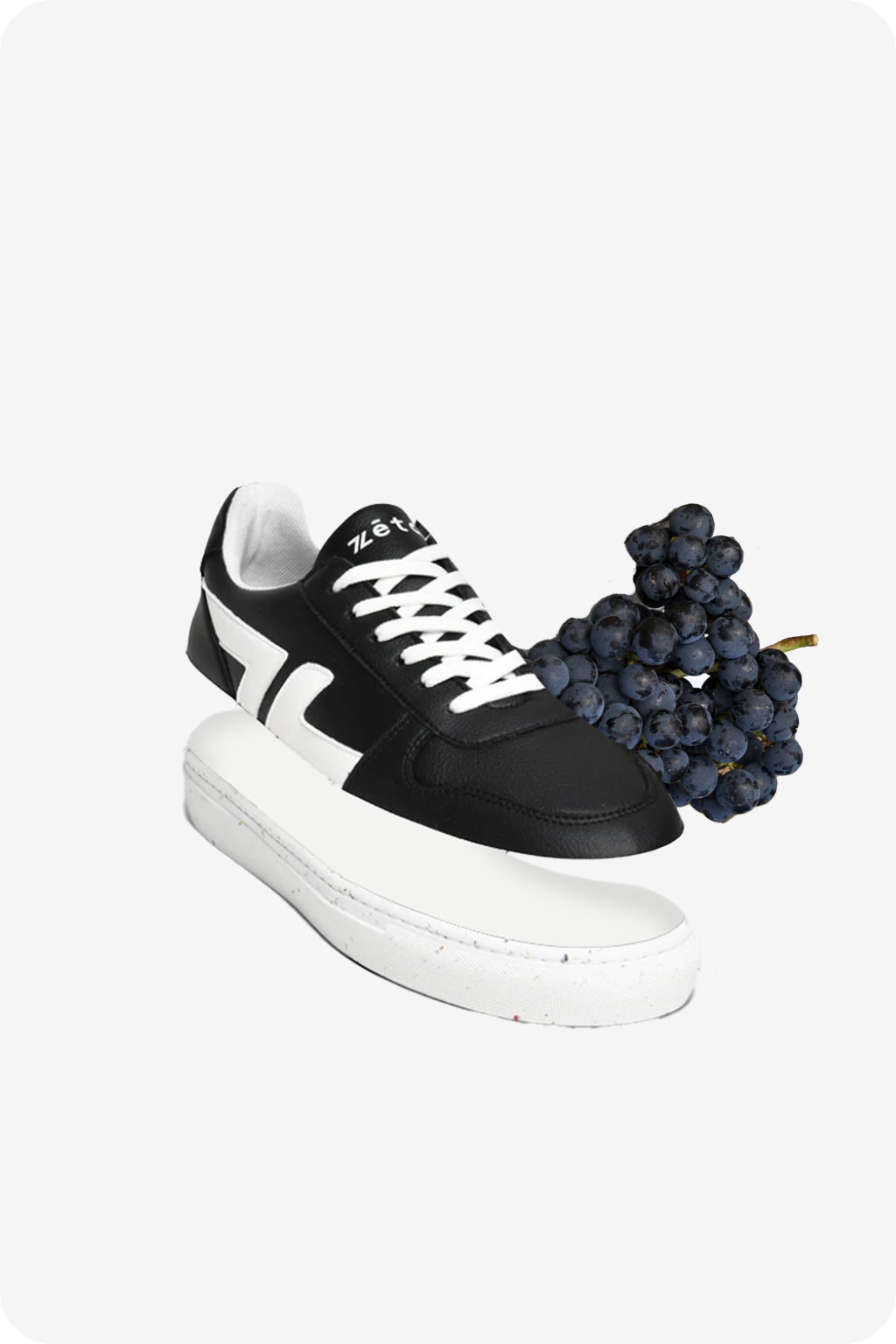
GRAPE LEATHER
Repurposing the 7M tons of yearly wine industry waste. Free from toxic solvents, heavy metals and other harmful substances.
Credit: Zeta Shoes
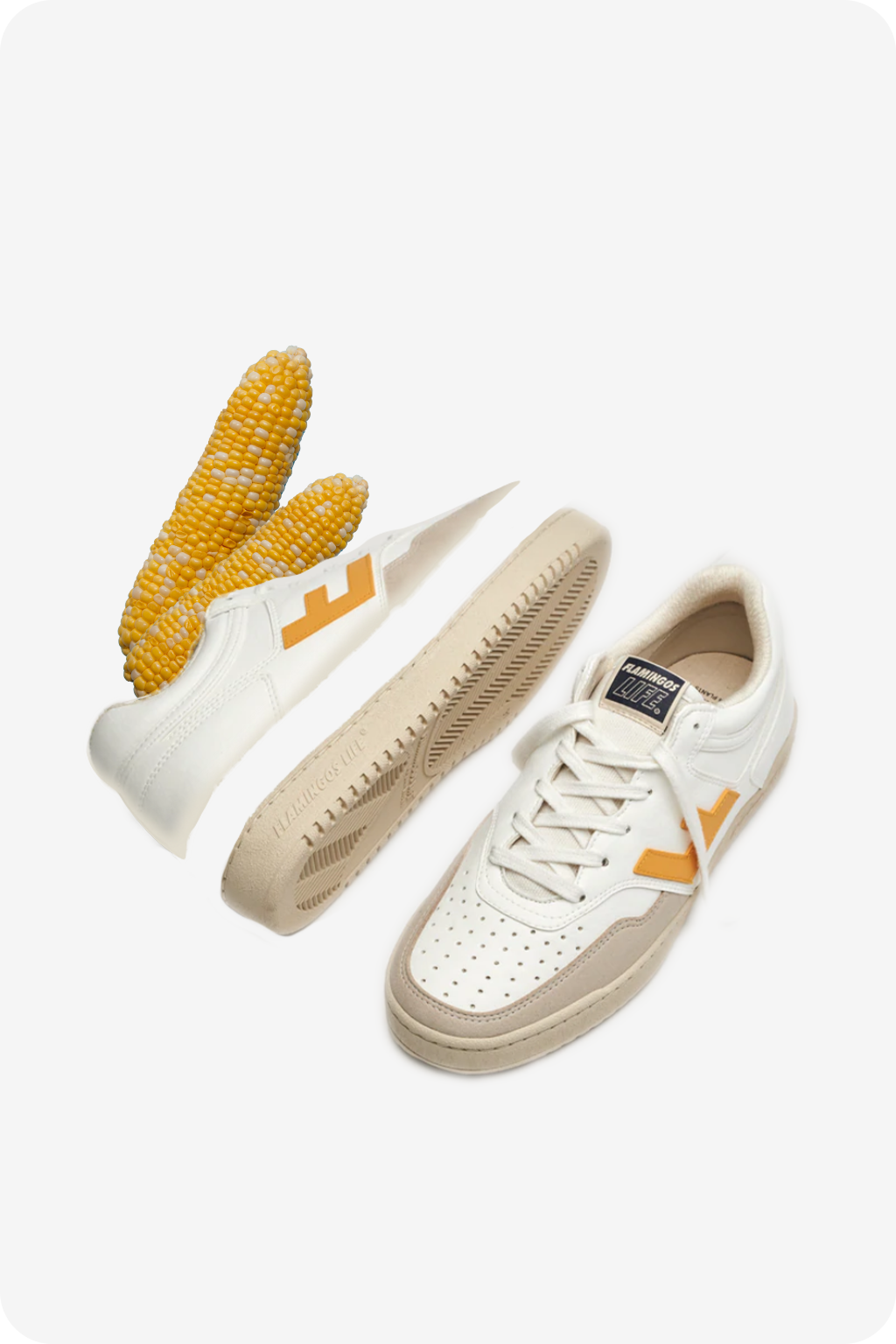
CORN LEATHER
Re-using up to 47% of corn waste from food industry. It has less than 78% of the water consumption and 66% less than the CO2 consumption of animal leather.
Credit: Flamingo's Life
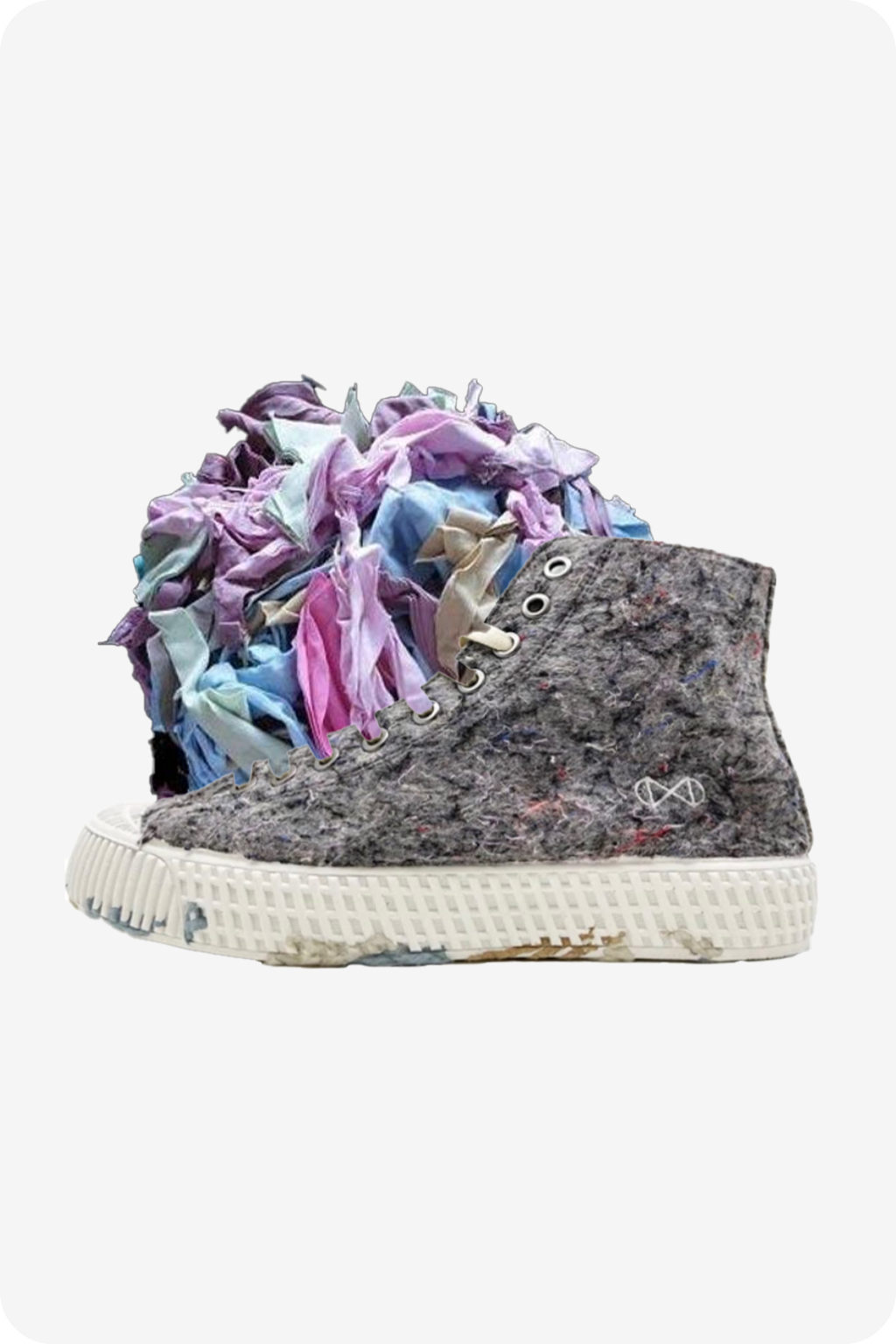
GARMENT & TEXTILES WASTES
Rethinking the 62% of 32 billion produced garments that yearly end up in landfills.
Credit: Nat-2
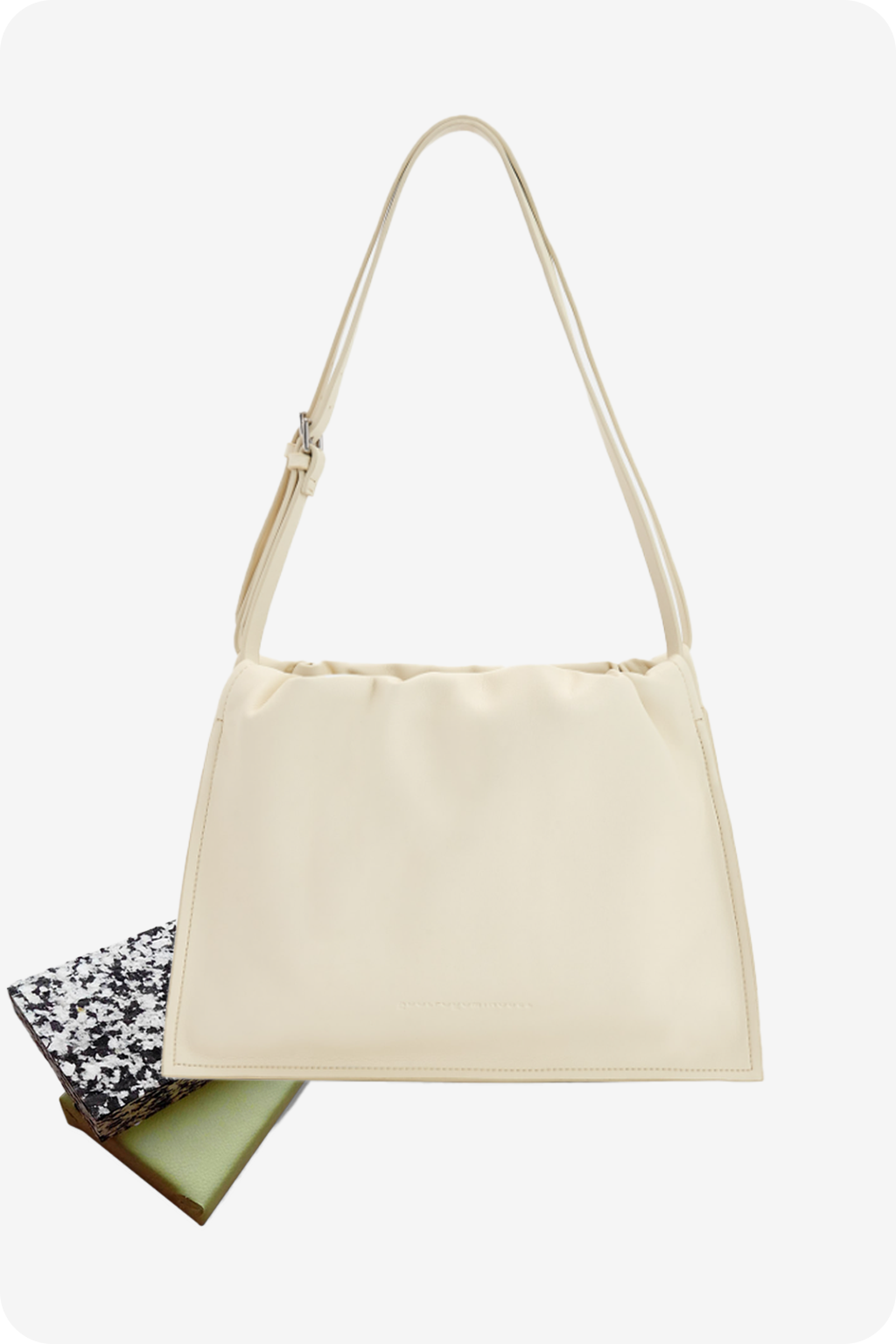
POLYURETHANE WASTE
As of today vegan leather is combined with PU to ensure the durability of the product. Recycling this material reduce pollution across ecosystems.
Credit: Adolfo Dominiguez
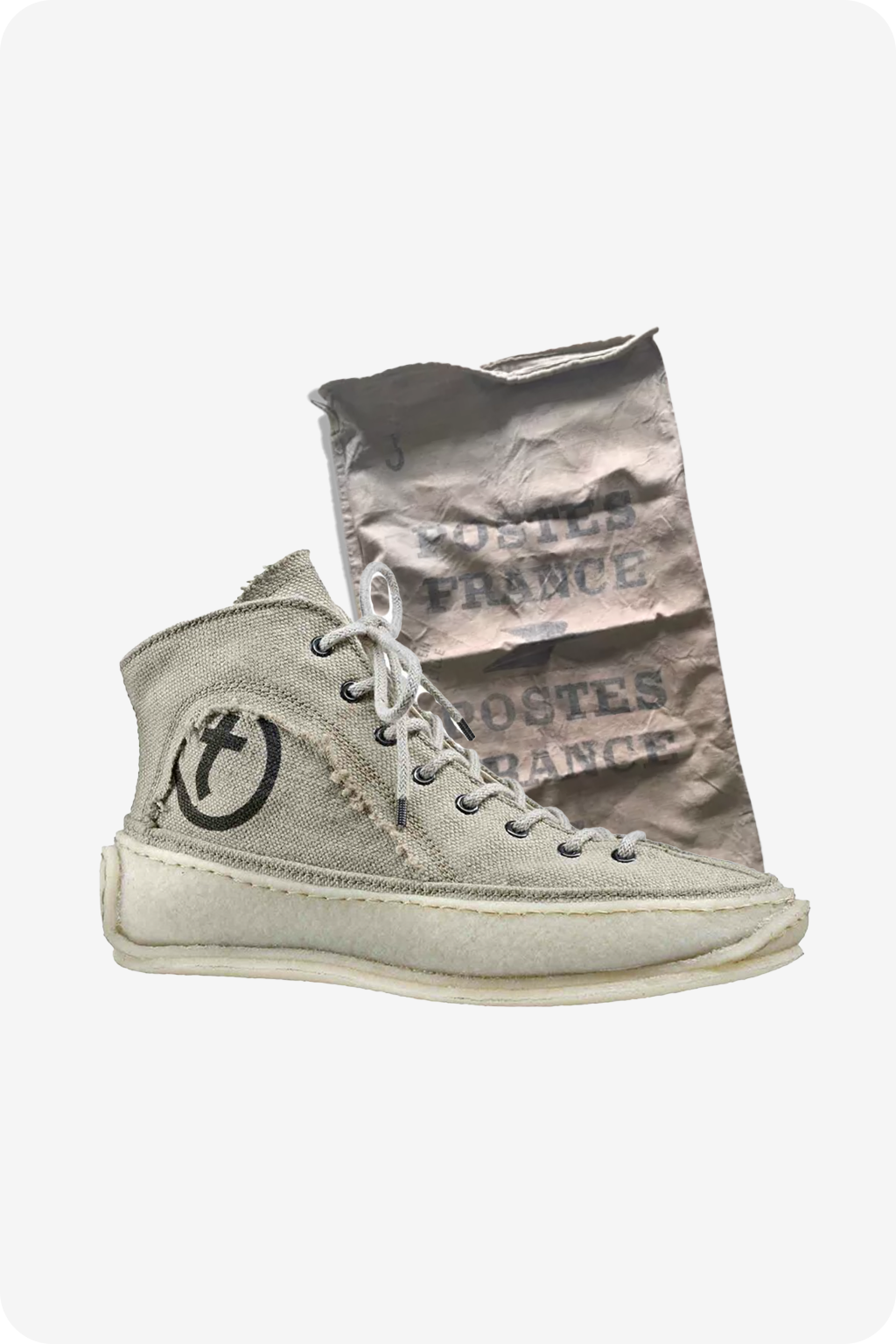
OLD MAILBAGS
Repurposing old mailbags of thick linen to create a resistant style that is 98% biodegradable.
Credit: Trippen
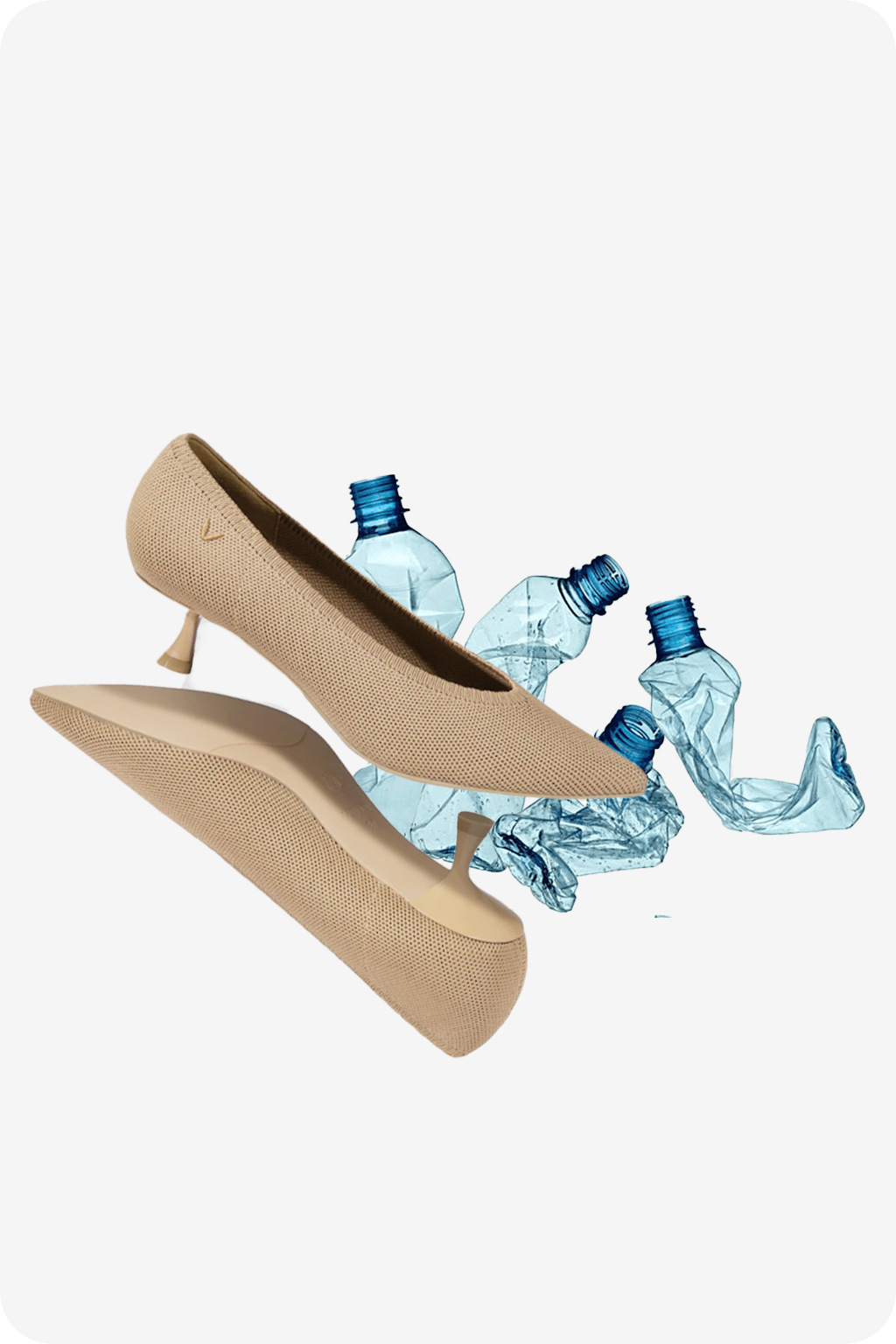
PLASTIC BOTTLES
Yarn to repurpose plastic bottles that end up in landfills every year as 80% of production.
Credit: Vivaia
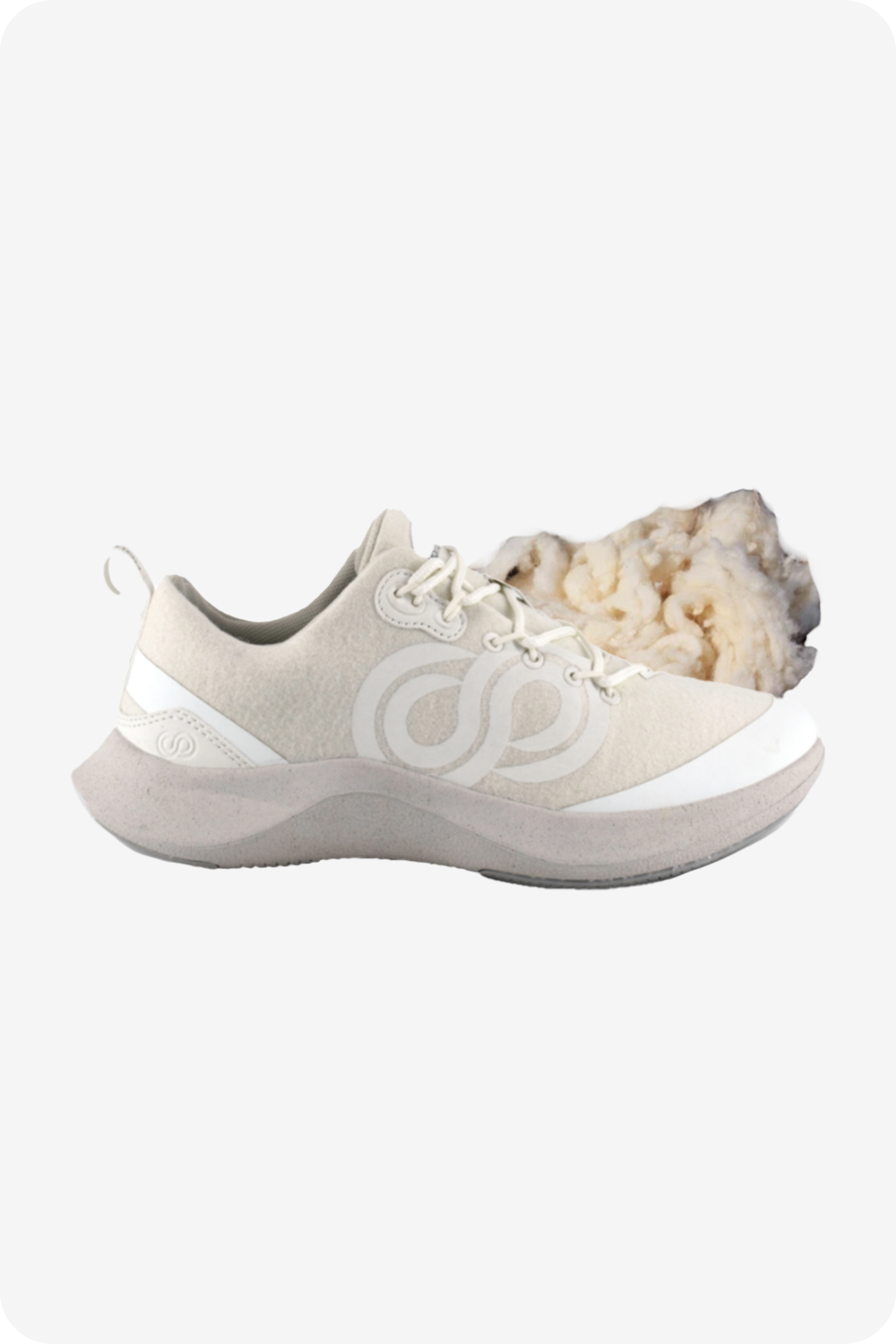
MERINO WOOL
Merino Wool is a natural and trackable material. The wool is certified by companies who are working with transparency and responsibility.
Credit: ACBC
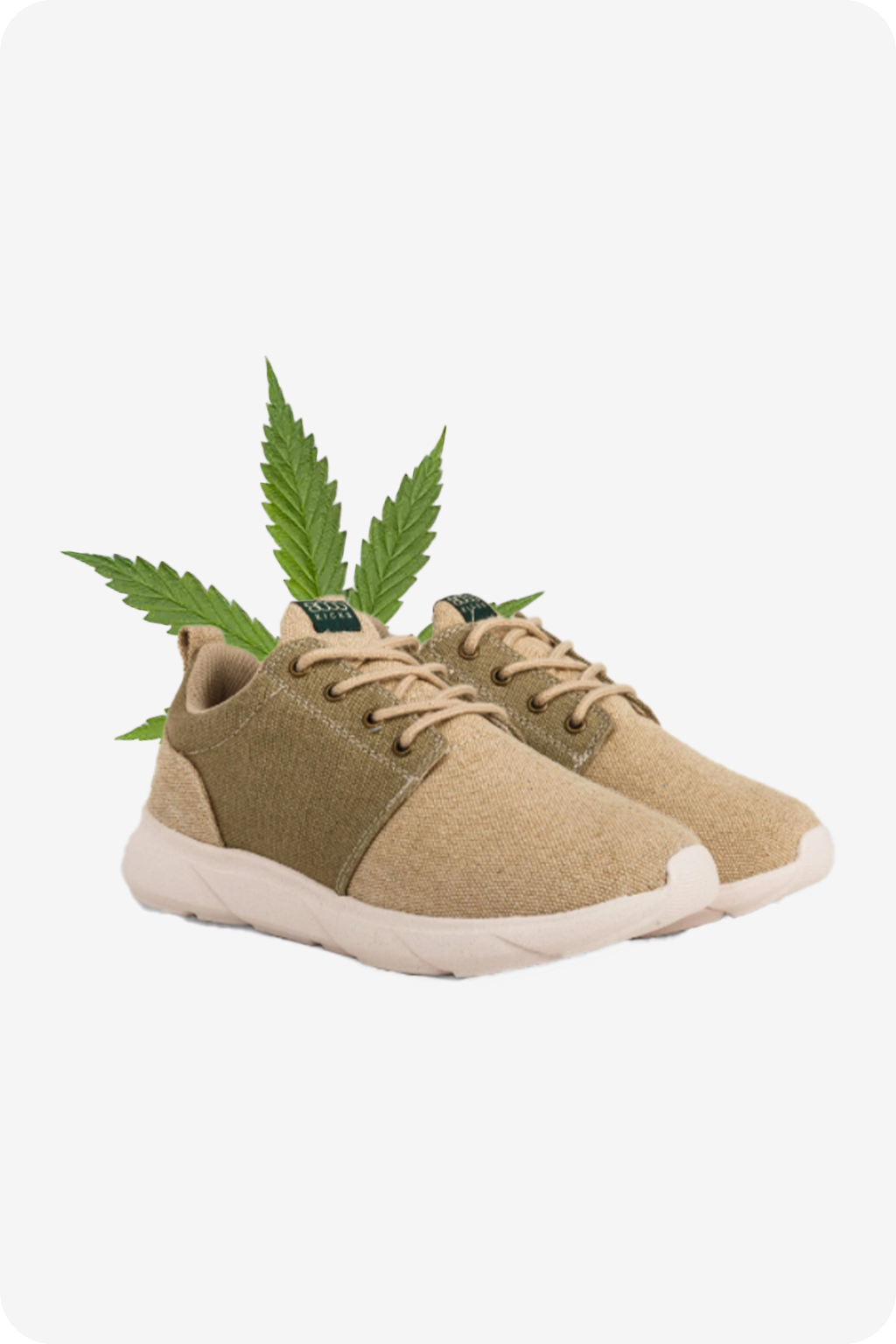
HEMP FIBER
Hemp is more abudant and water saving than cotton. Without fertilizers it cleans and restores nutrients in the soil.
Credit: 8000 Kicks
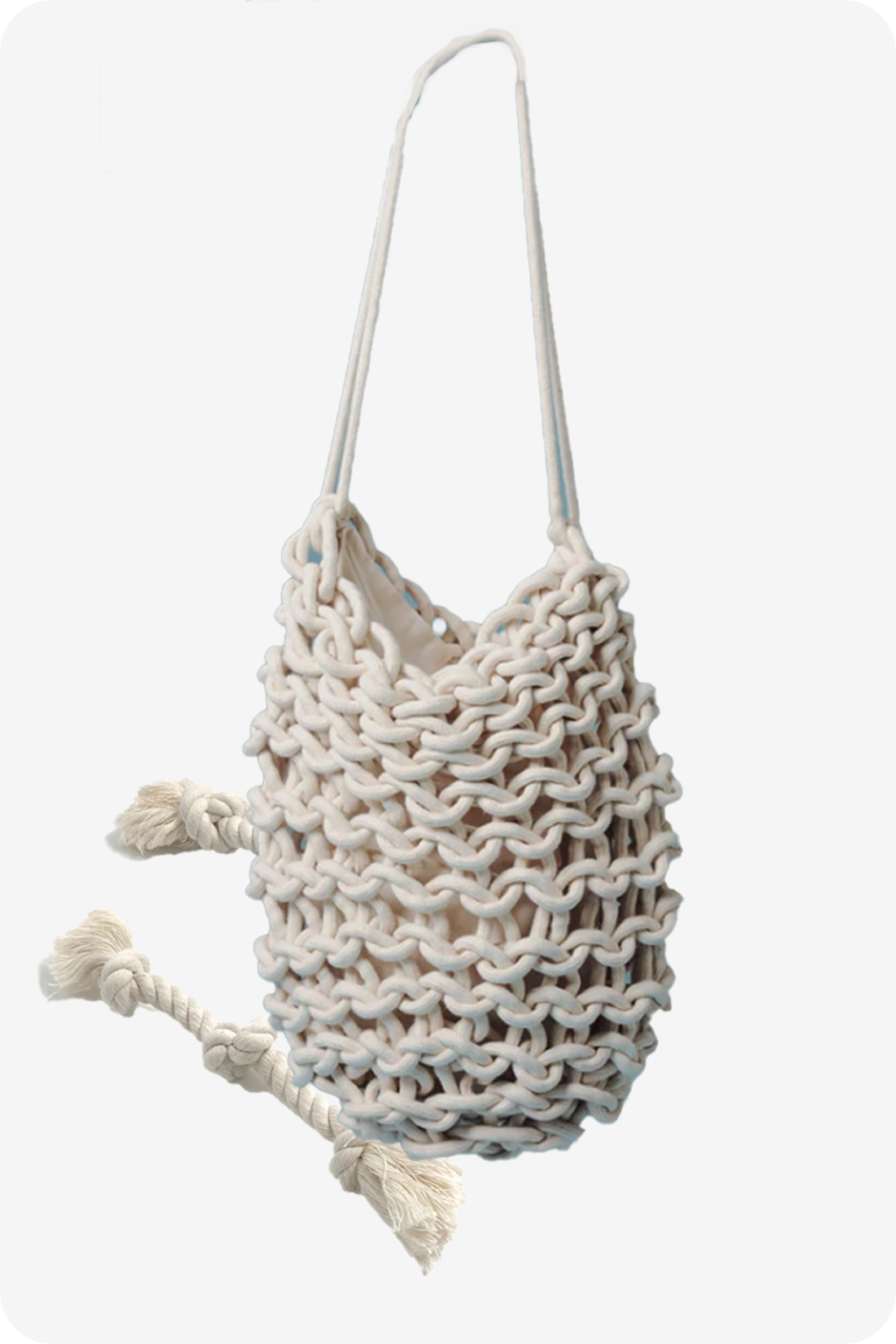
ORGANIC ROPES
Handwoven bag realized with organic ropes that ensure a thick and durable structure completely eco-friendly.
Credit: Alienina
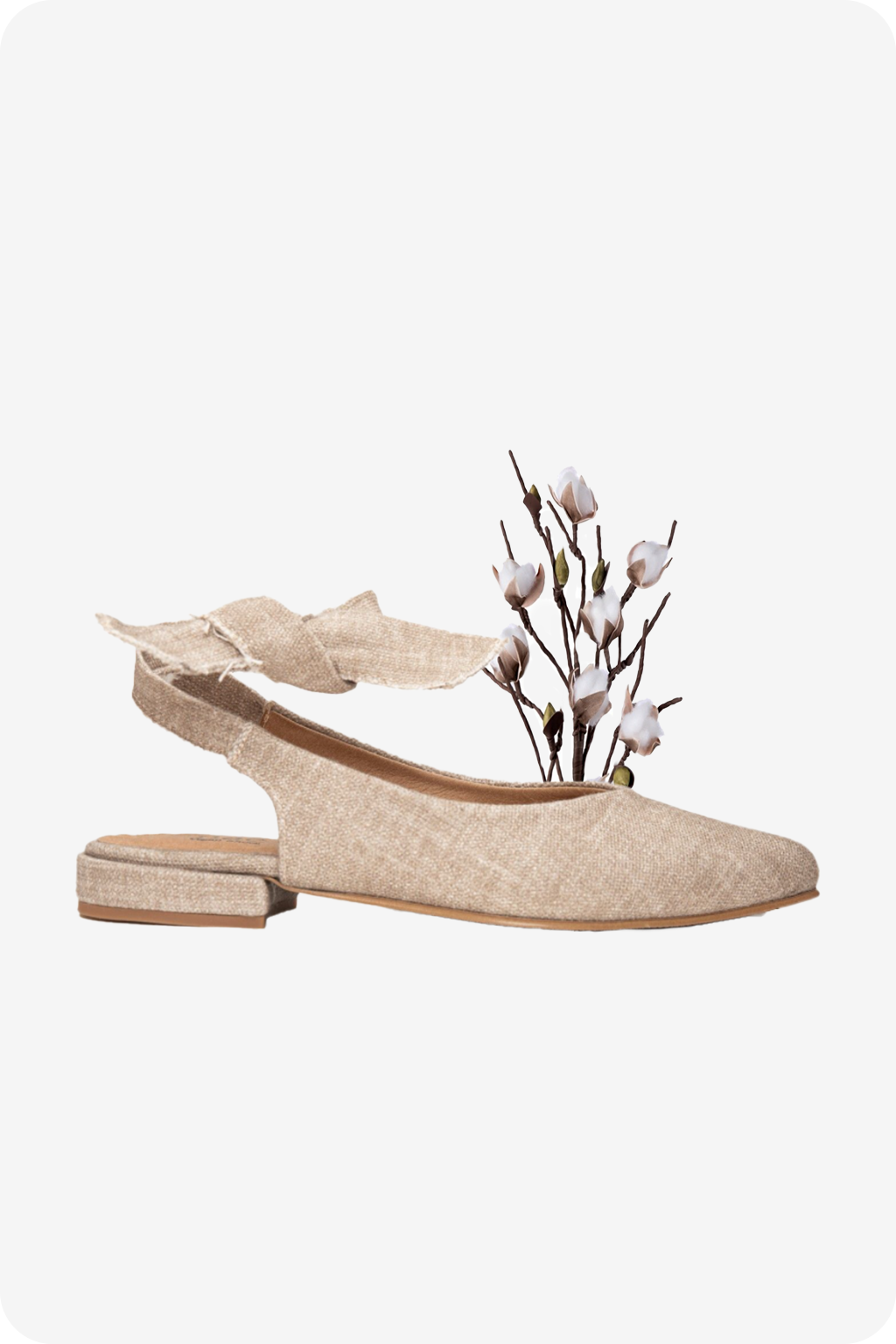
ORGANIC COTTON
Organic cotton uses fewer chemicals and is GMO free. It biodegrades without producing toxines that are toxic for the environment.
Credit: Nae Shoes
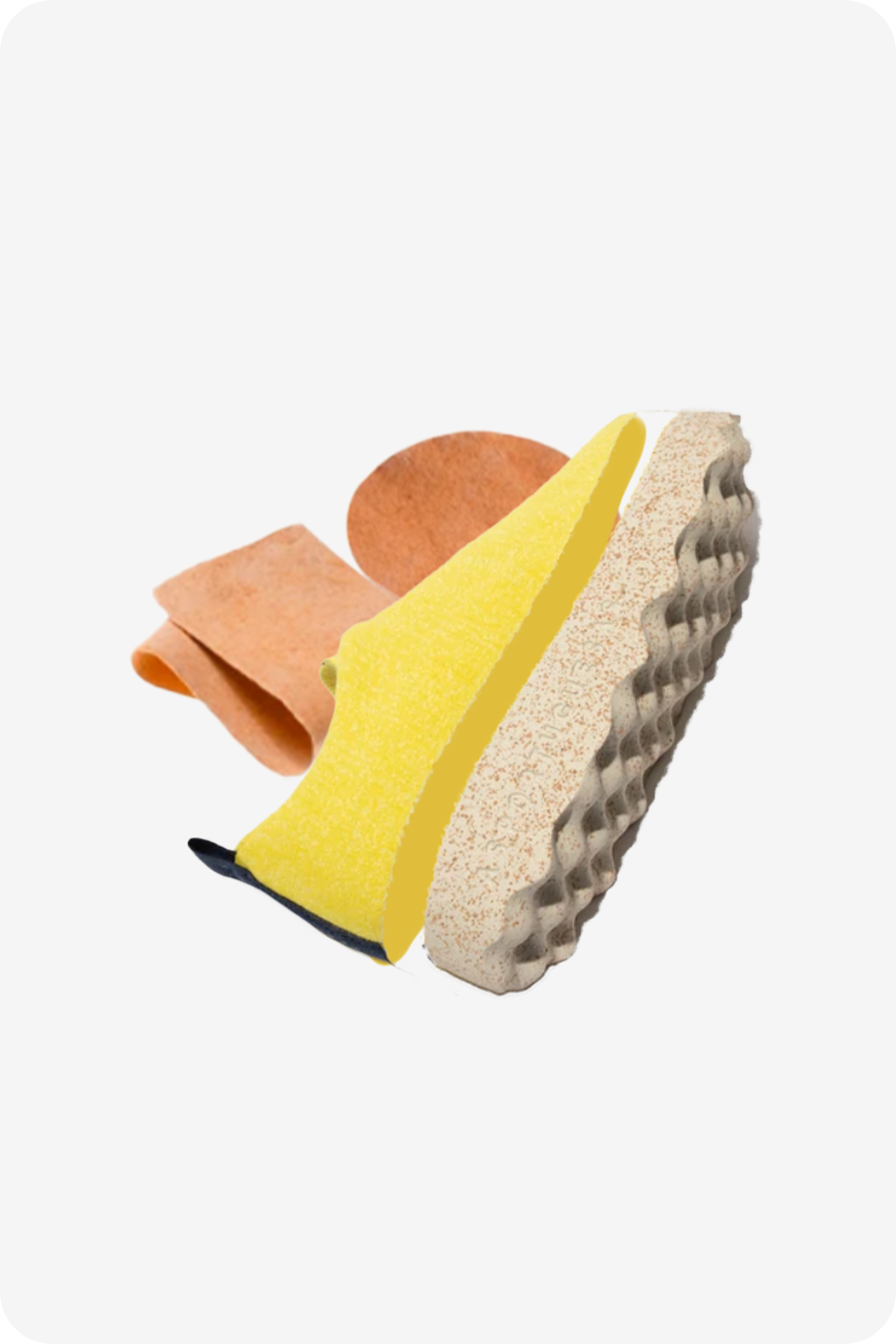
CORK
A completely sustainable solution to plastic soles. It has a natural resistance to moisture and liquids and absorbs vibrations for bounce and flexibility.
Credit: Asportuguesas
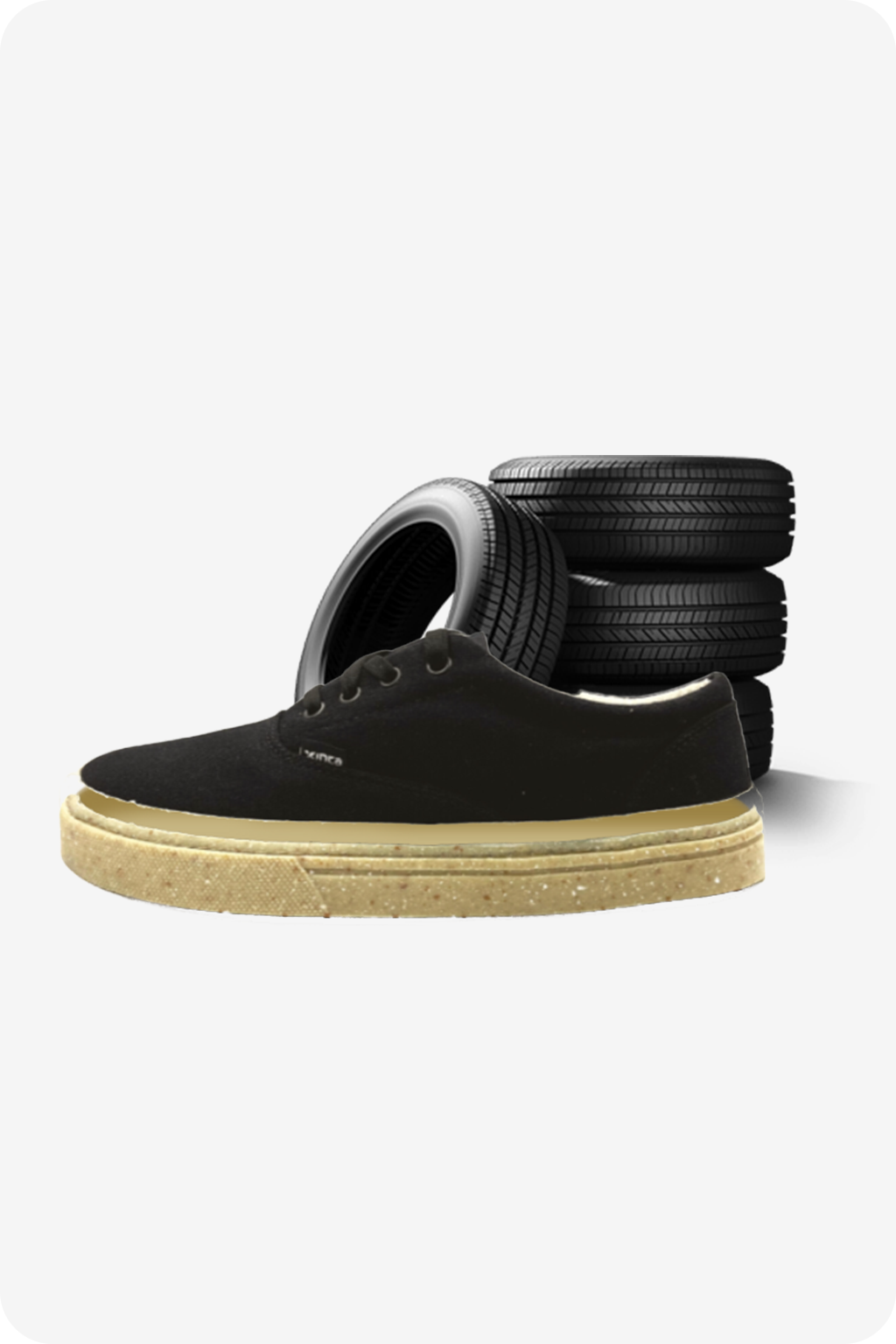
RECYCLED TIRES
1.3 billion tires are produced every year and take 600 years to degrade. This recycled material has great abrasion and mechanical resistance.
Credit: Xinca Shoes
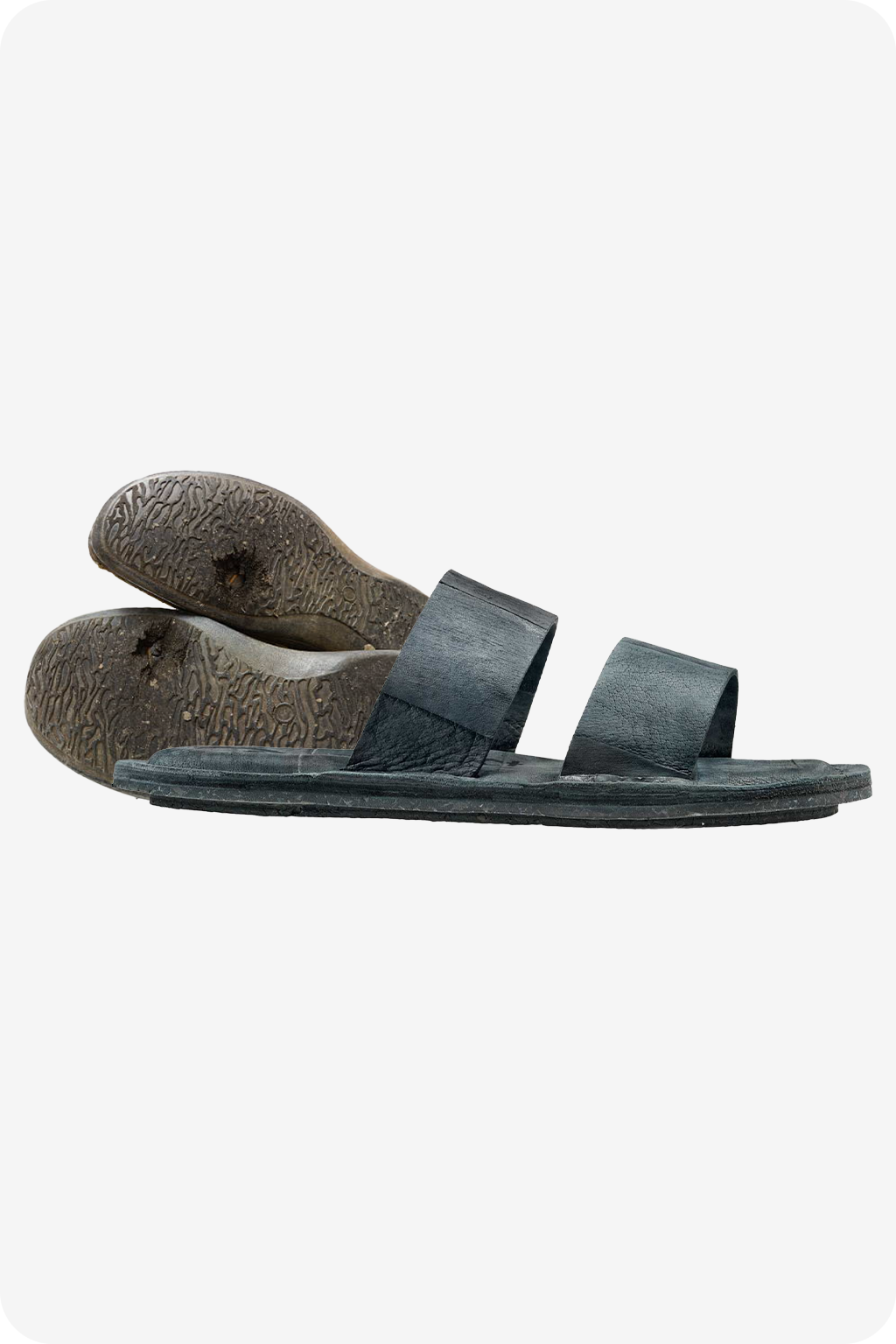
OLD SOLES
Re-processing old rubber soles. Over 18 tons of old soles from repair workshops can create this style, which maintains equal sole performance.
Credit: Trippen
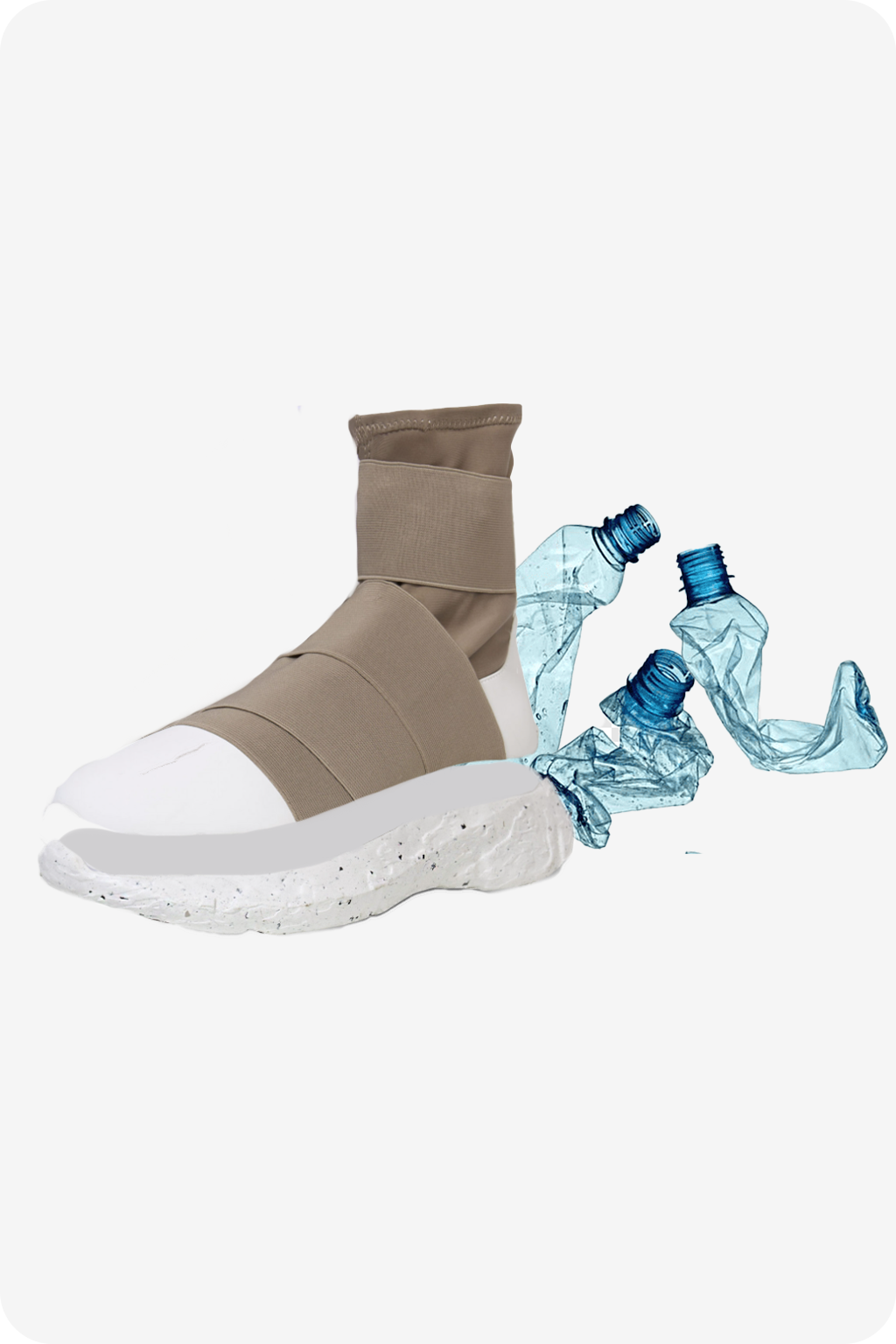
RECYCLED FOAM
51% of its formula is made out of industrial waste. A stable and flexible sole material for elevated comfort.
Credit: Fessura/Xl Extralight Sustainable+
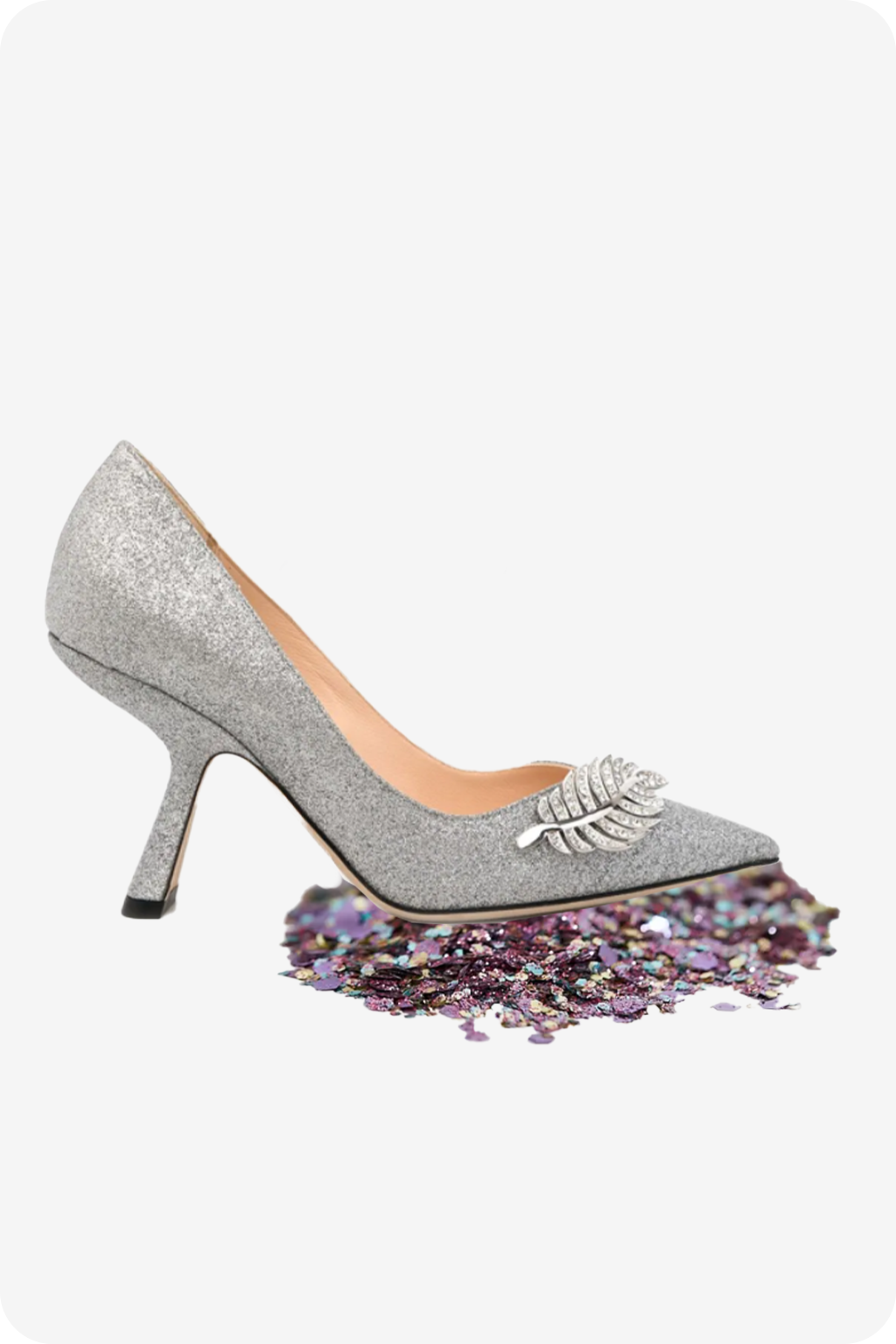
BIODEGRADABLE GLITTER
A certified plant-based and chemical free glitter that biodegrades up to 90% in 6 months.
Credit: Nicholas Kirkwood
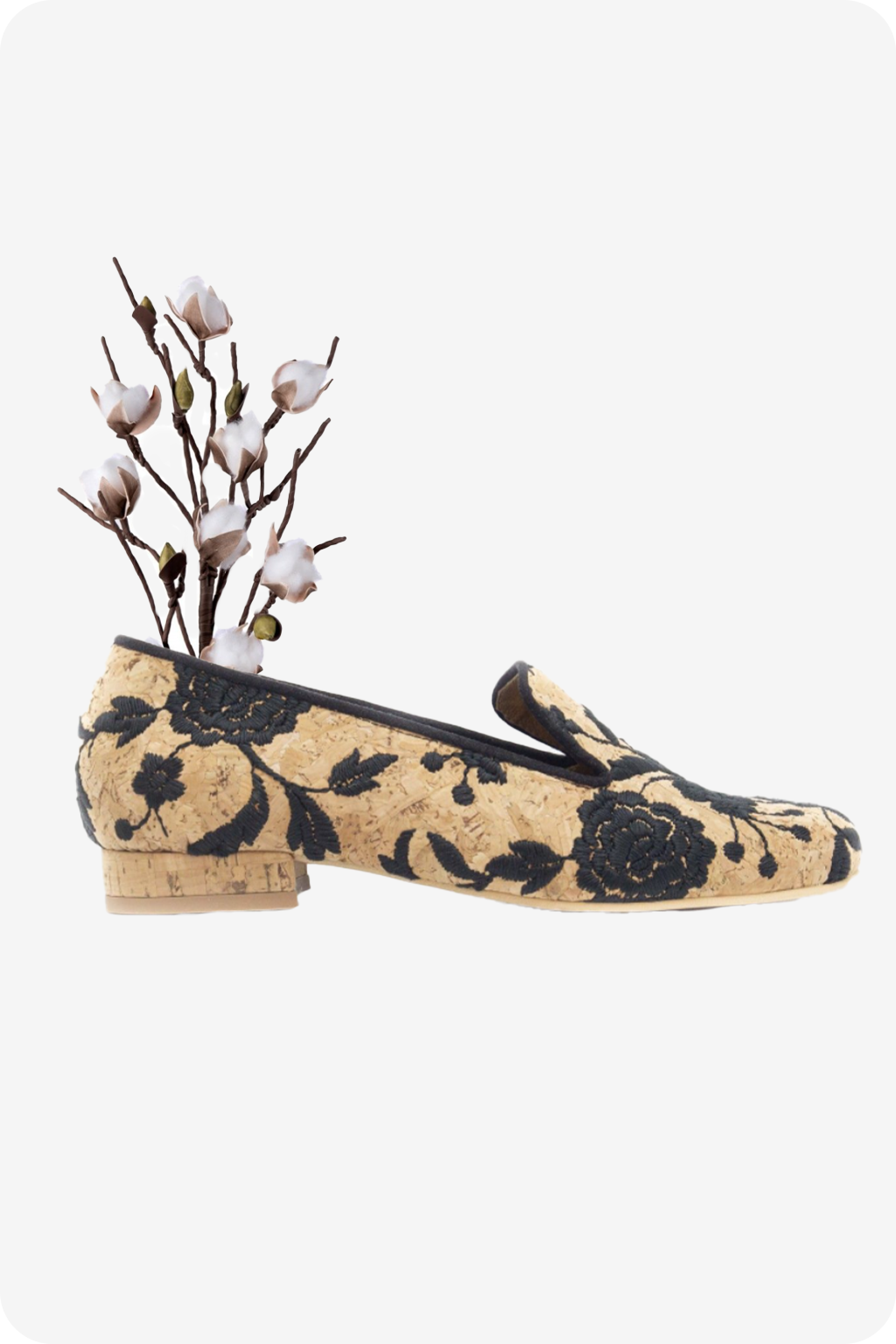
ORGANIC COTTON EMBROIDERY
Organic and plastic free choice for embroidery.
Credit: Nae Shoes
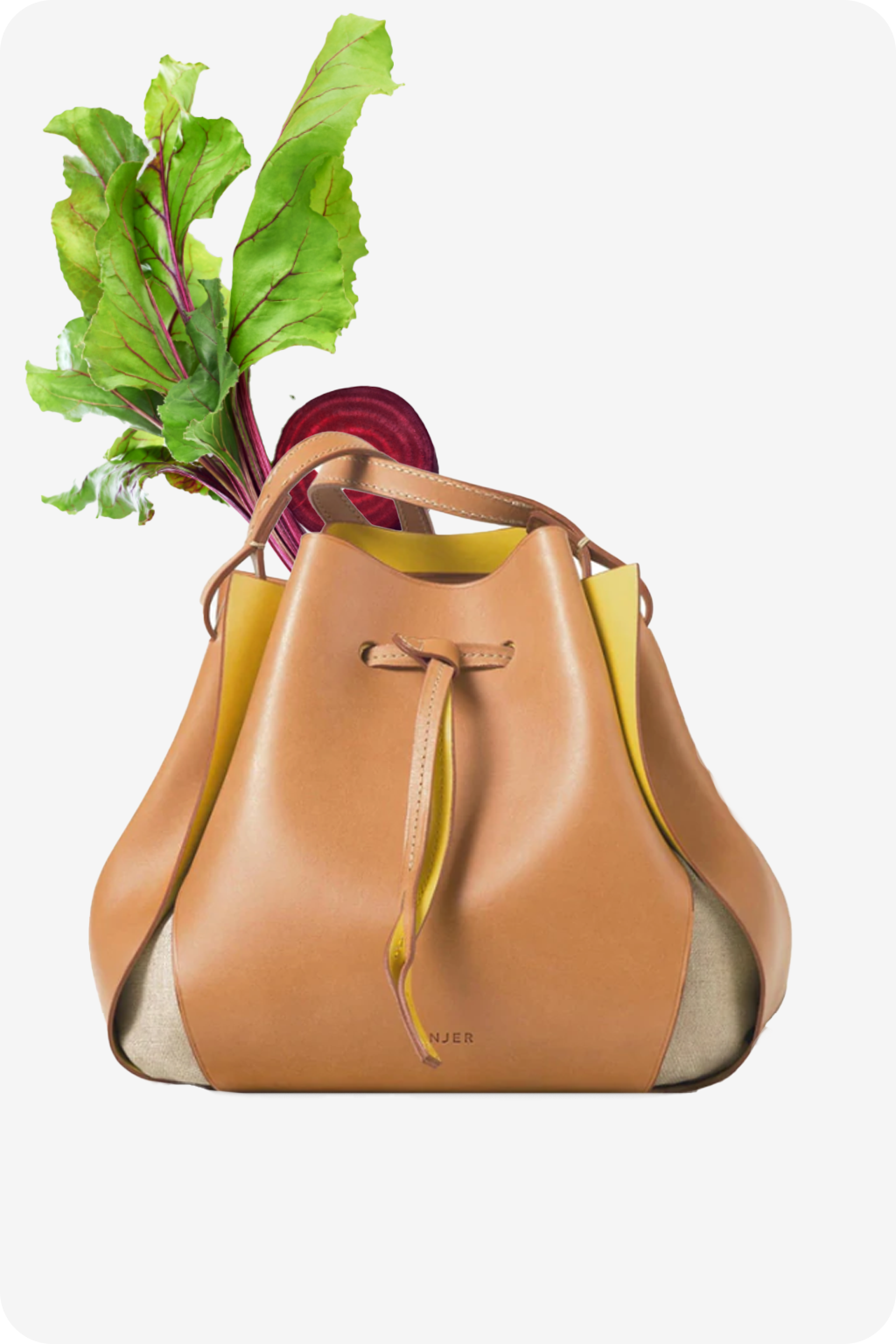
VEGETAL TANNING
Less polluting, chrom-free, natural dyes from barks and leaves of certain plants.
Credit: Linjer
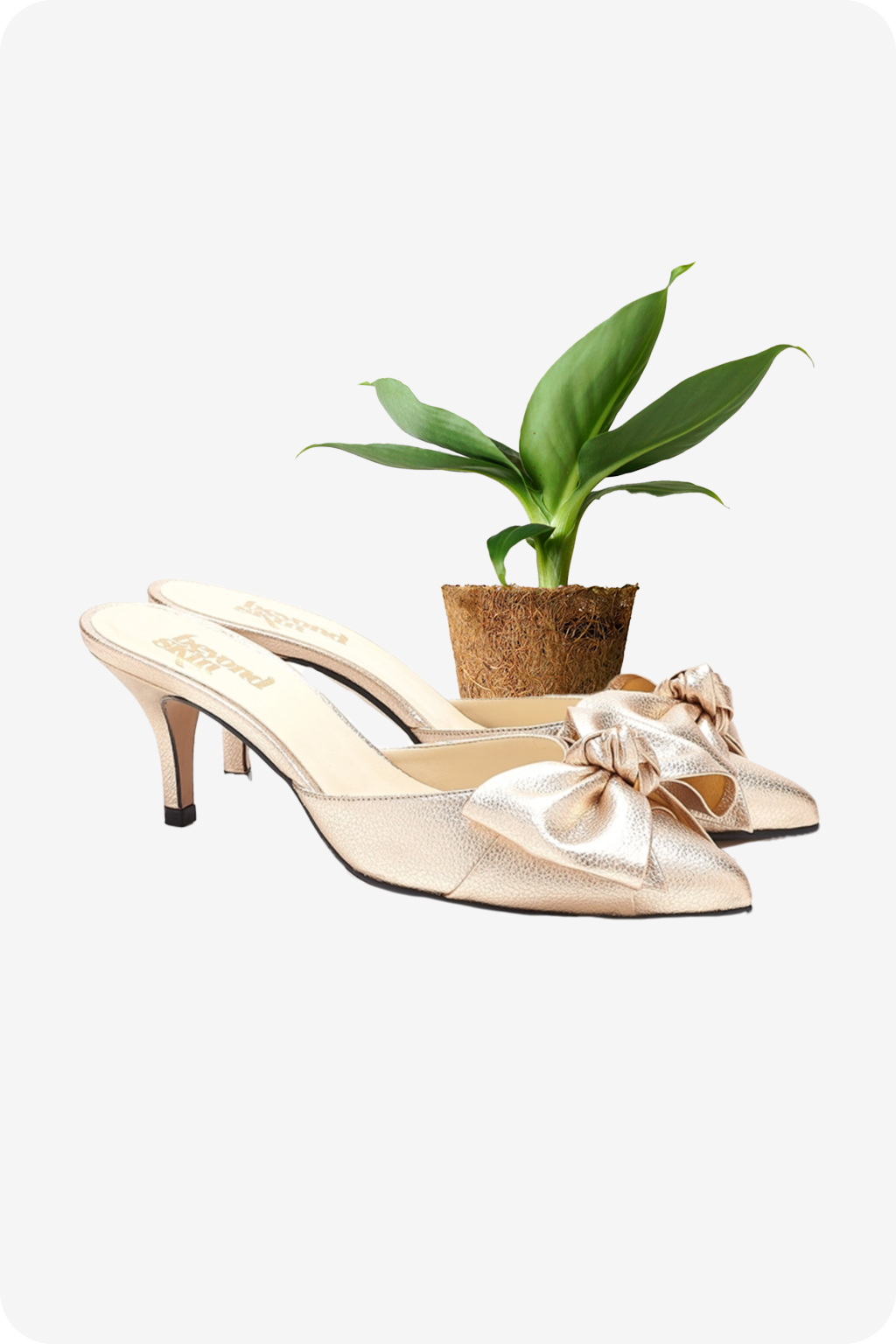
PLANT-BASED COATING
Chrome-free vegetable polymer coatings.
Credit: Beyond Skin
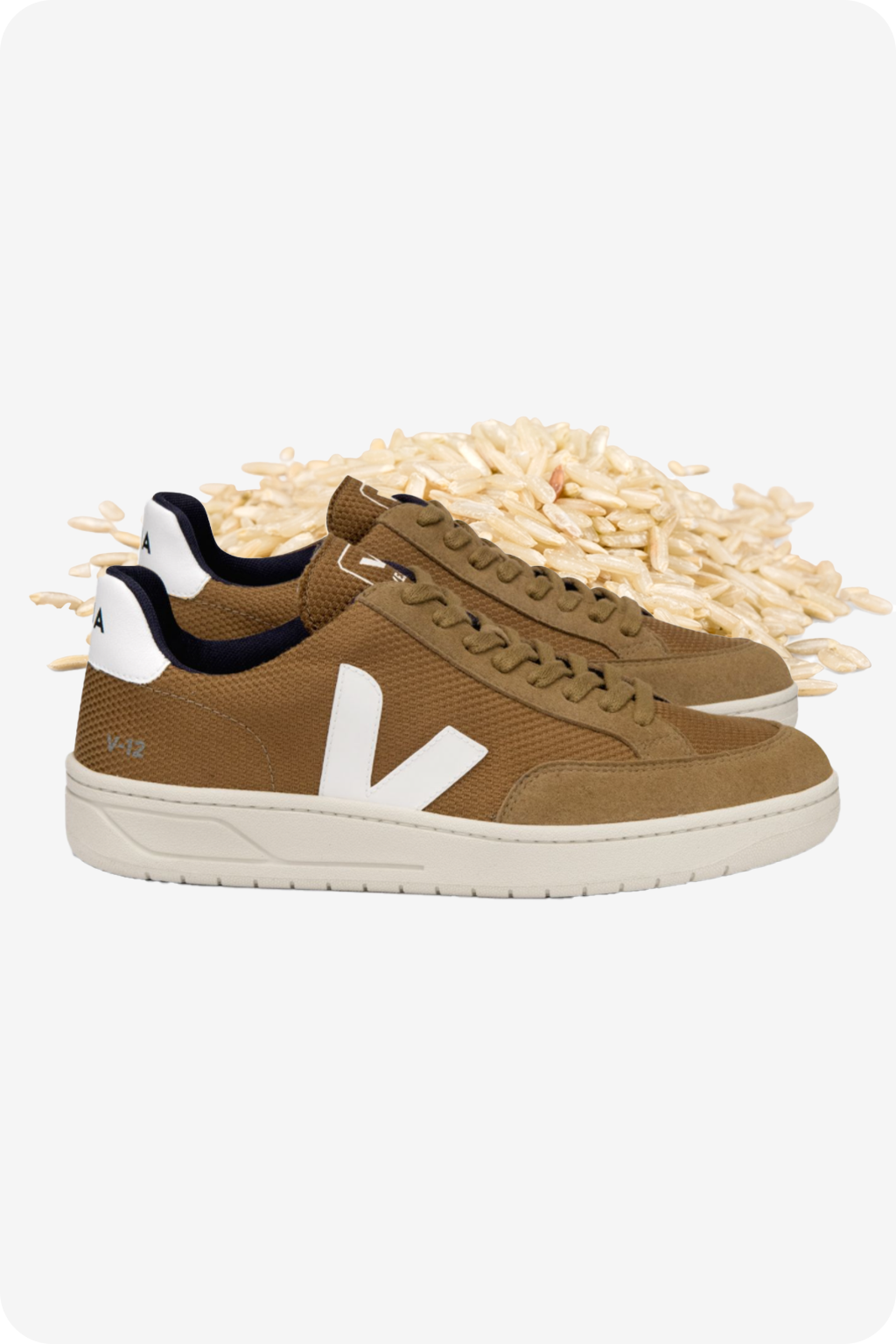
RICE WASTE TAG
Rice waste and rubber can be used to create the logo tag.
Credit: Veja
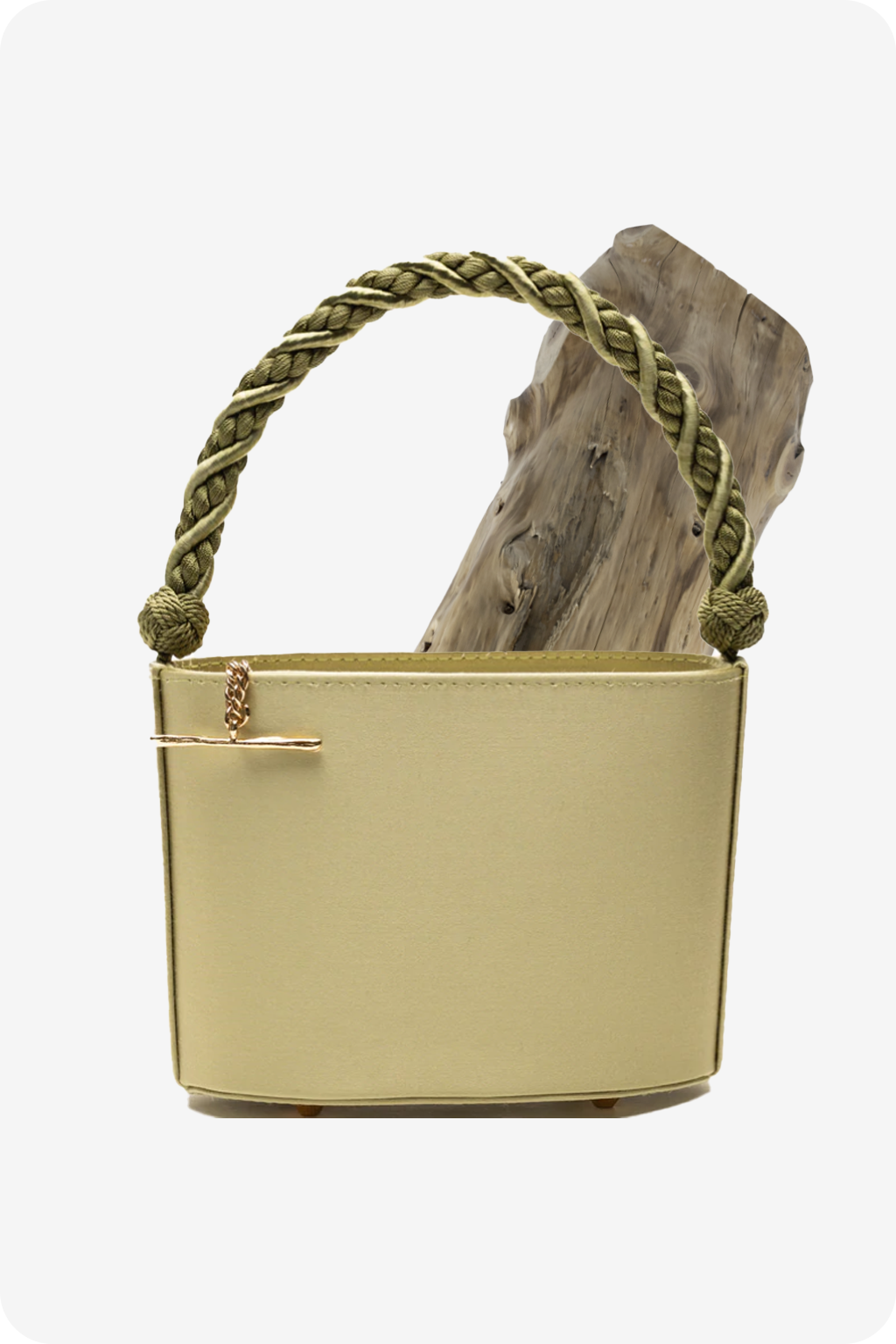
SUSTAINABLE VISCOSE HANDLE
Handle can be made from sustainably sourced viscose from FSC certified forests.
Credit: Mashu
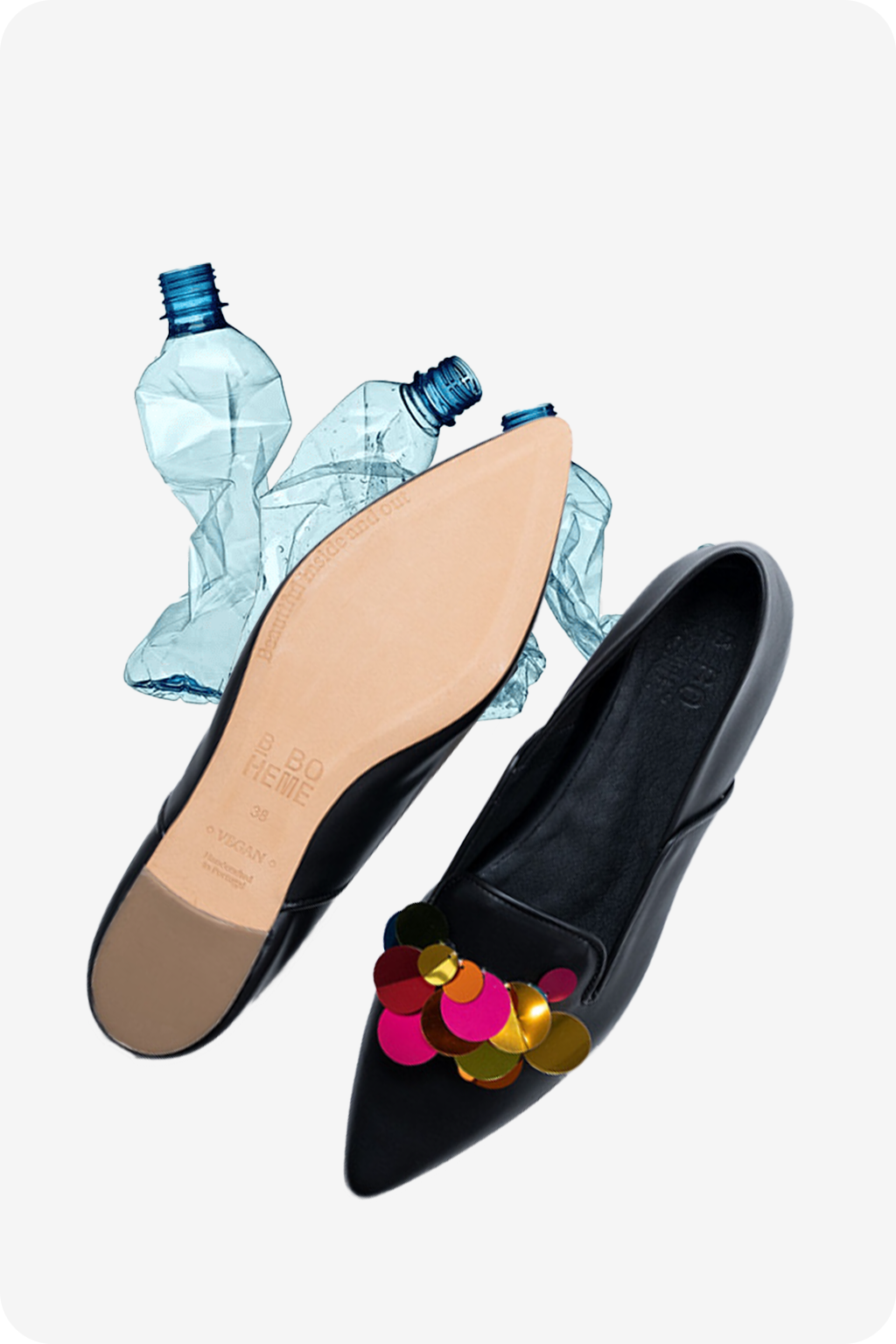
RECYCLED SEQUINS
Sequins can be made from 20% of recycled PET.
Credit: Bboheme
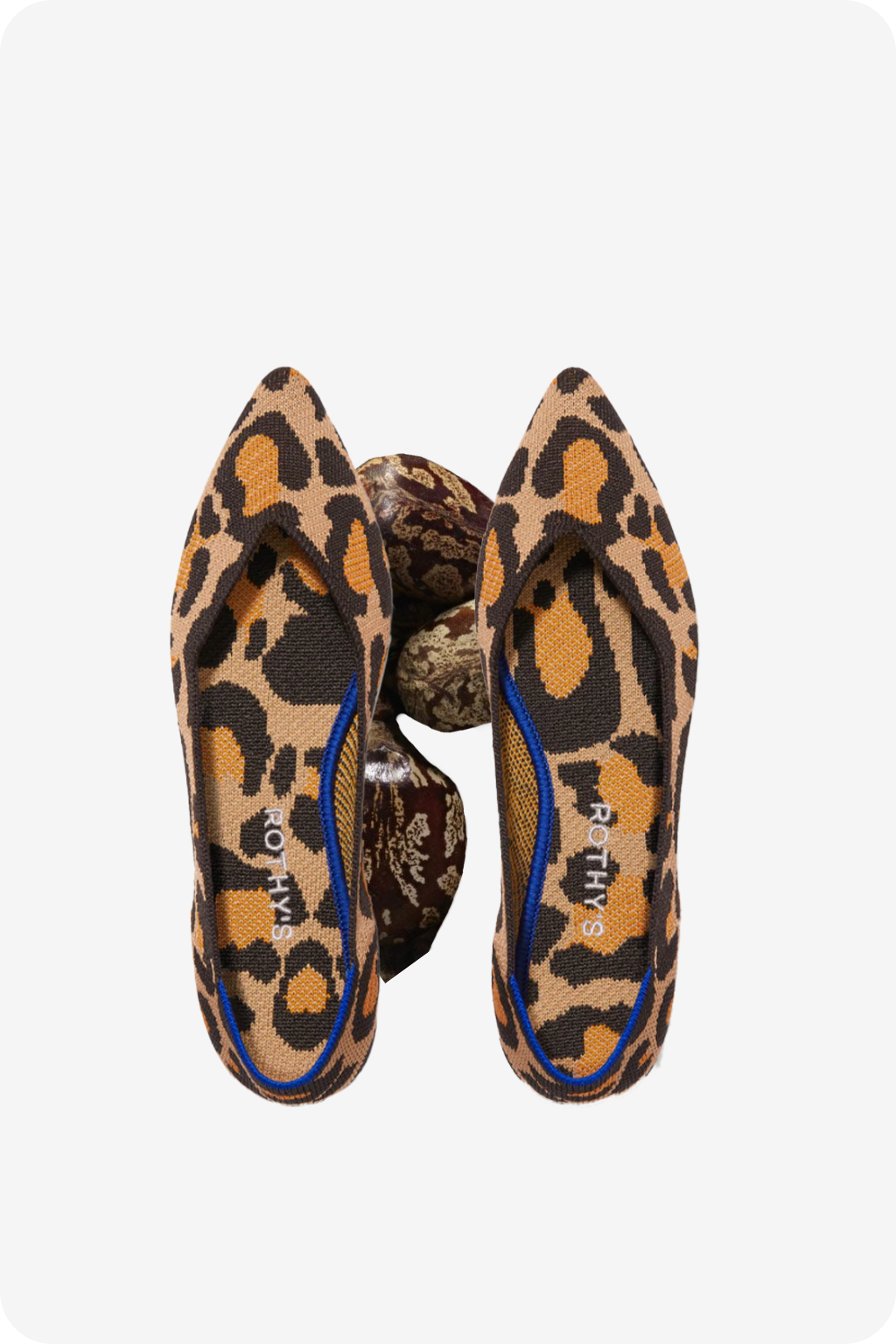
CASTOR OIL INSOLE
Insole crafted with a bio-based PU from castor oil.
Credit: Rothy's
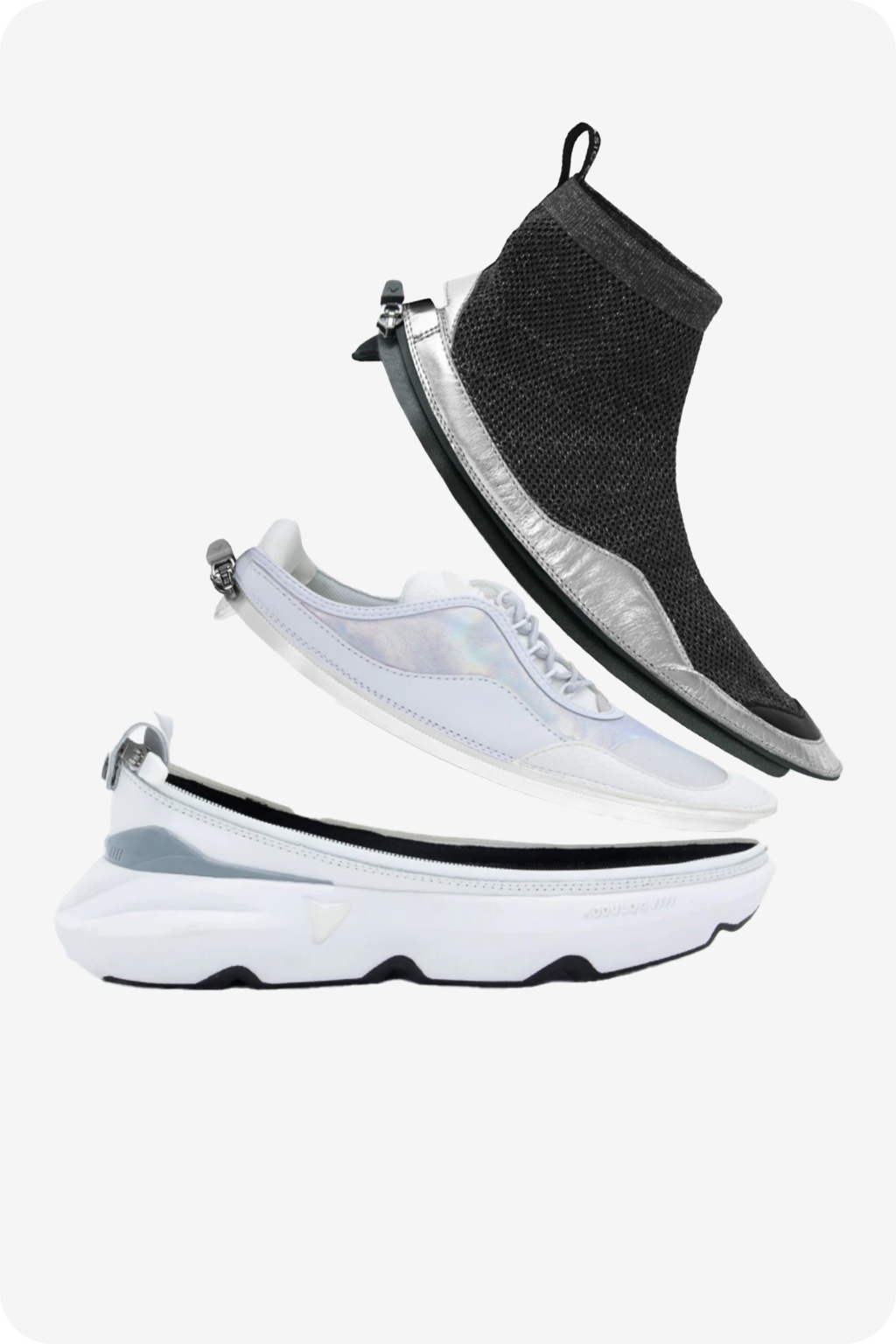
ZIPPABLE SHOE
Design different styles based on exchangagble shoe bodies and soles.
Credit: ACBC
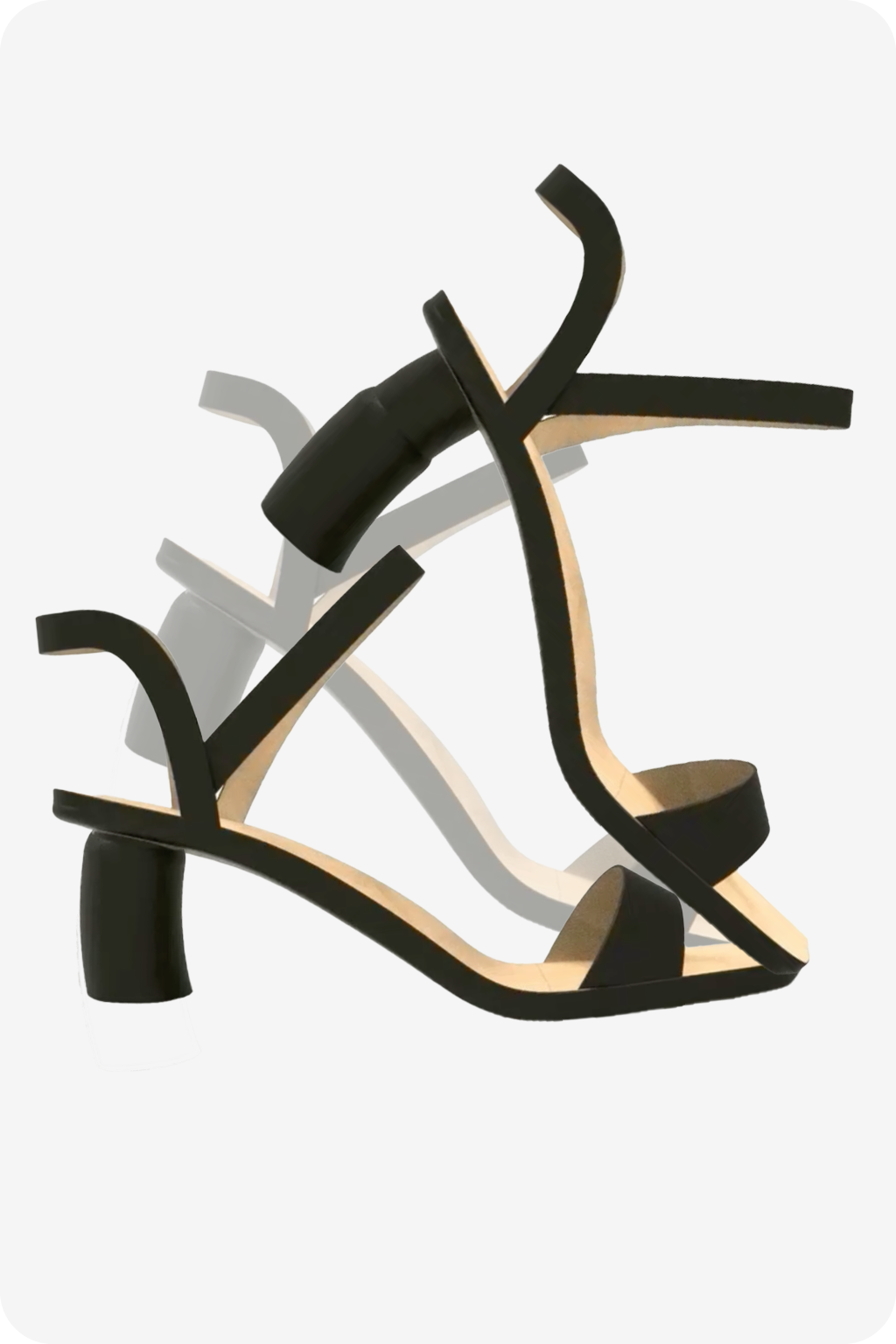
EXTENDABLE HEELS
Adjust the height of the heel in one click to make shoe multi-occasional.
Credit: Trilly
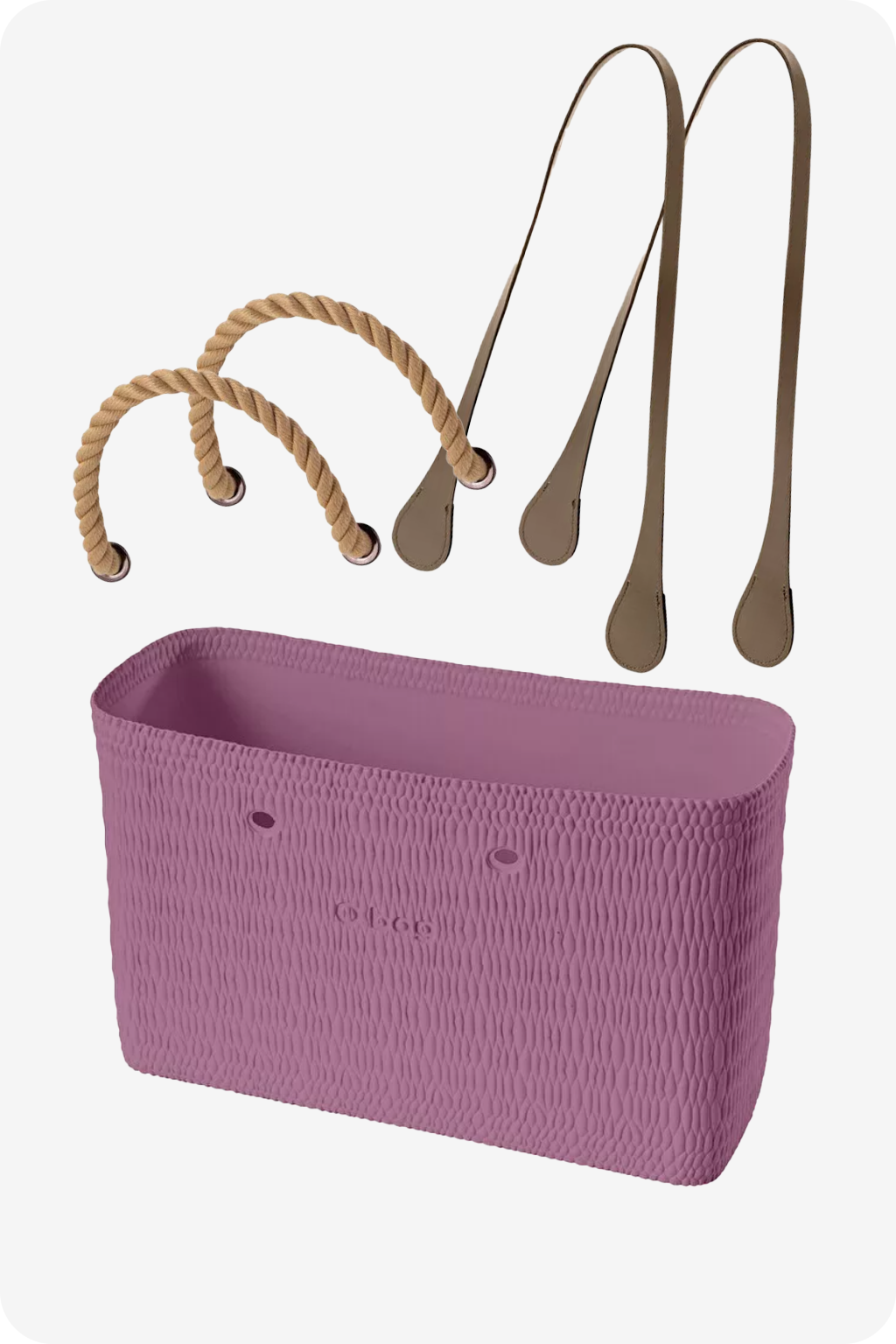
EXCHANGABLE HANDLES
Style the bag with different handles to fit in different aesthetic.
Credit: OBags
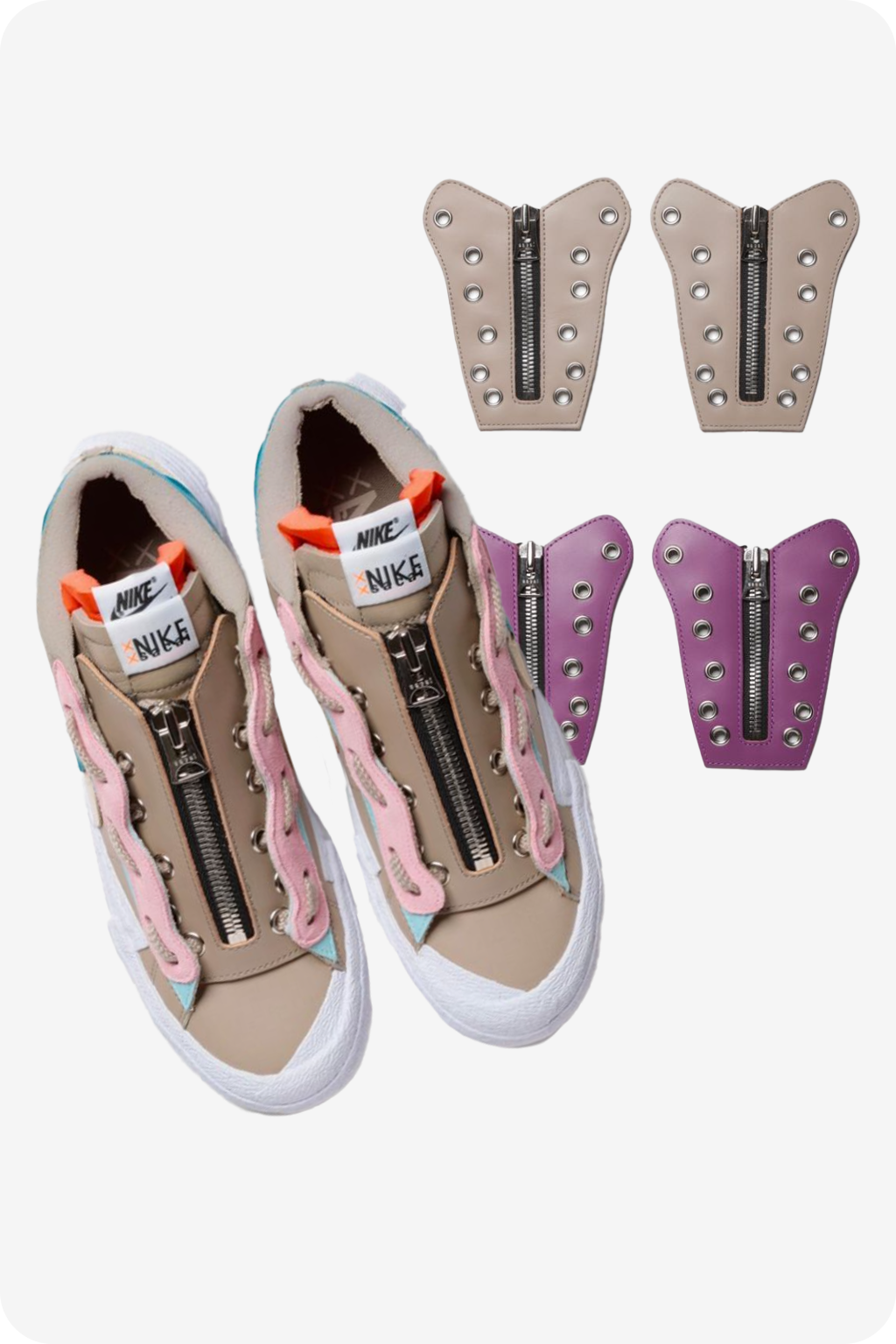
EXCHANGABLE FASTENINGS
Get creative with color combinations to re-invent the sneaker periodically.
Credit: Sacai x Nike
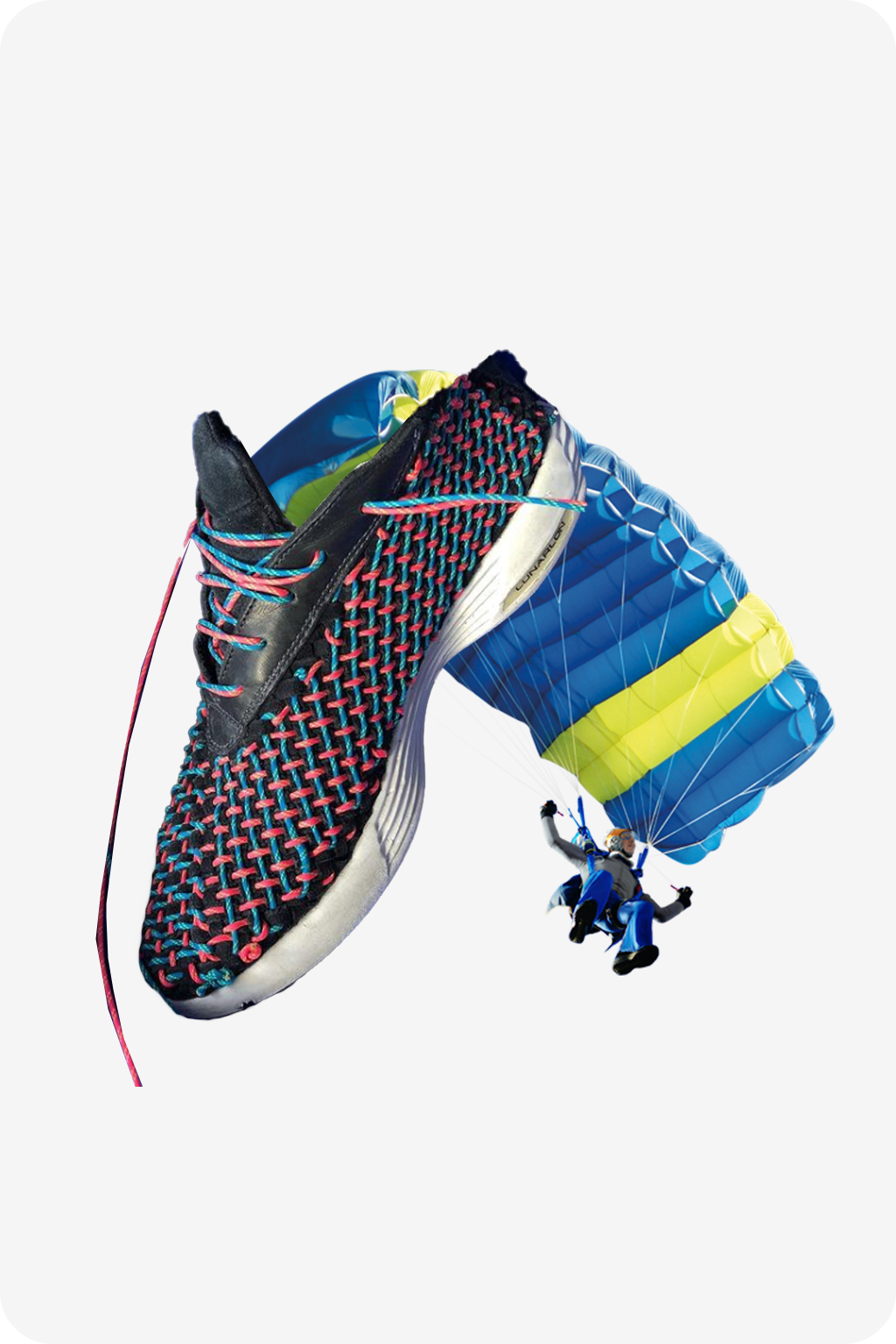
PARACHUTE ROPES
Re-purpose an outdoor element to decorate your sneakers.
Credit: @hagel
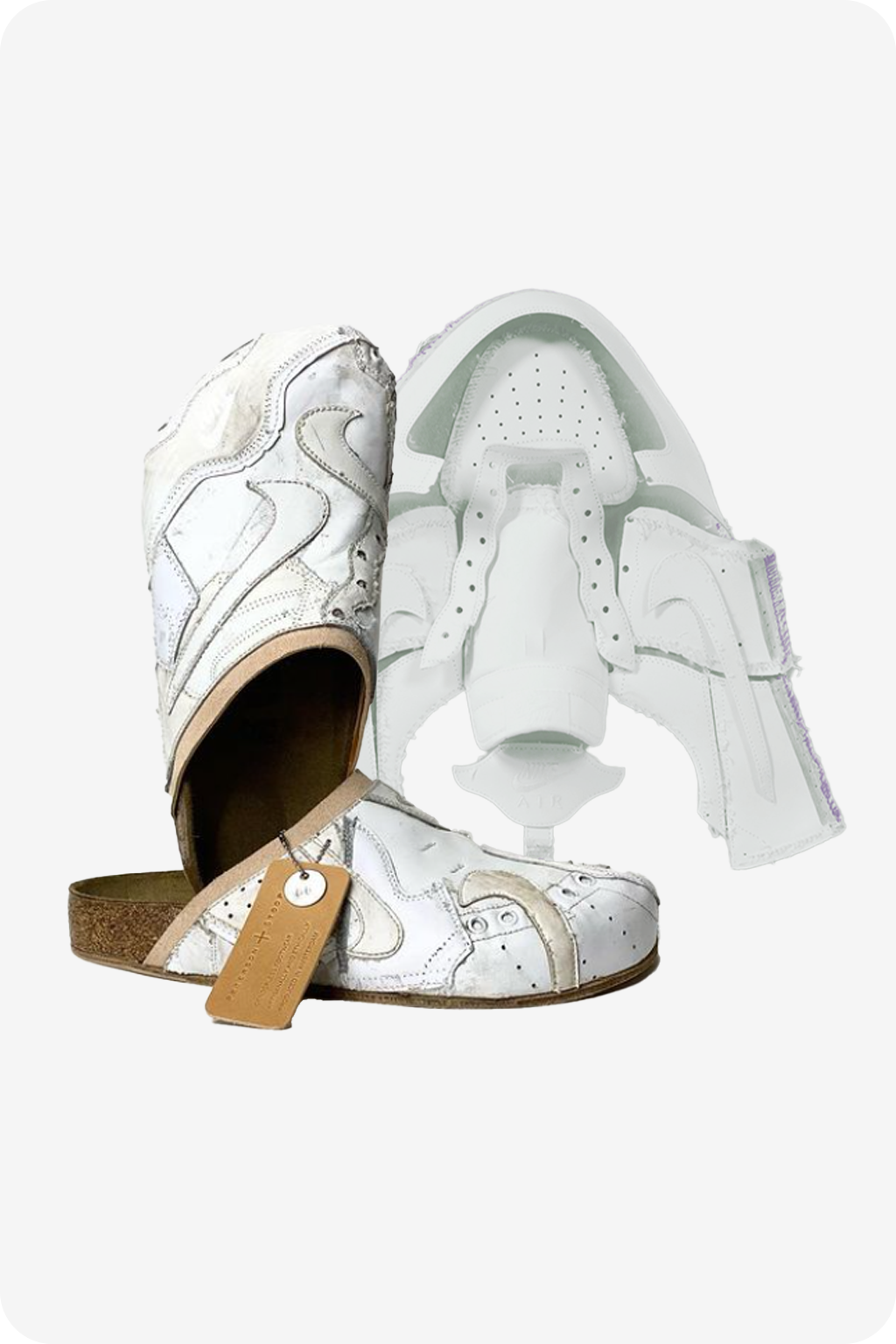
RE-MODEL SNEAKERS TO SLIDE
Embrace the “worn-out” aesthetic by giving an old style a second life.
Credit: @petersonstoop
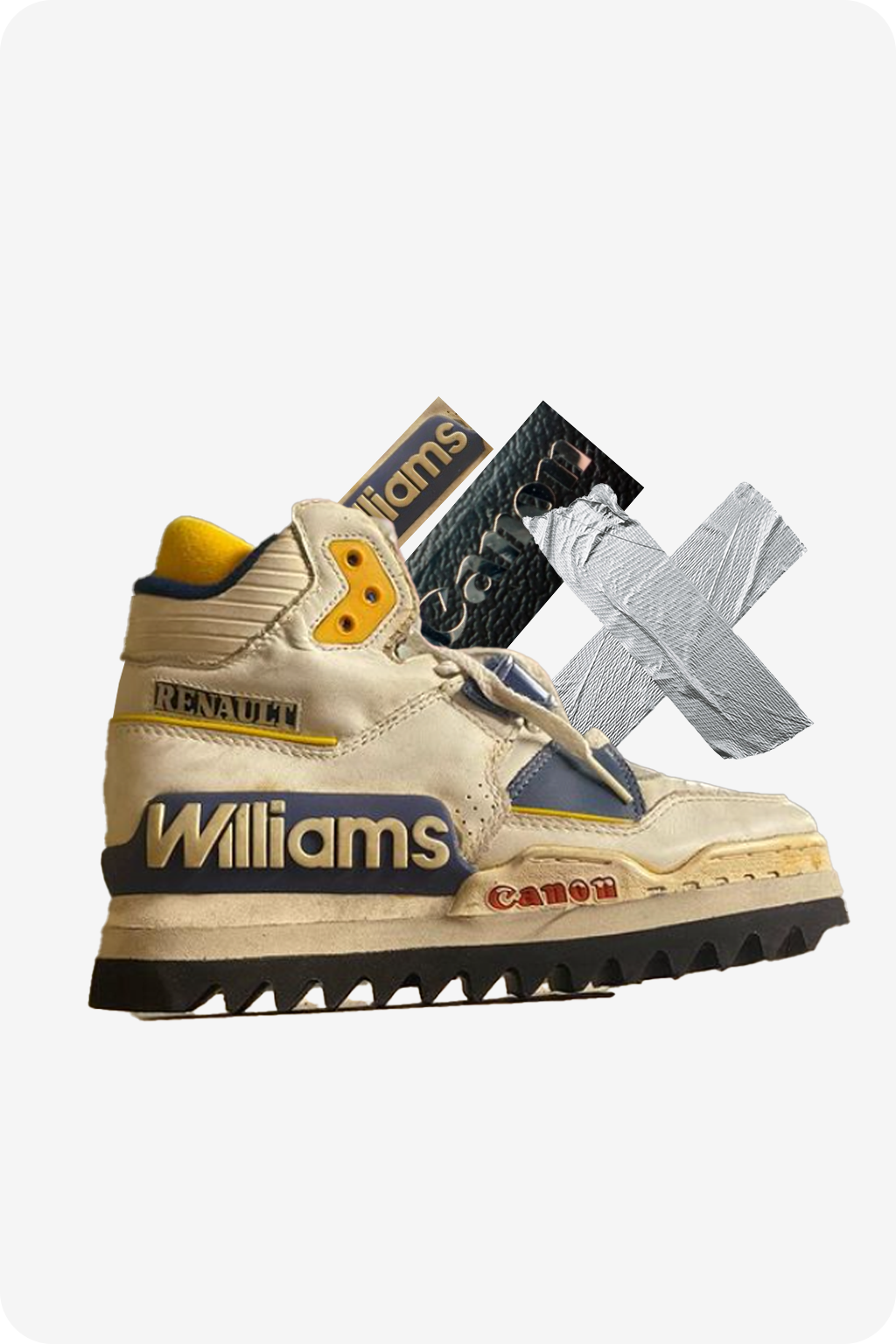
PATCHWORK FOR REPAIRS
Patch product waste into a creative new style.
Credit: @eastvillageshoerepairs
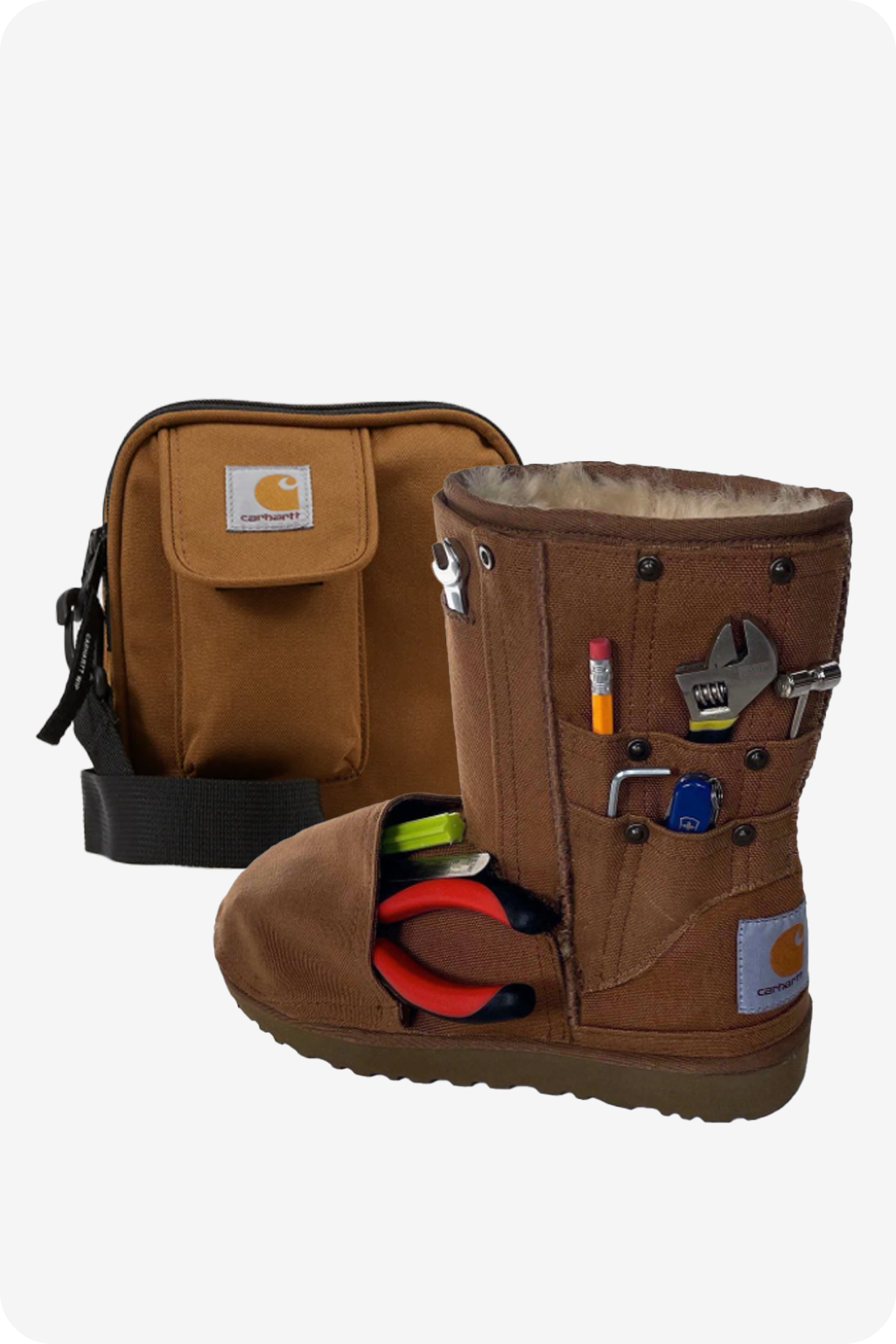
TURN BAGS INTO BOOTS
Get creative by combining sustainability and functionality.
Credit: @nicolemclaughin
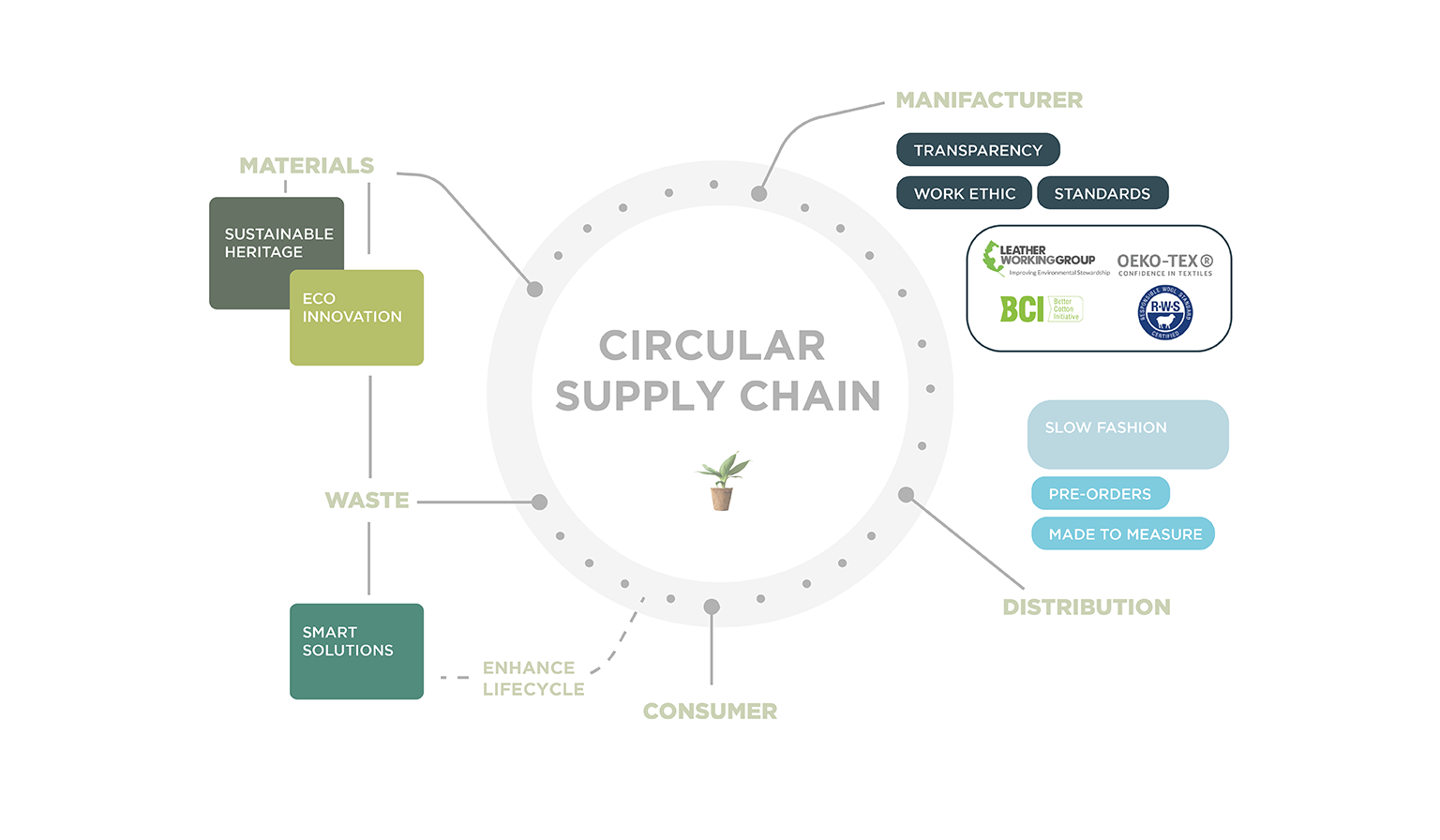
Searches for sustainable materials increased by +50% over the last year, as talk around environmental responsibility continues to grow. For such more aware and educated consumers it is important to access clear information about new material options and to overview the steps within the supply chain. The interconnectedness of sustainable solutions, strategies and circular approaches requires simple gestures and individual actions as the drivers to make a large-scale difference. Small steps are actually leading to concrete solution and bigger changes on the long run. The Livetrend team has researched and listed to the most innovative and accessible solutions in terms of sustainable materials for shoes and bags, which are some of the products that require the most performance and longevity due to their frequent use. Our Sustainability Radar should serve you as a small guide to help drive greener choices when designing the next collections with a long-term perspective that keeps the planet in mind.
11 May 2022