back to top

Denim Sustainability Radar

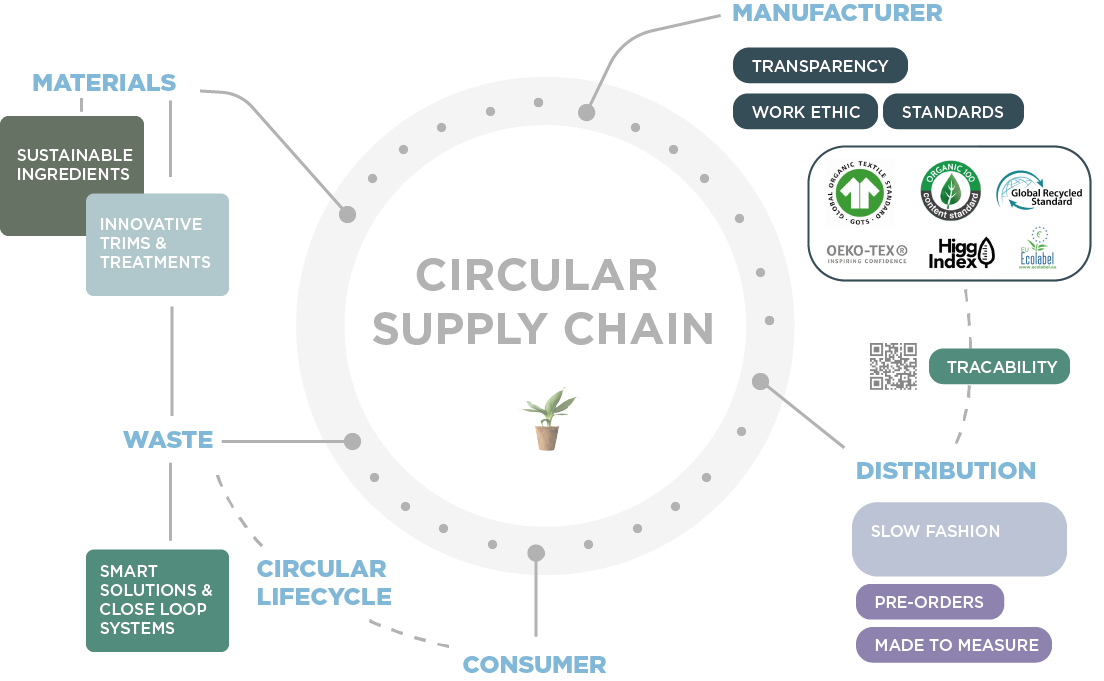
For years the denim sector has been pushing for innovation and commitment to reposition the industry‘s bad reputation regarding their sustainable practices. Accelerated by the UN‘s Sustainable Development goals, such as Responsible Consumption & Production, Industry Innovation & Infrastructure and Partnership for goals, the denim sector is reversing its ecological footprint. Circular solutions are demanding brands to chose responsible materials and to extend the lifecycle of their products.

With innovation underway for waste management, companies are increasingly turning their waste into a resource. They fuel cross-industry projects, turning by-products into labels, ribbons, isolation, tiles or even paper. 0-waste policies are being implemented on larger scales and demand for an easier and more efficient decomposition of post-consumer products as well: Biodegradable patches or screw-on buttons are proposing new alternatives for easier recycling of already finished garments.

While sustainable options rely on choices of better fibers, dyes and finishings, the implementation of technologies, such as AI and blockchain can further improve the industry. Tech innovation in factories can reduce waste and water consumption, while proposing more accurate results. And demands for more transparency implement  blockchains, luminescent pigments to retrace origins and product lifecycles.

The Goals

SAVE RESOURCES

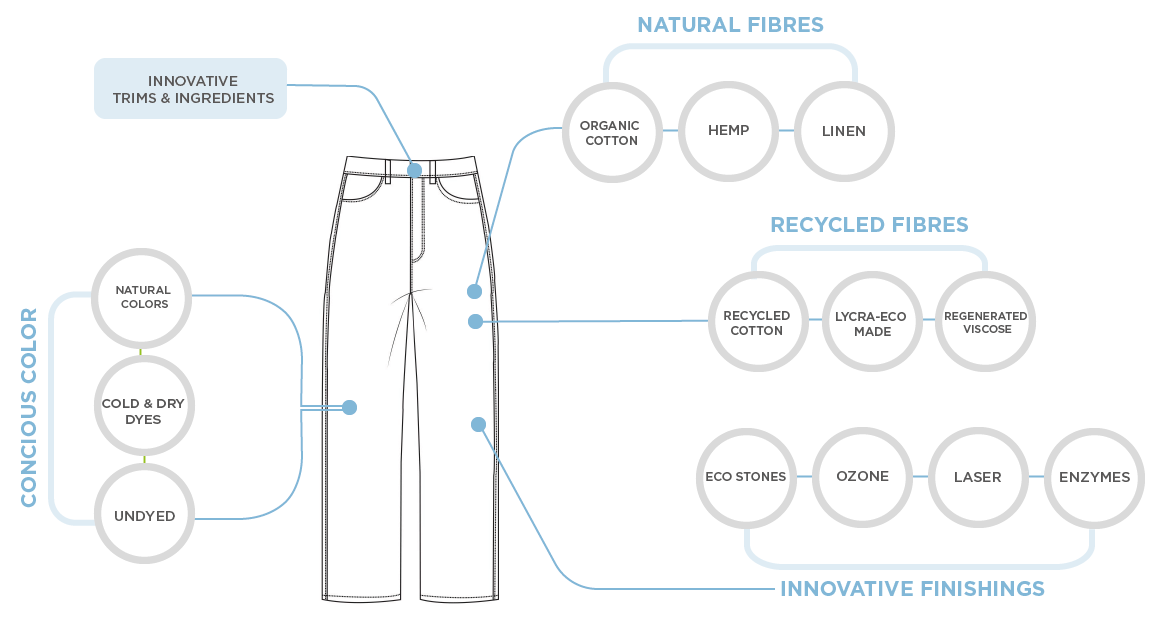
The average pair of jeans is high in water consumption, needed more Ethan 8.000 per pair (UN). Especially the coloring and finishing process are water-intense processes. New methods for more responsible water usage include dry dyes, ozone and laser finishings or enzymes.

LESS FOSSIL FUELS

A pair of their jeans emits around 33.4 kg (73 pounds) of CO2 due to the coal that is used as the main source for electricity in the factories. As energy is a scarce good these days, renewable energies or more efficient processes can be put in place.

PROTECT BIODIVERSITY

Approximately 70% of the rivers and lakes in Asia are damaged by wastewater from the textile industry (Webber). Pesticides and fertilizers from cotton production and harsh toxins for color and bleaching are contaminating sensitive ecosystems and reducing biodiversity. Non-toxic, regenerative alternatives are key here.

ETHICAL PRACTICES

Unacceptable health and safety conditions, next to exploitative working hours and wages are still a major issue for the denim industry. And child labor remains a concern. Ethical practices can be proven via QR codes or luminous threads and humanitarian projects should be supported.

Sustainability Map

Material Innovation

Sustainable Fibres

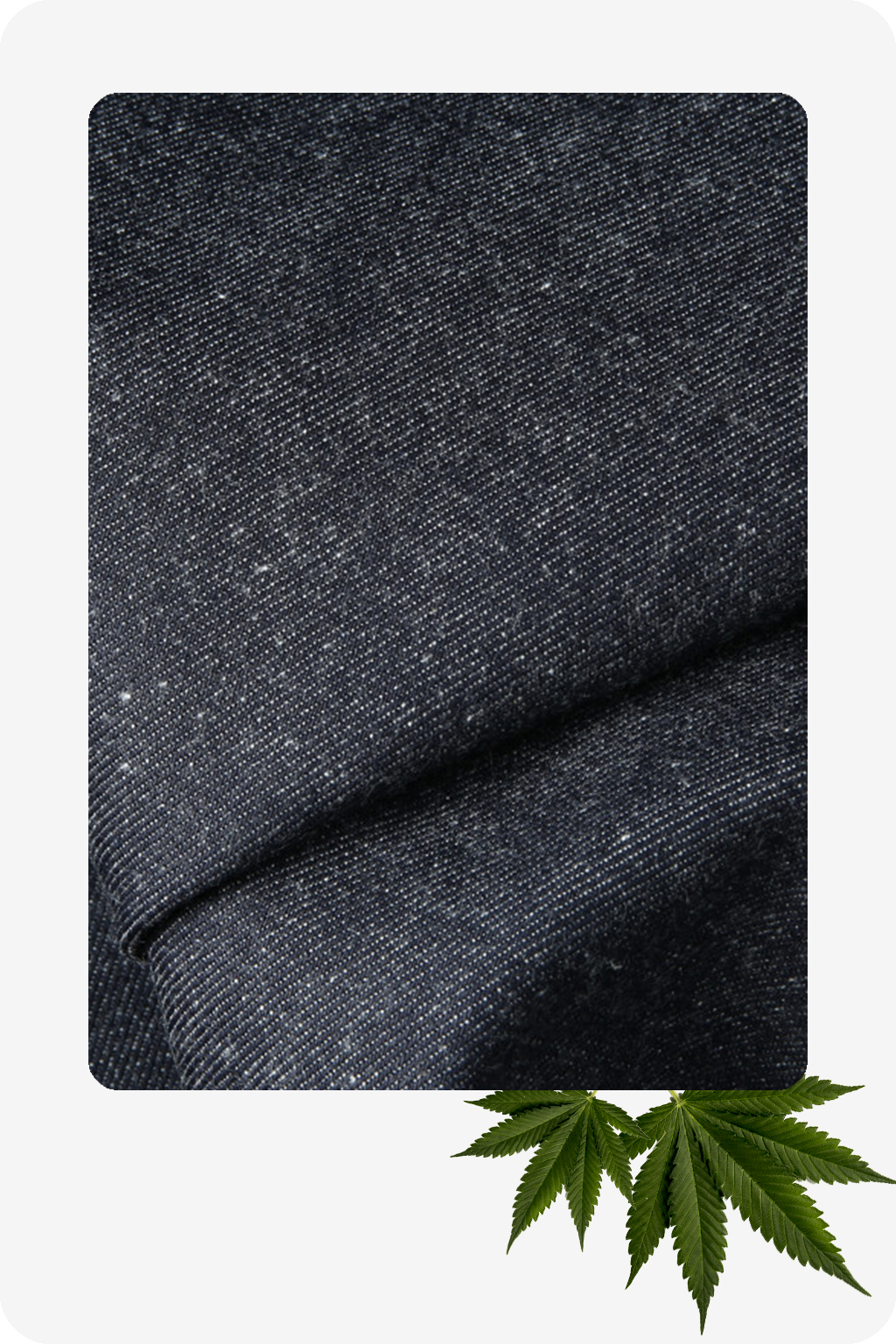
HEMP

Animal leather that biodegrades by 75% in 90 days. Its production requires less water and dye than the one of common leathers. 

Credit: SM Denim Mills

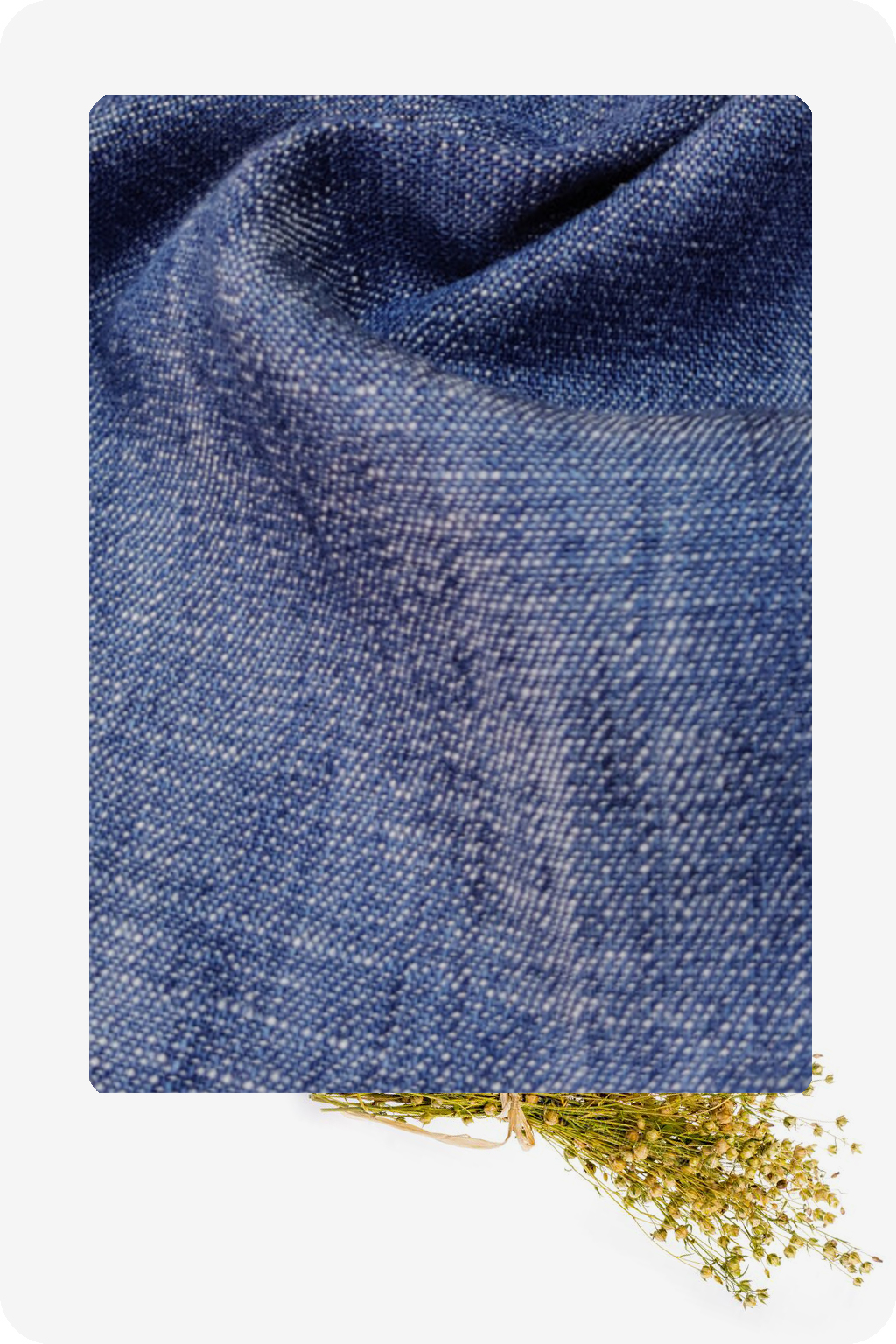
LINEN

Leather sourced from regenerative agriculture. Farmed lands get the chance to periodically rest, absorb carbon, retain water and restore biodiversity.

Credit: zhejiang matsu textile

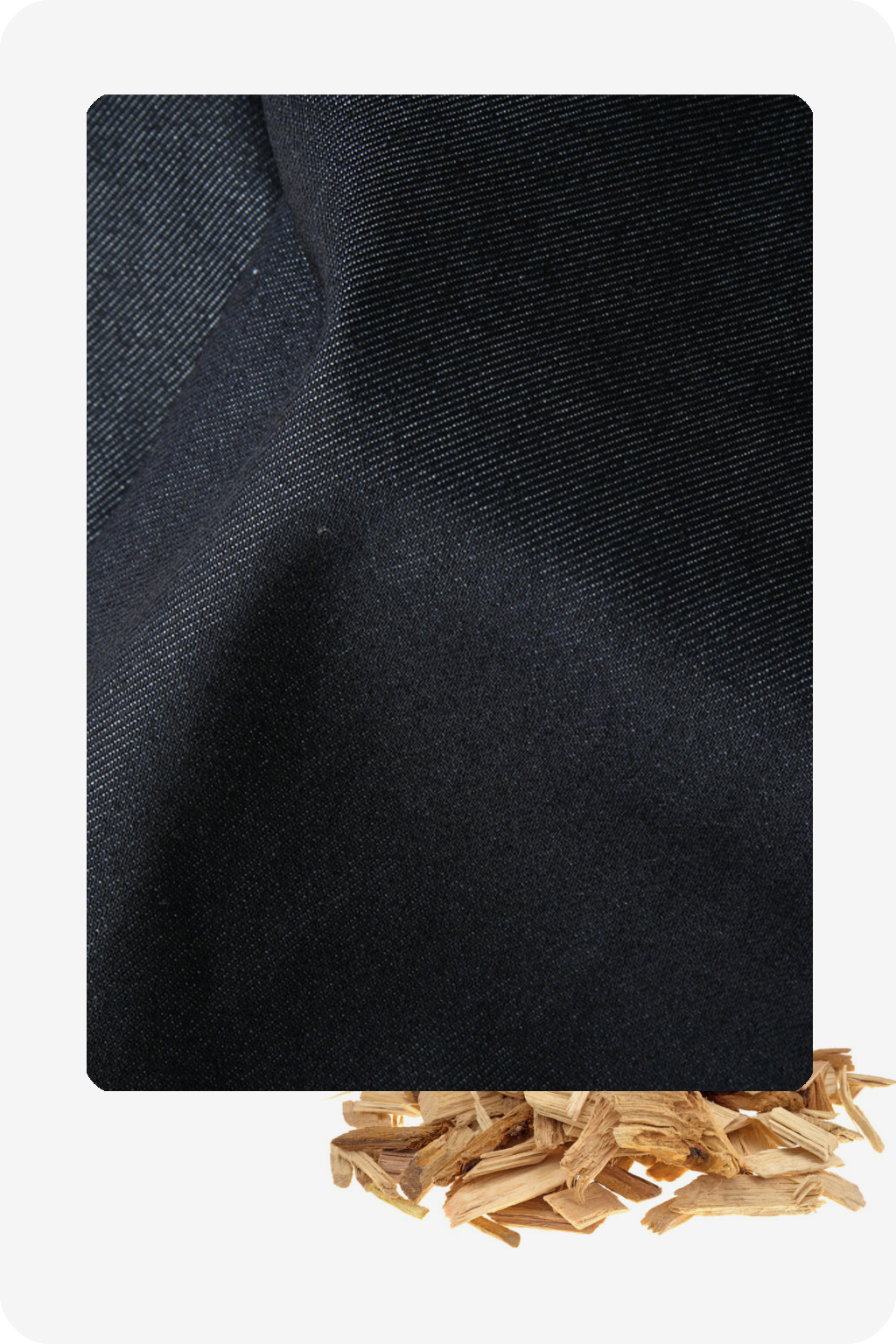
REGENERATED VISCOSE

Cellulosic fibers  for reduced-impact developments derive fibers from regenerated viscose thanks to the chemical recycling of cotton as an alternative to production from wood pulp.

Credit:Soorty

LYCRA ECO-MADE

Pre-consumer LYCRA® fiber waste is blended with virgin polymer at specific concentrations to create spandex (elastane) with the same performance as the original LYCRA fiber.

Credit: Maritas Denim

Concious Colors

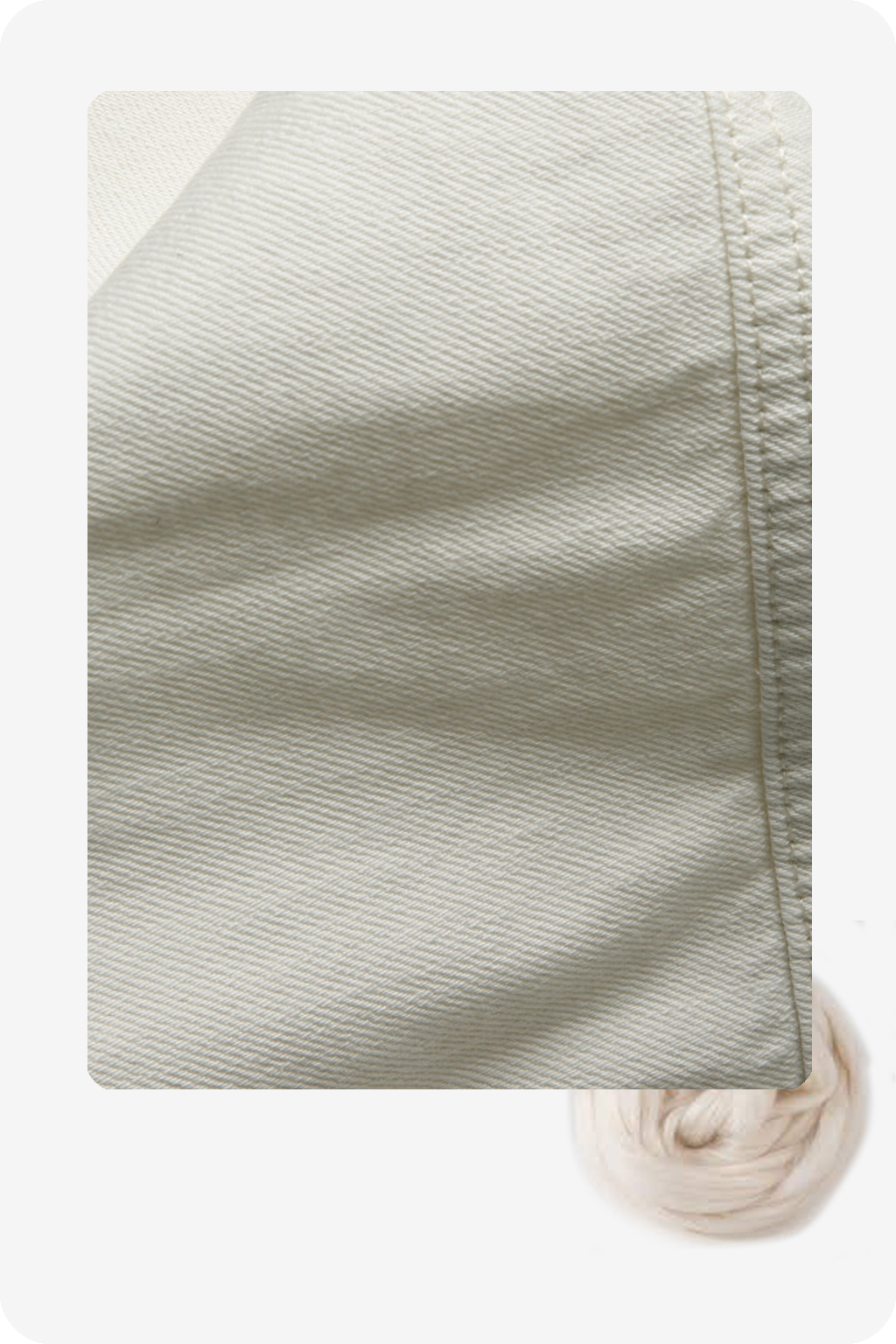
UNDYED COTTON

Undyed cotton come without the use of water, chemical products and energy in comparison to conventional colored options. Its purism is proposing a palette of eggshell, cream and slightly brown and grayish tints.

Credit: Siddiqsons

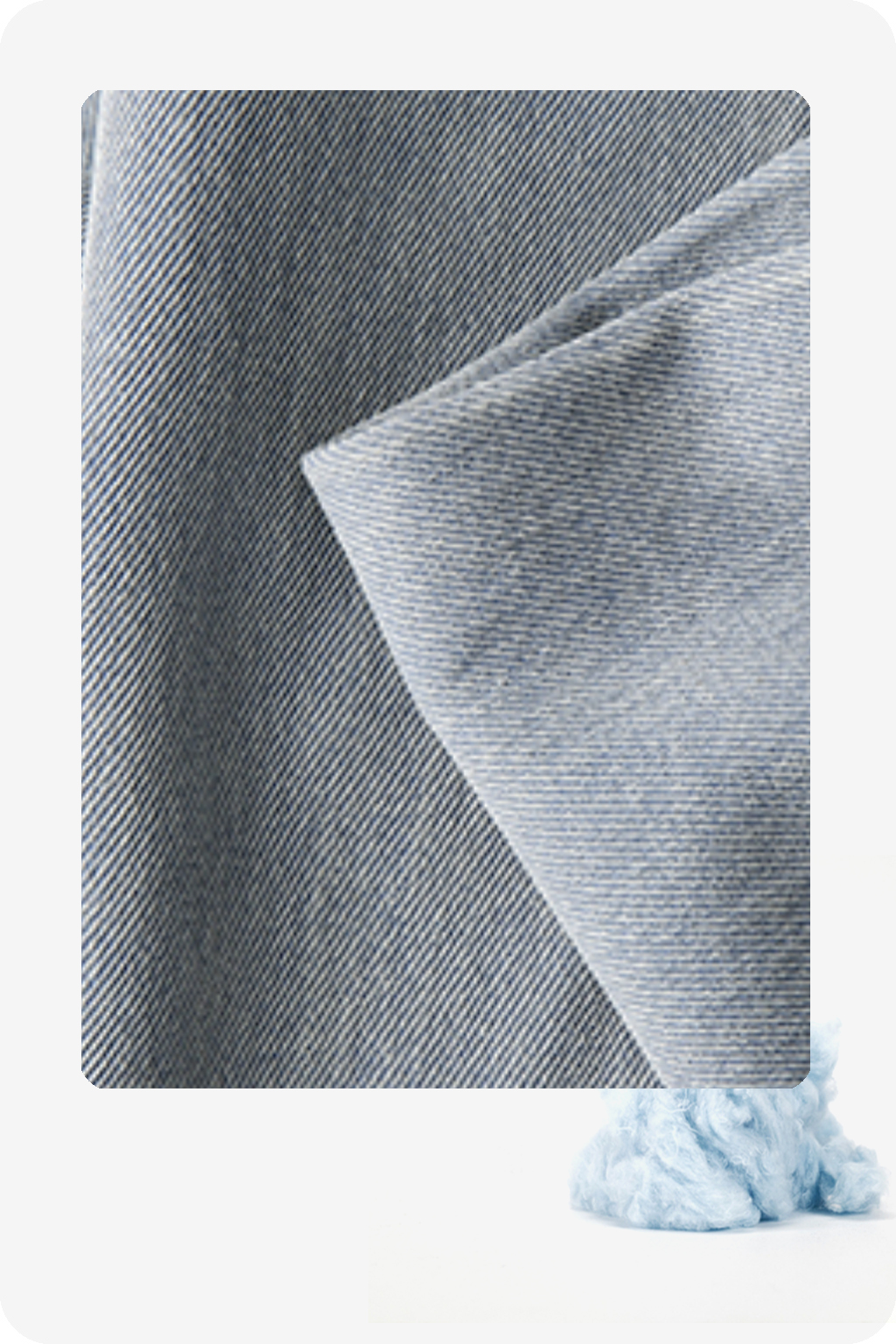
UNDYED RECYCLED COTTON

Recycled cotton-threads that are made from denim waste are not treated and retain their bluish hue. Consequently, the undyed version of the final fabric shows a delicate blue and grayish shade.

Credit: Maritas Denim

COLD DYES & DRY DYES

Cold and dry dyes are fixed chemically instead of with heat. They are lower in water and energy consumption and can opt for less-harmful pigments.

Credit: Square Denims LTD

NATURAL DYES

Ecological dyes are extracted from plant-based or mineral organic elements. Roots, herbs, fungus and food waste can create randomized and faded effects, in line with the natural aesthetic.

Credit: Dynamo

Eco-Finishes

ECO STONES

Eco-stones are a more ecological alternative to pumice stones from quarries. They are very strong and durable.

Credit: Bossa

RECYCLED WATER

Next to waterless treatments, close-loop water cycles are offering more sustainable options for specific textile treatment techniques.

Credit: Agi Denim

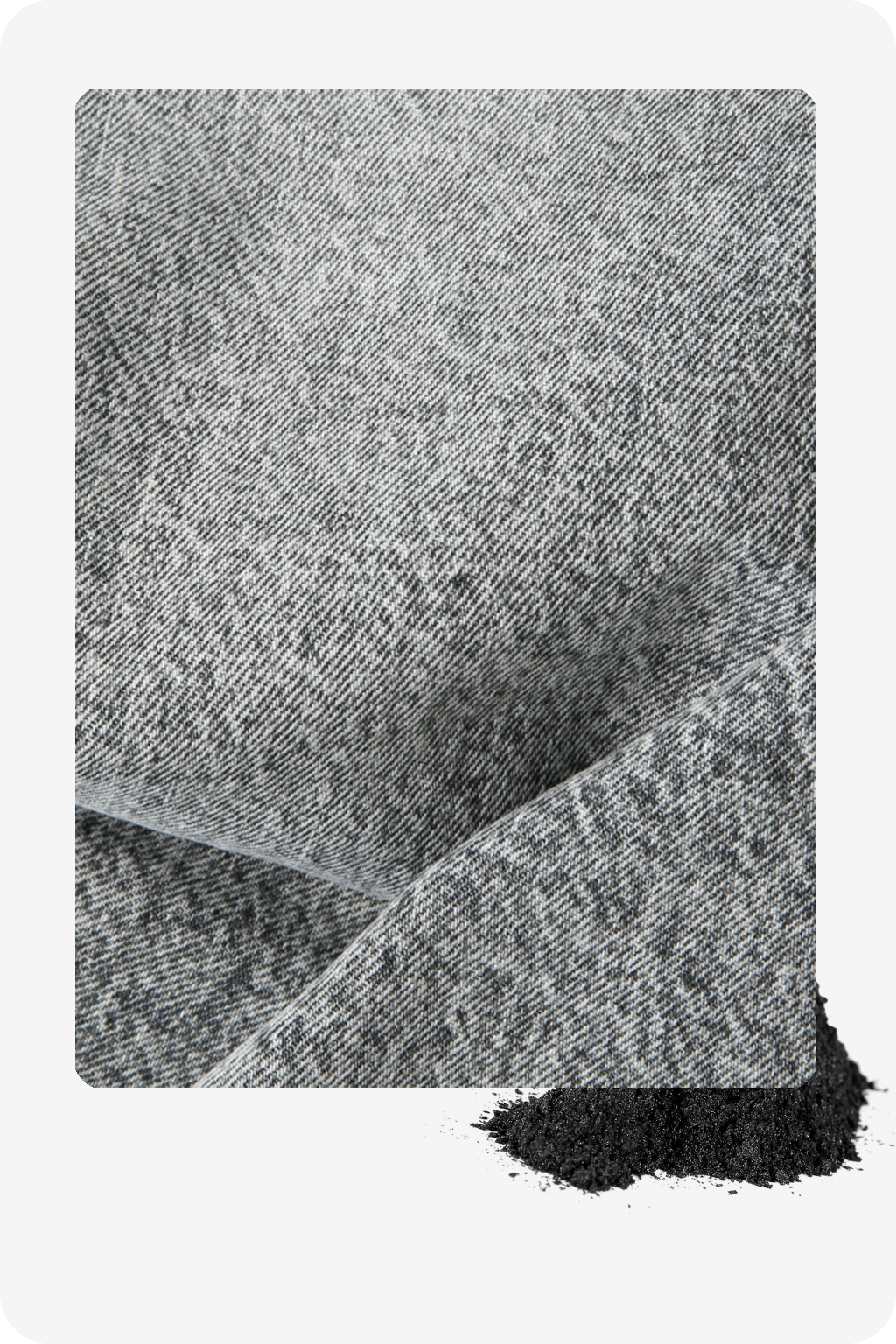
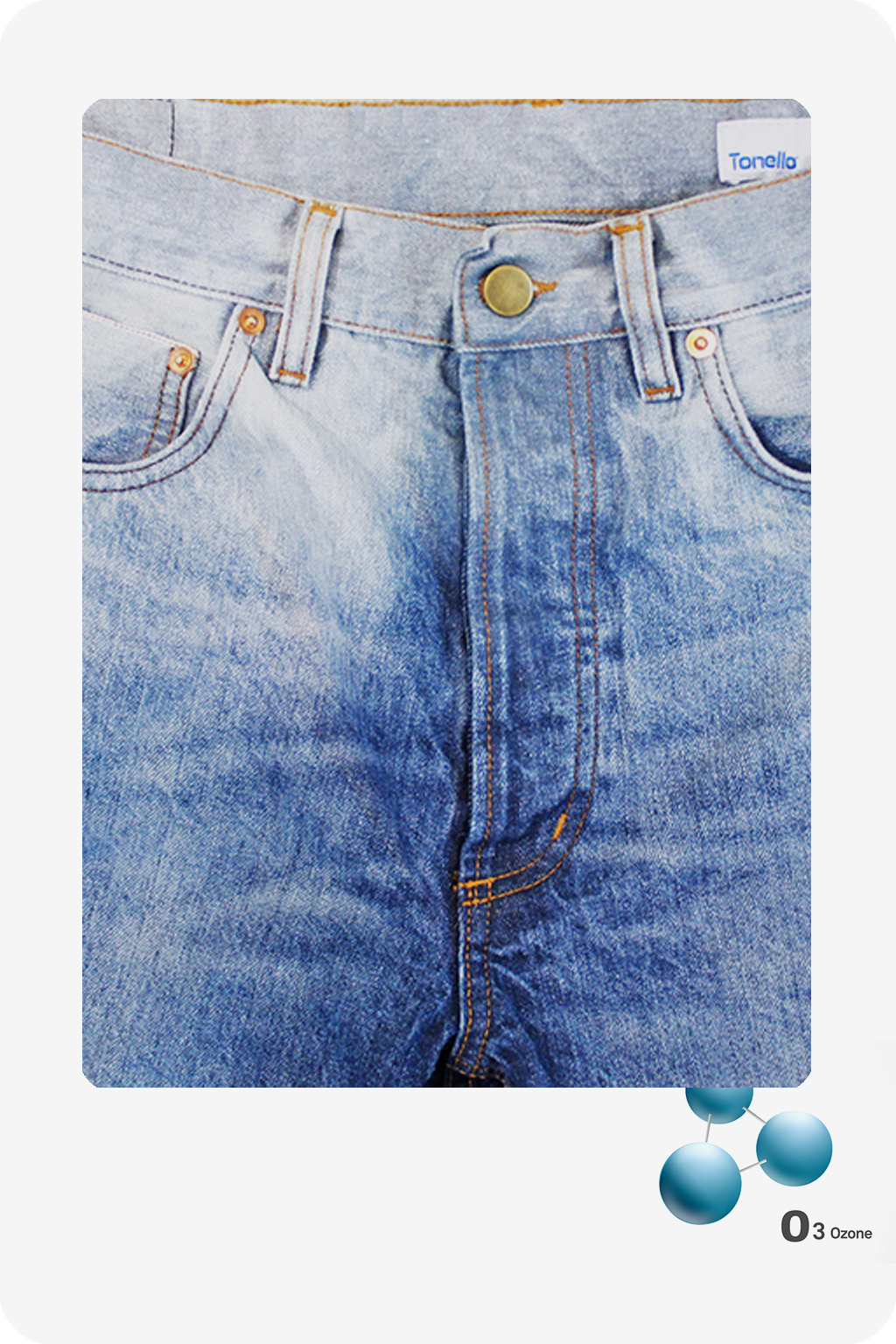
OZONE FINISH

An ozone finish combines organic enzymes with nitrogen powder to create precise bleached effects. It requires no chemical treatment and releases no noxious substances.

Credit: Tonello

LASER TREATMENT

Laser burns the color pigments of denim in a precise and subtle way. It comes without the chemical products and water consumption of traditional methods.

Credit: Raylase

Trims & Details

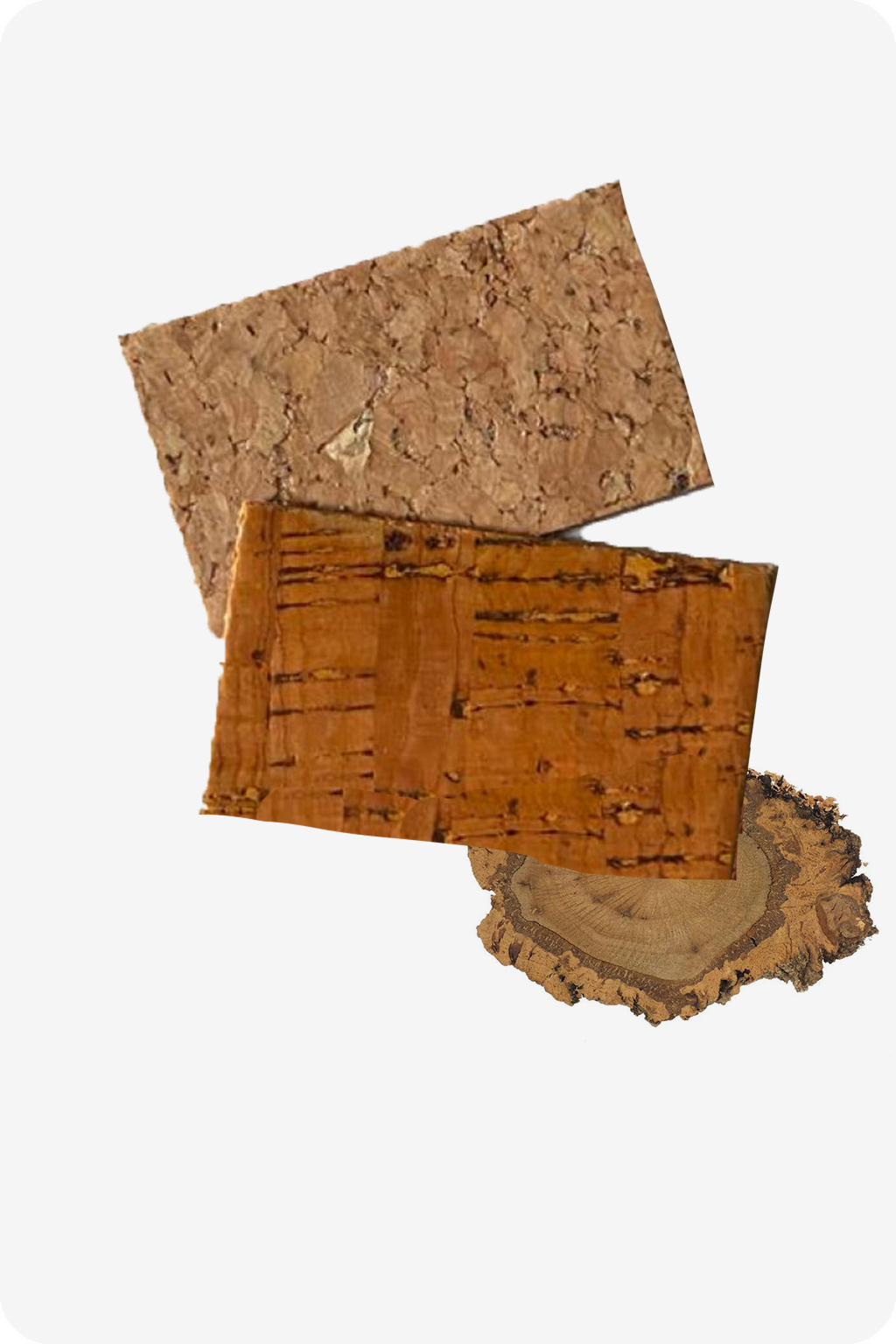
NATURAL PATCHES

Bio-based leather alternatives such as cork, apple leather, pineapple leather, grape leather or corn leather can be used for patches.

Credit: Kasim Leather Label

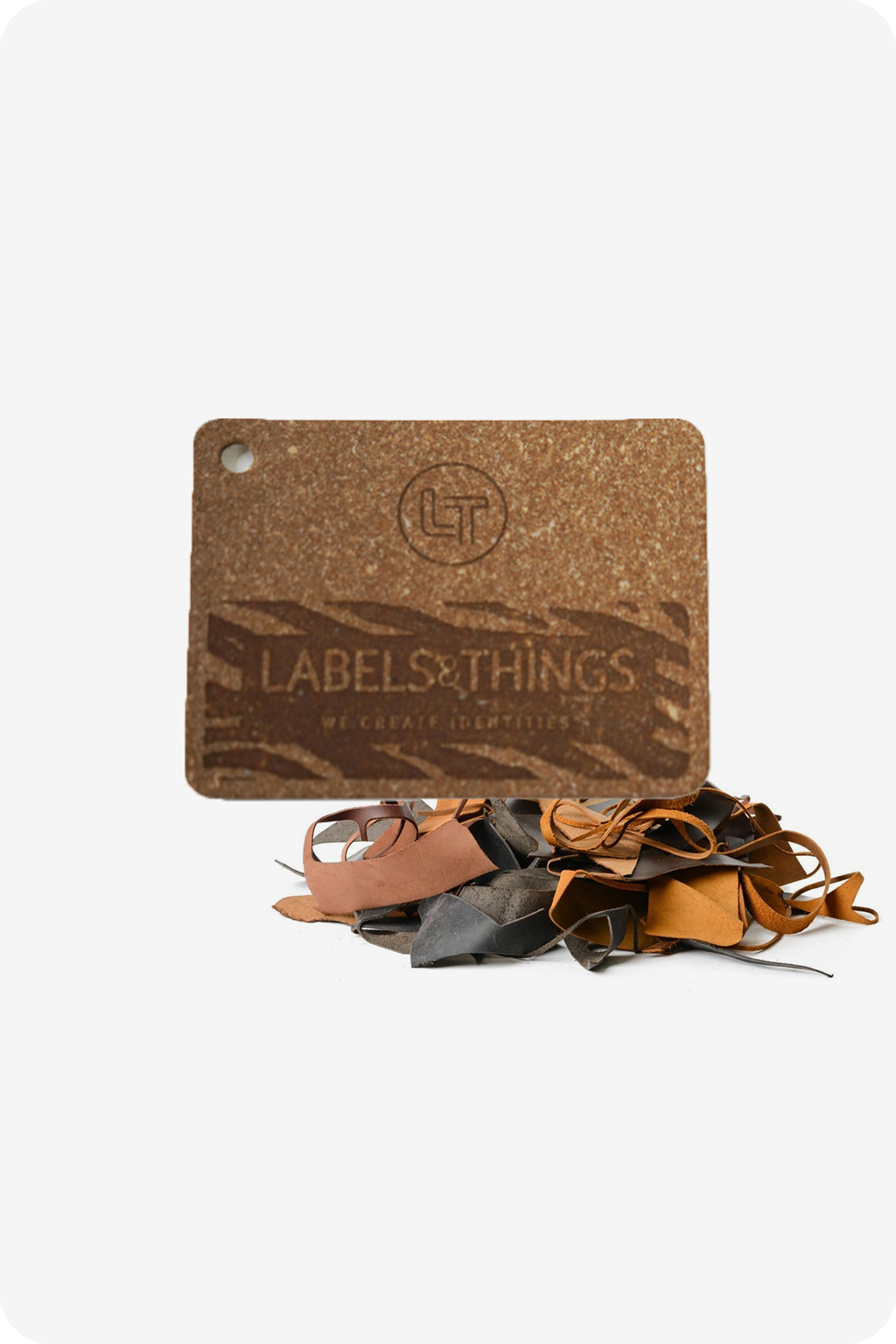
RECYCLED PATCHES

Blending recycled fibers and natural ingredients like natural latex wax and leather scraps into new materials to use for patches etc.

Credit: Leather & Things

RECYCLED BUTTONS

Close-loop labels and buttons from post-industrial waste can take fashionable forms and propose a sense of 0-waste policy.

Credit: Cadica Group

SCREWABLE BUTTONS

New fastenings are designed to be removed and recycled to facilitate the second lifecycle of post-consumer garments.

Credit: YKK

Smart Solutions

Creative Afterlife

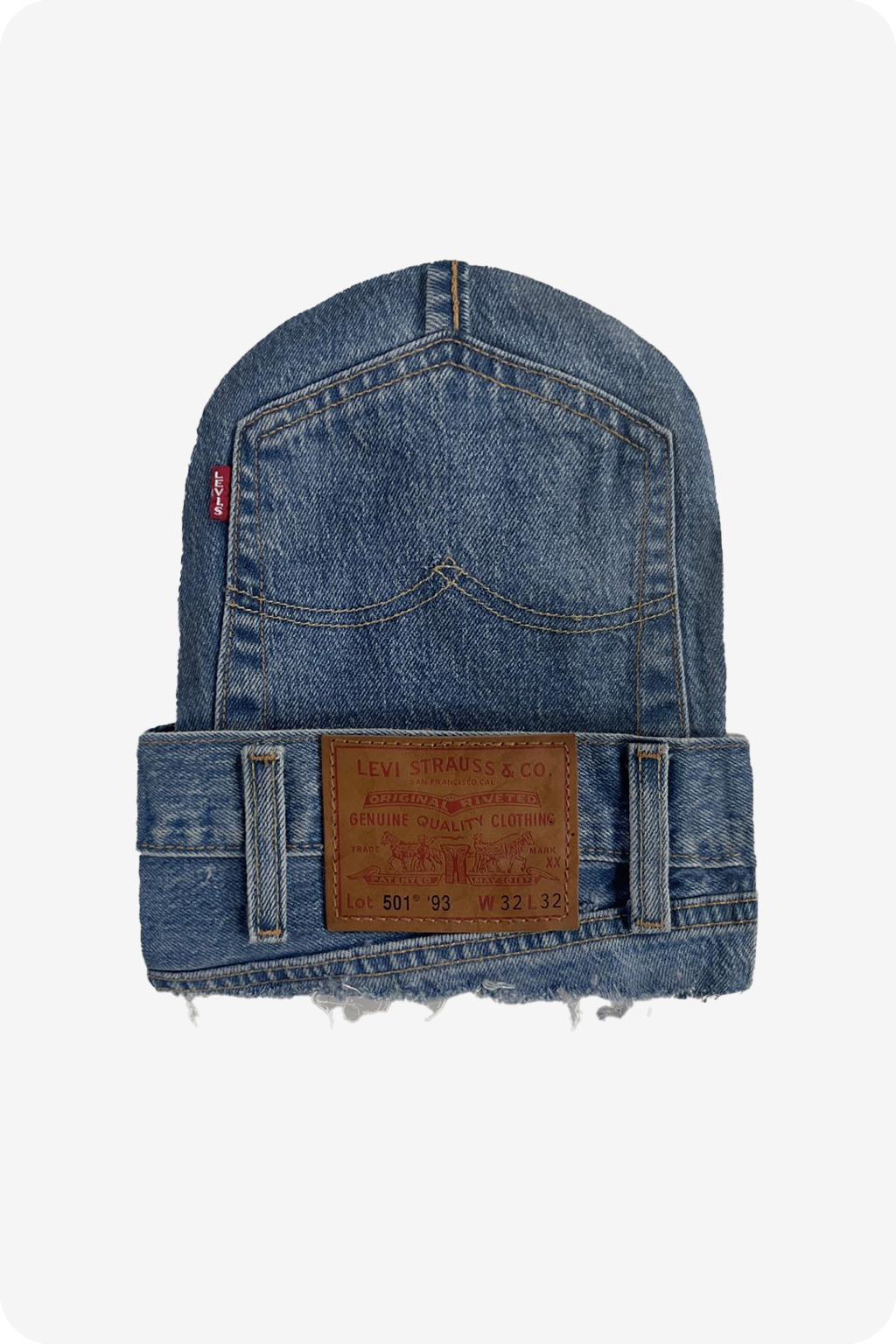
EXPERIMENTAL PATCHWORK

Turn worn denim into new products with patchwork constructions.

Credit: @alicemclaughlin

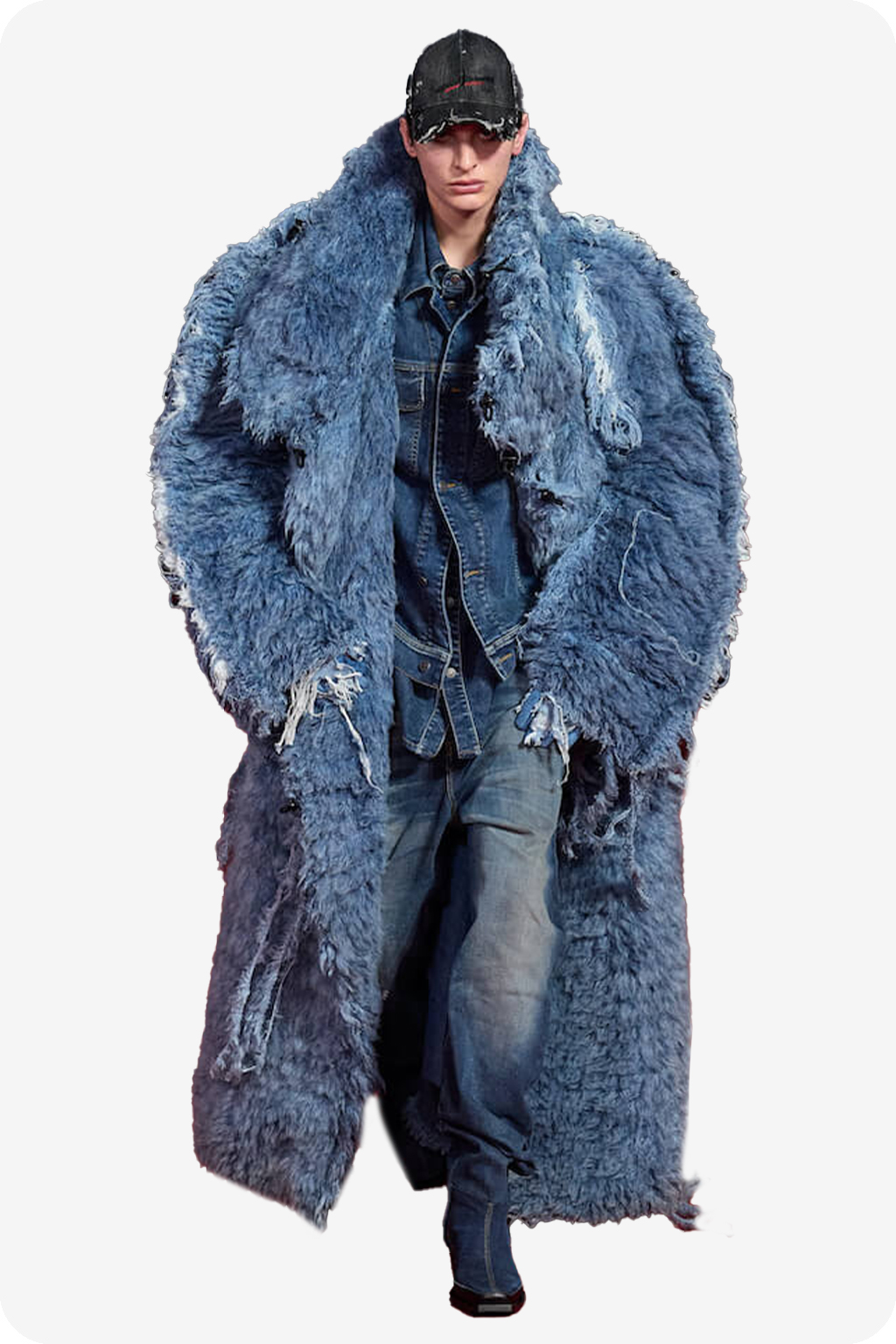
UPCYCLED MATERIAL

Rethink old denim with a focus on materiality and fabric manipulation.

Credit: Diesel

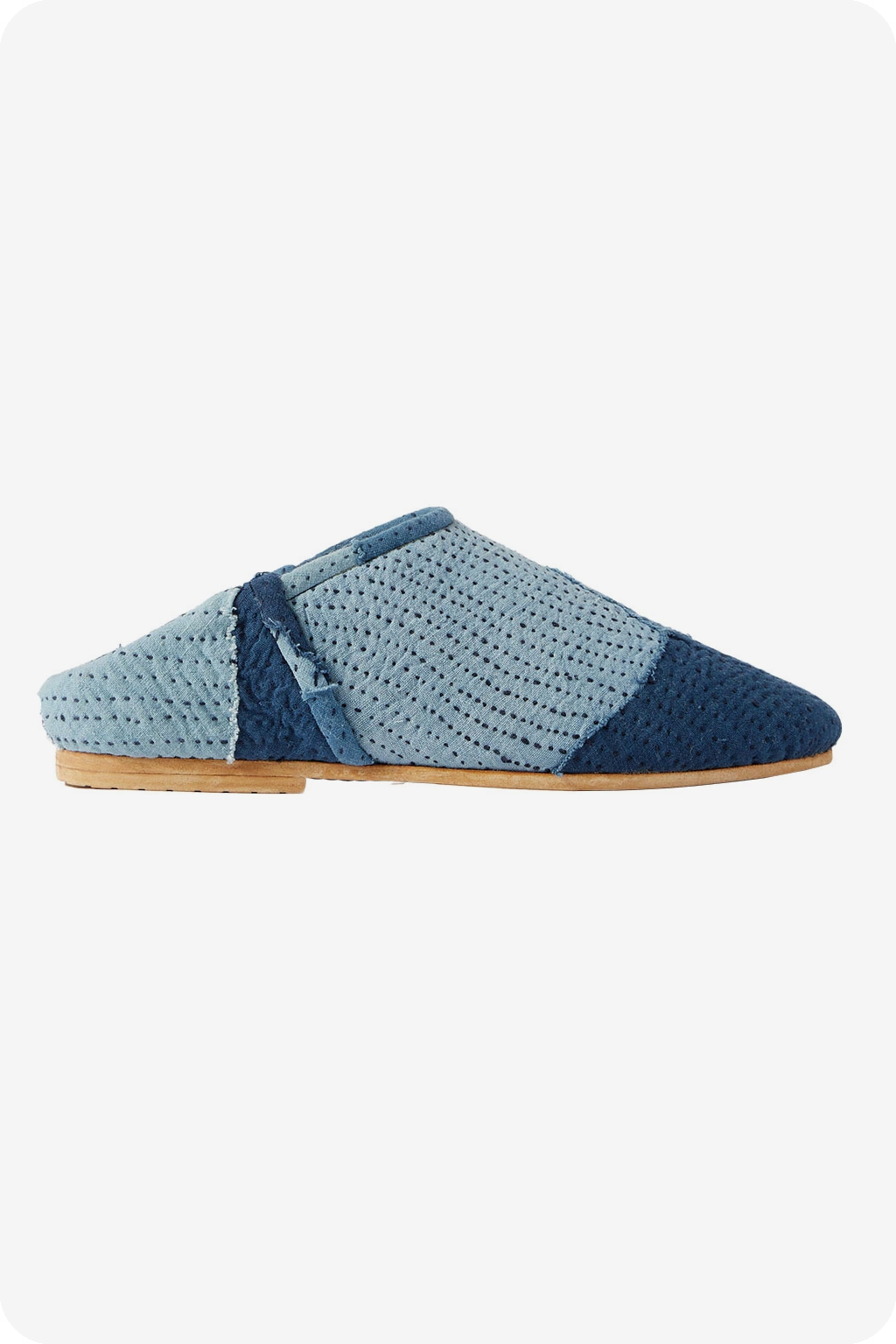
TRADITIONAL MENDING

Look towards old mending traditions, like Japanese quilting etc.

Credit: Eleven Eleven

INNOVATIVE CUT-AWAYS

Get creative with cut-outs to re-invent denim pieces into new products.

Credit: @gabbois

Sustainable Strategies

No impact for more impact!

Search rates for sustainable denim have increased by +190% over the last year, while denim repair grew by +90% over the past year. Consumer’s ecological concerns and environmentally-conscious values are visibly becoming an integral part to drive circularity within the denim sector. From new low impact finishes and dyes to alternative fibers the traditional material is exploring the most successful and versatile options in 2022. Special focus is put on natural dyes and laser treatments for creative, one-of a kind designs, while close loop product lifecycles enhance creativity when looking at recycling and repurposing of materials. Denim is moving into the spotlight again, celebrating its versatile and timeless character. But to adapt new iconic denim styles to the zeitgeist, sustainability should be an integral part of any decision. If you need deeper insights or more information, please reach out in the chat!

Category:
Date:
24 May 2022
Tag:
#archive
Date:
Tags:
#archive